Understand any stock in simple English
Enter a ticker to learn what the company does and how it makes money.
Commercial Vehicle Group, Inc.
Commercial Vehicle Group makes the seats, dashboards, wiring, and trim that go into commercial trucks, buses, and electric vehicles.
Commercial Vehicle Group is the kind of company you never notice until you sit in the driver's seat. It builds the parts that make a truck cab a place to work: seats, dashboard and interior systems, electrical wiring harnesses, and plastic trim. Its customers are the companies that assemble big trucks, buses, and increasingly electric vehicles, along with the aftermarket businesses that supply replacement parts. When you climb into a heavy-duty truck, there's a decent chance much of what you touch came from this company.
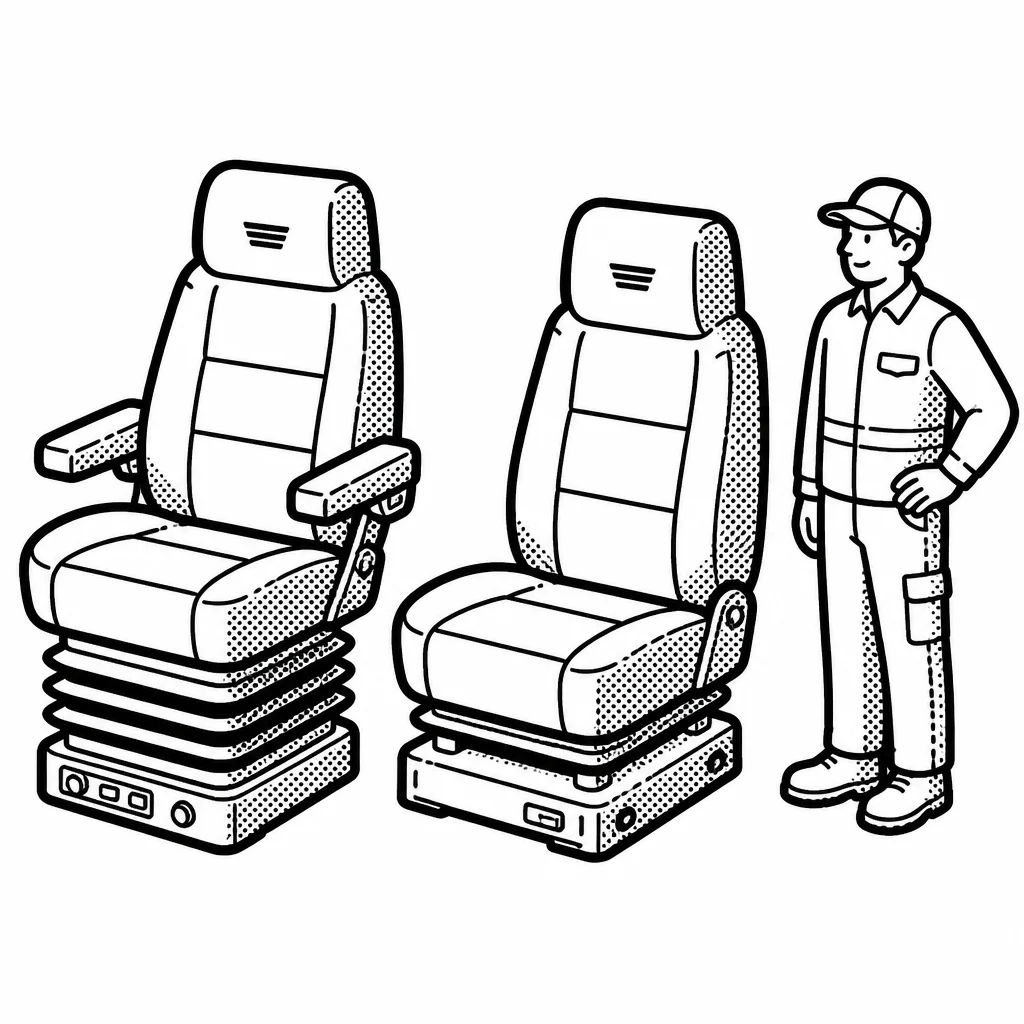
The business splits into two broad pieces. Vehicle Solutions covers the physical stuff — seating, cab interiors, and plastic components. Electrical Systems makes the wiring harnesses and electronic assemblies that carry power and signals through a vehicle. Both are classic supplier businesses: CVG doesn't sell to truck drivers directly, it sells to the manufacturers, who award contracts that can run for years. Those long contracts give it stable revenue, but they also mean customers hold most of the leverage on price. The company is based in New Albany, Ohio, and its fortunes rise and fall with heavy truck production. When freight demand is strong and fleets are buying new trucks, CVG does well. When truck orders dry up, its revenue drops fast, because it has little control over demand for the vehicles its parts go into. It also faces competition from bigger and lower-cost suppliers, and it depends heavily on a handful of large customers, so losing one contract stings. The electric vehicle shift is both an opportunity and a risk: new electric trucks and buses need different seats, wiring, and interiors, which could open new doors, but the transition could also reshuffle who wins the contracts.
For years the company has worked to diversify beyond classic truck cabs, pushing into electric vehicles and other markets while keeping costs tight. It has also spent money buying smaller businesses to add capabilities, and it has bought back some of its own shares. The tricky part for investors is that this is a cyclical, low-margin supplier business — it makes money when the truck market is healthy and struggles when it isn't. The real question is whether CVG can win enough new electric-vehicle business to smooth out those old truck-market swings.
Saved answer · last researched 14 Nov 2026