Understand any stock in simple English
Enter a ticker to learn what the company does and how it makes money.
Cytosorbents Corporation
Cytosorbents makes a blood-filtering cartridge that removes harmful substances from the blood of critically ill patients.
Cytosorbents sells a medical device that cleans blood. Its main product, CytoSorb, is a small cartridge that plugs into a hospital's heart-lung machine or dialysis circuit. As blood flows through it, the cartridge acts like a sponge, soaking up inflammatory molecules and toxins that can build up when someone is fighting a severe infection, recovering from major heart surgery, or in other critical conditions. Hospitals buy the cartridges for use in intensive care units and operating rooms, mostly in Europe and other markets outside the United States.
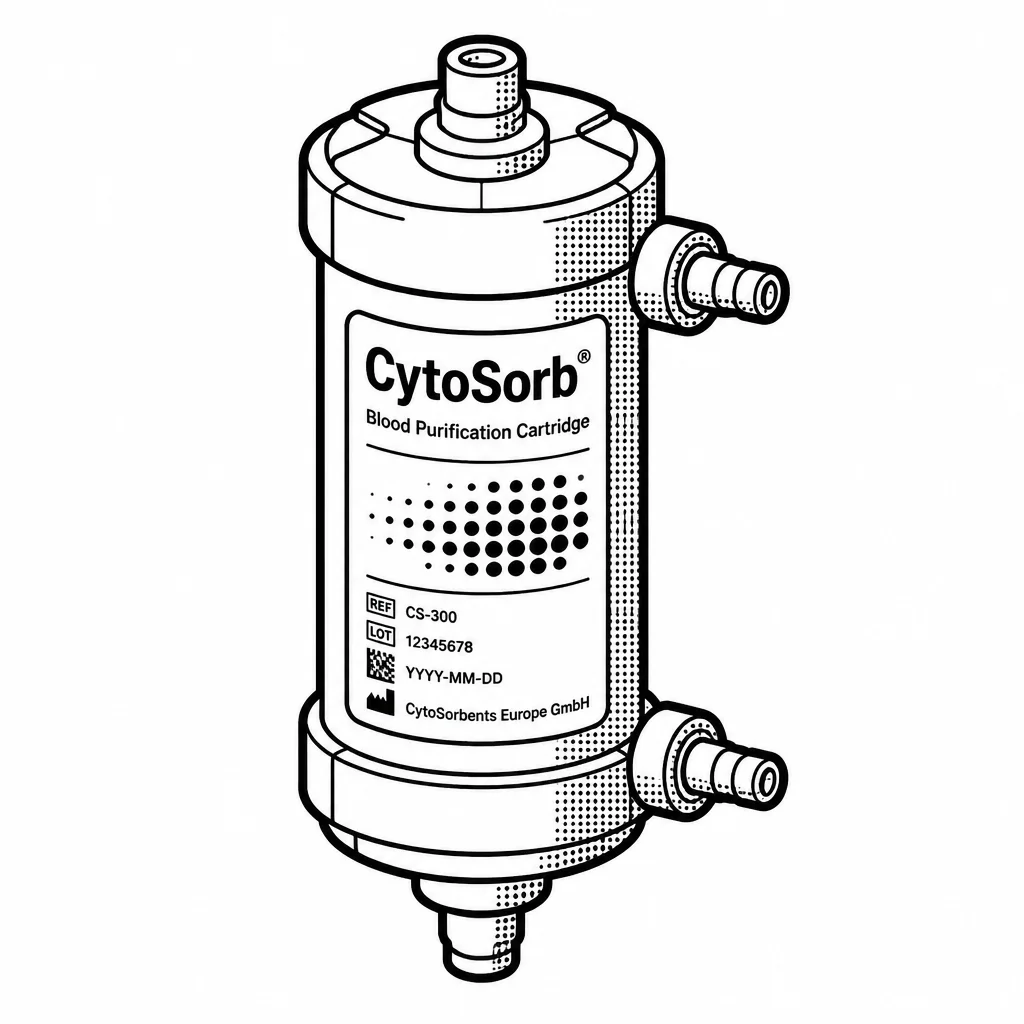
The basic problem it addresses is that when the body overreacts to a severe illness, its own immune response can cause damage. Doctors call this a "cytokine storm" — a flood of inflammatory signals that harms organs. CytoSorb is designed to pull some of those signals out of the blood, calming the storm. Whether it reliably saves lives is still being tested; it is cleared for sale in Europe but not yet approved for broad use in the U.S., where it has been used mainly in cardiac surgery under a limited pathway. The company is small and has never turned a steady profit. It spends heavily on clinical trials to win U.S. approval, which is the big prize. If those trials succeed, it could open the enormous American hospital market. If they fail, the company stays a niche player selling mostly overseas. That regulatory bet is the single biggest thing to understand about Cytosorbents.
Headquartered in Princeton, New Jersey, the company is a classic high-risk medical device story: a clever idea with real scientific backing, but a long, expensive road to prove it works well enough for the world's biggest health regulator. Investors are essentially betting on that approval.
Saved answer · last researched 16 Nov 2026