Understand any stock in simple English
Enter a ticker to learn what the company does and how it makes money.
Cerence Inc.
Cerence makes the AI voice assistants that let drivers talk to their cars.
Cerence is the company behind the voice in your car. When you press a button and say "navigate home" or "call mom," there is a good chance the software understanding you and answering back was built by Cerence. The company sells this voice assistant software to automakers, who bake it into their vehicles so drivers can control navigation, music, phone calls, and climate settings without taking their hands off the wheel.
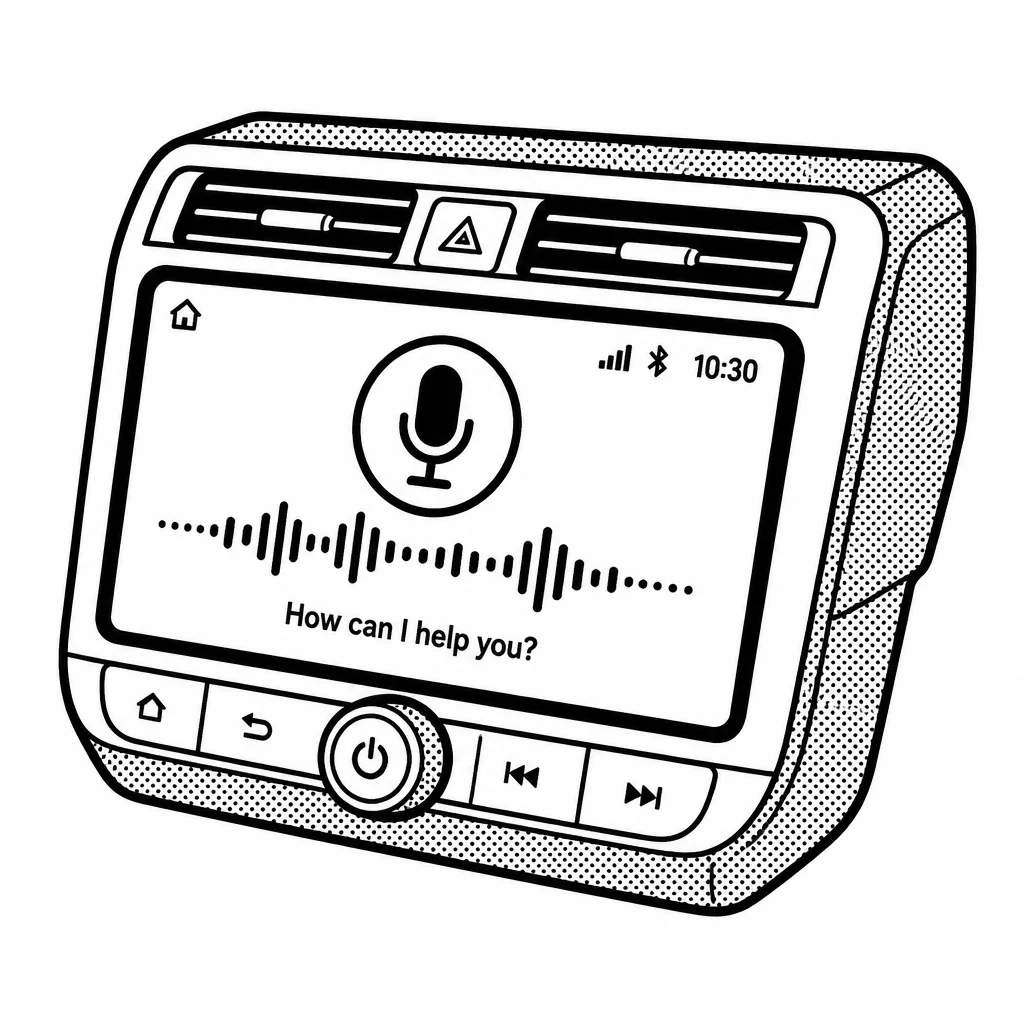
The business works like a licensing shop. Car companies pay Cerence to use its software in each vehicle they build, and they also pay for ongoing support and updates. Cerence spends heavily on research and development because understanding human speech is hard, especially in a noisy car with the radio on and the windows down. Its edge comes from years of training its models on automotive-specific data and from deep relationships with major automakers who have built Cerence's technology into their dashboards for years. Cerence has a problem that many software companies would envy and fear at the same time: it depends on a small number of very large customers in a cyclical industry. When automakers sell fewer cars, Cerence feels it. The company has also faced pressure from competition, as some automakers build their own voice systems in-house and as big tech players like Apple, Google, and Amazon push their own assistants into vehicles. Cerence's response has been to push into new areas beyond the initial voice command, including AI-powered features that can predict what a driver needs and conversational interfaces that feel less like barking orders and more like talking to a helpful passenger.
Cerence was spun out of Nuance Communications in 2019, and it went public as its own company on the NASDAQ. Nuance itself was later acquired by Microsoft, which left Cerence as an independent pure-play in automotive voice AI. The company has made acquisitions to broaden its reach, including buying a lidar software firm and a company focused on connected car services. Like many small-cap tech companies, Cerence has had a bumpy ride as a public company, with its stock swinging sharply on news about auto production rates, customer wins, and the pace of its transition to newer cloud-based products. It is a bet on a simple idea: that talking to your car will keep getting more useful, and that automakers will keep paying for the software that makes it work.
Saved answer · last researched 16 Nov 2026