Understand any stock in simple English
Enter a ticker to learn what the company does and how it makes money.
Carel Industries S.p.A.
Carel makes the control systems and humidification equipment that keep heating, cooling, and refrigeration systems running efficiently.
Carel is the company behind the invisible brains of air conditioning and refrigeration. When you walk into a supermarket and the freezer aisles are cold, or you sit in an office with comfortable air, there's a decent chance a Carel controller is quietly managing the temperature and humidity somewhere in the building. The company designs and manufactures the electronics, sensors, and humidification systems that let HVAC and refrigeration equipment do their job without wasting energy.
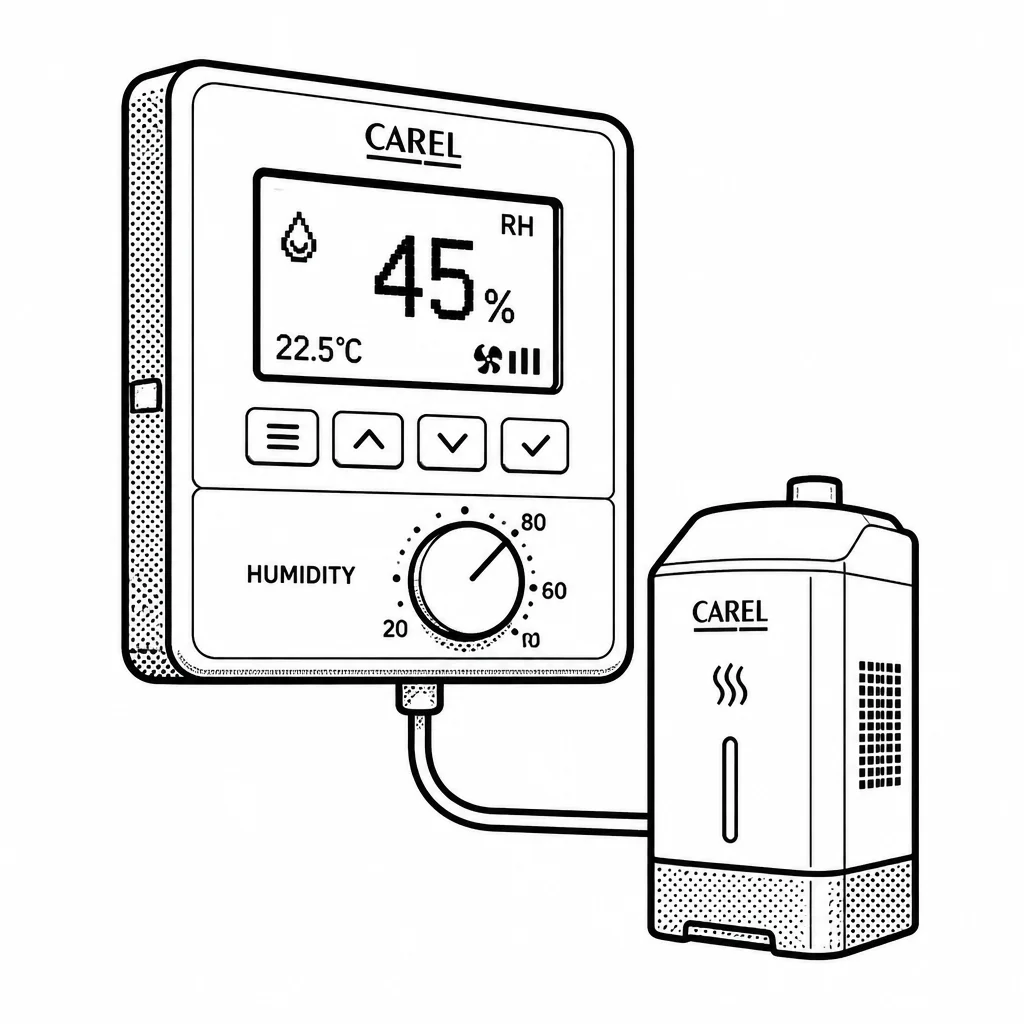
Its customers are the companies that build air conditioners, heat pumps, refrigerators, and industrial cooling systems — not you or me directly. Carel sells them the controllers, the sensors, and the software that ties everything together, plus humidifiers for places that need precise moisture levels, like hospitals, data centers, and food storage. Customers choose Carel because its gear is efficient, reliable, and increasingly connected, letting them offer smart, energy-saving machines that meet tightening environmental rules. The company is headquartered in Brugine, Italy, but sells across Europe, North America, and Asia. The business has a strong recurring flavor. Carel doesn't just sell a box and disappear — it also earns money from after-sales service, spare parts, and software that monitors and optimizes systems over time. That makes revenue stickier than a pure hardware business. Its main competitors are other controls specialists like Johnson Controls and Schneider Electric, though Carel is smaller and more focused on the niche of HVAC and refrigeration controls rather than whole-building systems.
One thing worth knowing: Carel has been pushing hard into the "internet of things" for cooling. Its cloud platform lets customers watch hundreds of refrigeration units remotely, catch failures before they happen, and cut energy bills. That's a real selling point as supermarkets and factories face pressure to reduce waste. The company also grows partly by buying smaller firms to add technology or reach new markets, which is a common path for a focused industrial player like this.
Saved answer · last researched 12 Nov 2026