Understand any stock in simple English
Enter a ticker to learn what the company does and how it makes money.
Corbion N.V.
Corbion makes ingredient chemicals like lactic acid, emulsifiers, enzymes, and algae-based products for food, pharmaceuticals, personal care, and bioplastics.
Corbion is a Dutch ingredient company that sells the invisible chemistry inside everyday products. Its best-known business is lactic acid, a natural acid it makes by fermenting sugar. Food makers use it to keep products fresh and safe, and plastics makers use it to build biodegradable plastics. Corbion is one of the world's largest lactic acid producers, which gives it a strong position in a niche that is hard to enter.
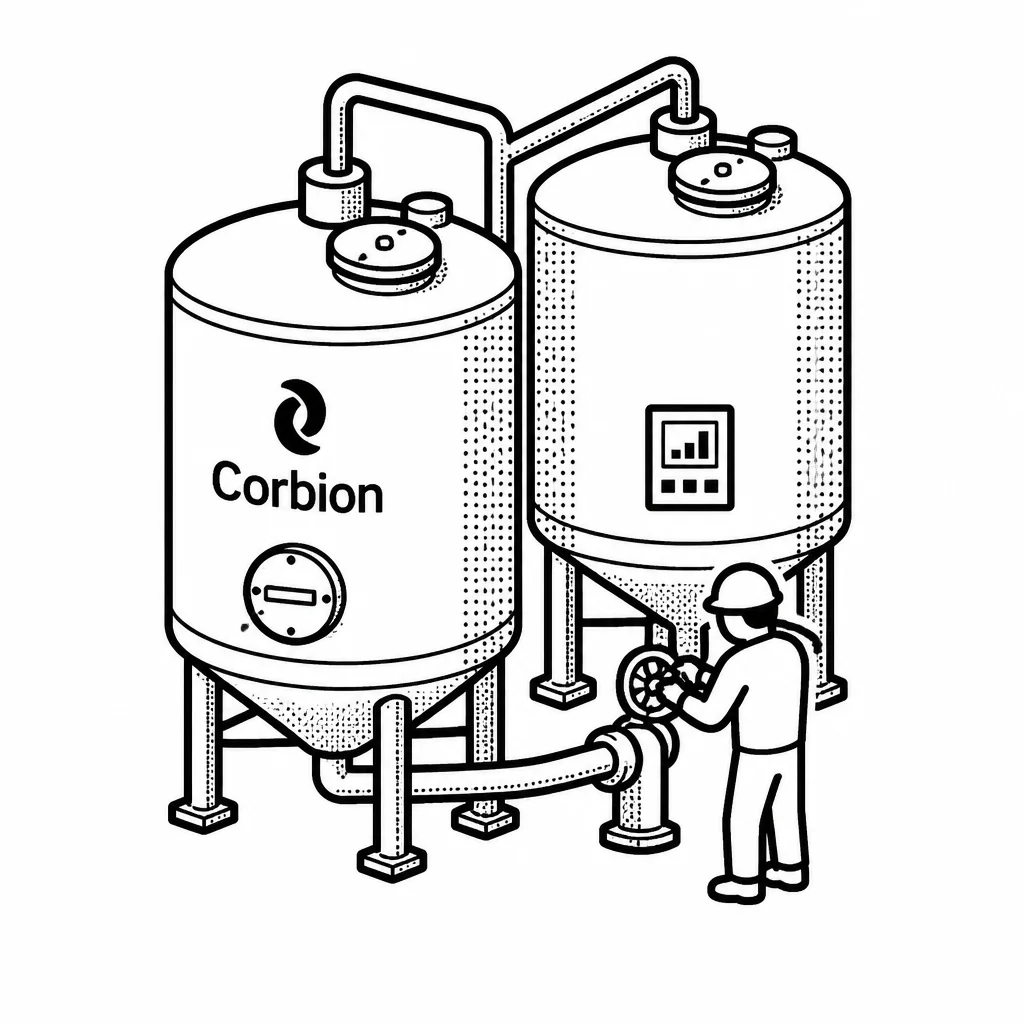
The company also sells emulsifiers, which keep oil and water mixed so foods like dressings, sauces, and baked goods hold together properly. Other products include enzymes, vitamins, and ingredients from algae, sold to food, pharmaceutical, and personal care customers. These are small-ticket ingredients, but buyers stick with suppliers they trust, because a bad batch can ruin a whole production run. Corbion used to be called CSM N.V., a name it shed after selling off its sugar and bakery businesses to focus on ingredients and lactic acid. It is headquartered in the Netherlands and listed on Euronext Amsterdam. Its customers are mostly large food and consumer brands, not everyday shoppers, so most people have never heard of Corbion even though they eat and use its products constantly.
The growth story investors watch is bioplastics. Corbion makes PLA (polylactic acid), a plastic made from plants instead of oil. It runs a joint venture making PLA in Thailand with a partner, aimed at replacing some petroleum-based plastics in packaging and other uses. That bet is promising but risky: it depends on prices, scale, and whether big brands actually switch. Meanwhile, the steady food and pharmaceutical ingredient sales pay the bills. Competition comes from big chemical and ingredient players like BASF in lactic acid and other ingredient markets, and from cheaper producers.
Saved answer · last researched 14 Nov 2026