Understand any stock in simple English
Enter a ticker to learn what the company does and how it makes money.
Capital Power Corporation
Capital Power builds and runs power plants — fired by natural gas and renewables — and sells the electricity to the grids that keep homes and businesses running.
Capital Power is an electricity producer. It doesn't sell power directly to your house; it sells wholesale to the big grids in Canada and the United States, and the utilities and markets on those grids pay for every megawatt-hour it delivers. The company owns the plants, pays to run them, and pockets the difference between what the power costs to make and what the market pays for it.
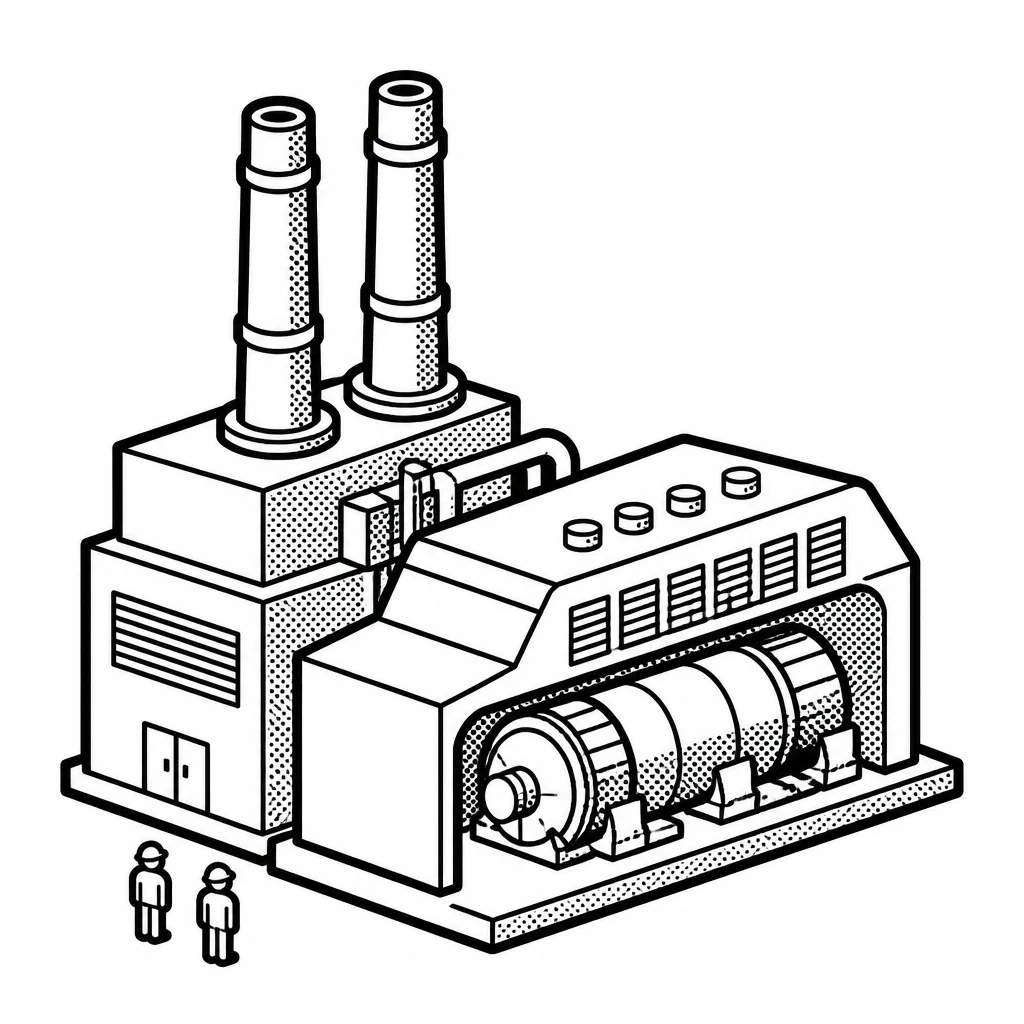
Its fleet comes in two main flavors. The first is natural gas: big, flexible plants that can fire up fast when demand spikes or the wind dies down, which makes them valuable to grid operators. The second is renewables — wind and solar farms — whose fuel is free once the hardware is built. Gas plants earn steady money from that reliability, while renewables earn from long-term contracts or from selling clean power into the market. The mix matters: gas pays the bills today, and renewables are the growth story. The simple bull case is that electricity demand is rising — data centers, electric cars, heating — and somebody has to build the plants. Capital Power's gas fleet is a cash machine, and it has been adding renewable projects and buying gas assets, including a big U.S. acquisition, to expand beyond Canada. The bear case is just as simple: gas plants face carbon pricing and tightening emissions rules, and power prices swing with fuel costs and weather. A mild winter or cheap gas can quietly dent profits.
Capital Power is headquartered in Edmonton, Alberta, which tells you a lot — it grew up in a province built on energy. It pays a dividend and has been putting money into new projects and acquisitions rather than hoarding cash. The whole business, boiled down: own the machines that make electricity, sell the output into whatever market needs it, and keep the spread.
Saved answer · last researched 12 Nov 2026