Understand any stock in simple English
Enter a ticker to learn what the company does and how it makes money.
Computershare Limited
Computershare keeps the official records of who owns shares and pays out dividends and corporate actions for companies and their investors.
Computershare is the back-office record keeper for the stock market. When you buy a share of a company, Computershare is often the company that actually writes your name in the register, tracks how many shares you own, and makes sure your dividend lands in your bank account. It also runs employee share plans and handles mortgage servicing for lenders. So it sits quietly behind the scenes of millions of investing and borrowing relationships, mostly invisible until something goes wrong.
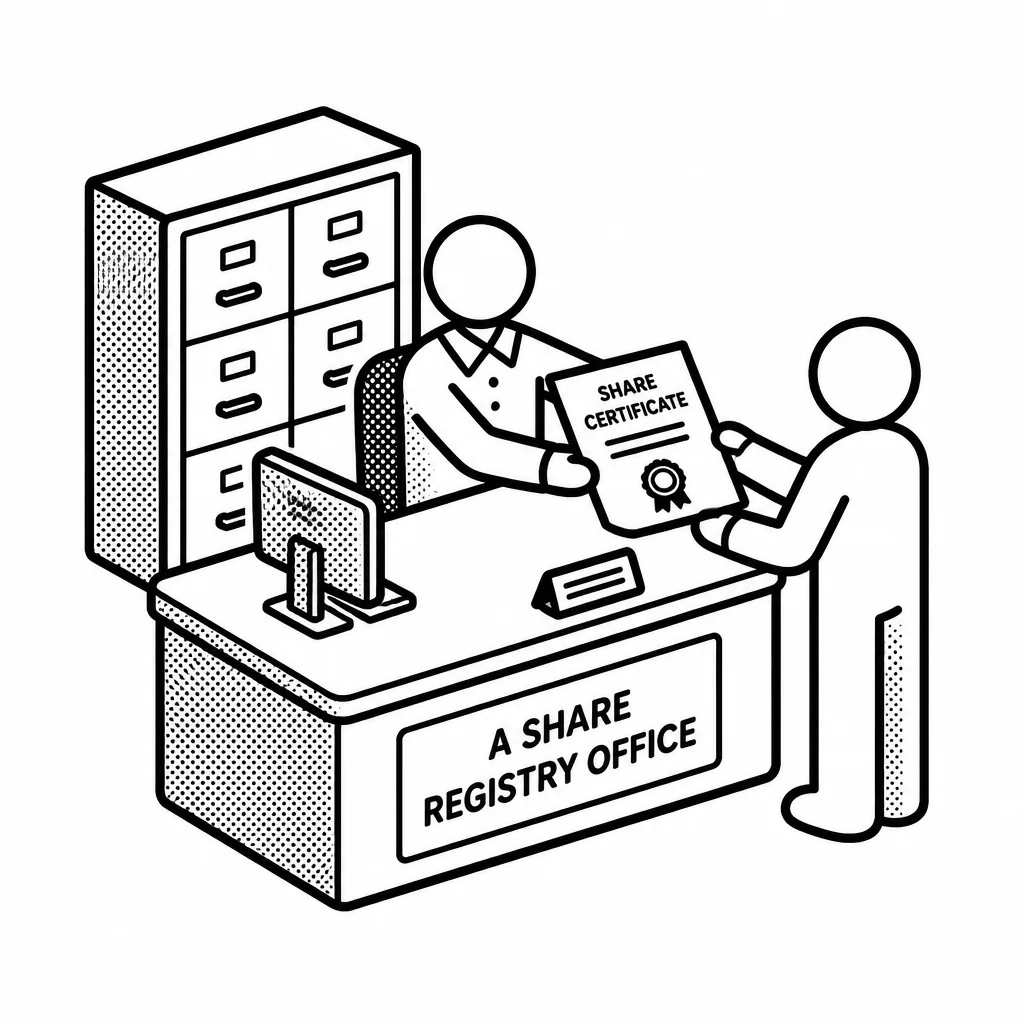
The core of the business is the share registry. Companies hire Computershare to maintain the list of their shareholders, handle the paperwork when shares are issued or transferred, and run the logistics of things like rights issues, takeovers, and annual meeting votes. Investors pay attention because this is the outfit that mails the voting forms and processes the paperwork when you want to sell or move shares. The mortgage servicing arm collects payments from borrowers on behalf of lenders and handles the administrative grind of keeping loans on track. Employee plans let companies administer share-based pay for their staff without building that machinery themselves. Why do customers stick with Computershare? Registries are sticky. Switching a share register is disruptive, and companies tend to stay put once the records, processes and investor relationships are in place. That gives Computershare a large, recurring revenue base and makes it a scale business: the more shareholders it serves, the cheaper each additional relationship becomes to run. Its main competition comes from other registry providers and from in-house systems at large financial institutions, but the industry is concentrated among a handful of players.
The company is headquartered in Melbourne, Australia, and has grown well beyond its home market into the US, UK and Europe, partly through acquisitions of rival registries. It returns a good chunk of its cash to shareholders through dividends and buybacks. The obvious risk is that electronic shareholding and simpler digital processes could eventually erode the need for some of this paperwork. For now, though, the plumbing of ownership still needs someone to keep the books, and Computershare is one of the biggest bookkeepers in the world.
Saved answer · last researched 12 Nov 2026