Understand any stock in simple English
Enter a ticker to learn what the company does and how it makes money.
CPS Technologies Corporation
CPS Technologies makes specialized metal-and-ceramic parts that keep electronics and vehicles cool and protected in tough environments.
CPS Technologies makes parts that most people will never see, but that quietly keep important machines from cooking themselves. Its main products are metal matrix composites — think of a metal, usually aluminum, mixed with ceramic particles to make a material that is lighter than steel but stiffer and better at spreading heat. The company shapes these materials into lids and baseplates that sit on top of high-power electronics, pulling heat away so chips in radar systems, electric vehicles, and defense gear don't overheat.
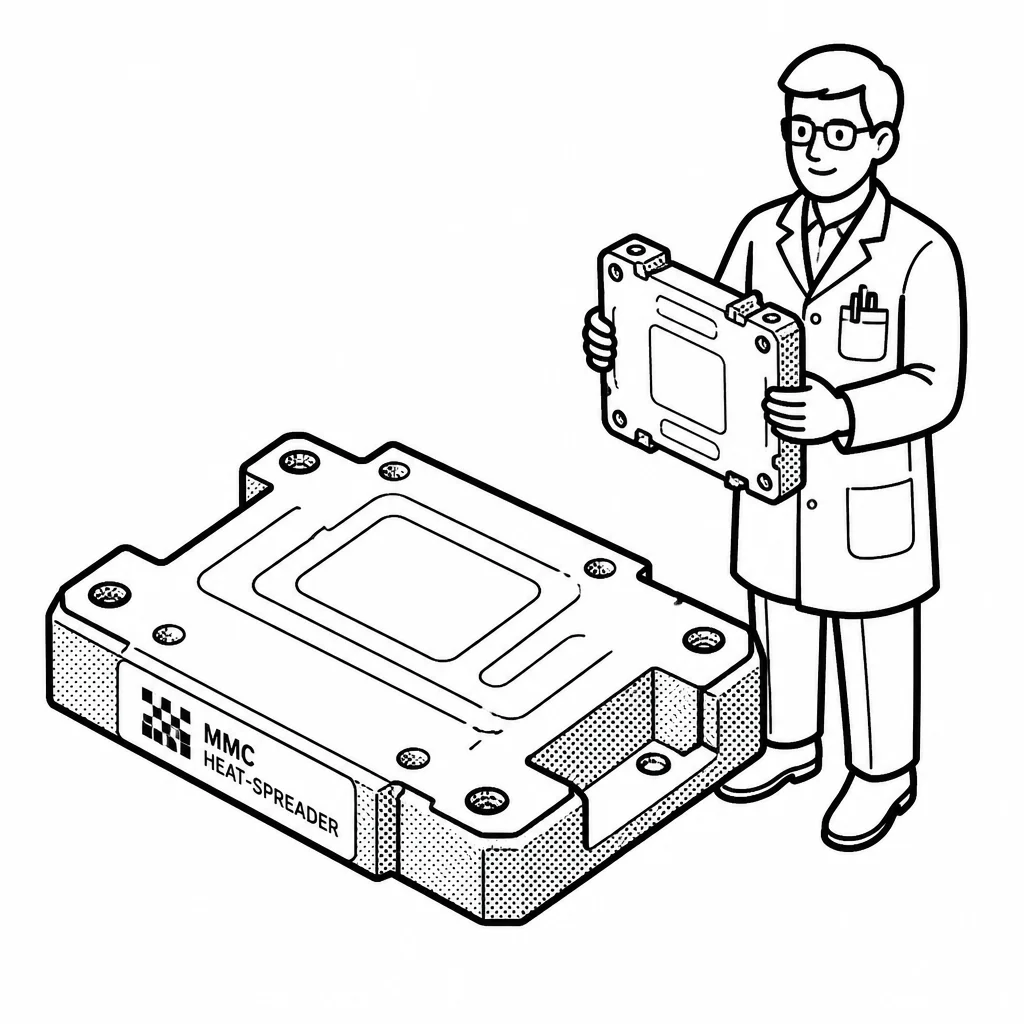
The customers are the interesting part. CPS sells to microelectronics companies that need to cool powerful chips, to transportation firms working on electric vehicles and rail, to aerospace and defense contractors building radar and weapons systems, and to industrial customers. These buyers pay for reliability in brutal conditions: parts that survive vibration, temperature swings, and years of use without failing. That's a small, specialized niche, and the technical know-how is the moat — not everyone can mix metal and ceramic and get a part that holds together. The business is tiny by public-company standards, and that matters for how you think about it. Its shares trade on the Nasdaq Capital Market, the tier for smaller companies. Revenue is modest and lumpy, because a handful of large orders can swing a quarter. It has historically lost money or hovered near breakeven in some years, and it has relied on defense and electronics demand that moves with government budgets and product cycles. That makes it a real business with real technology, but also a fragile one where a few big customers matter enormously.
The company started life as Ceramics Process Systems Corporation, born out of MIT research in the 1980s, which explains its roots in advanced materials rather than mass manufacturing. Today the bet is that as electronics get hotter and vehicles go electric, demand grows for clever materials that manage heat and weight. If that bet pays off, CPS is a small supplier sitting on a useful specialty. If defense spending or a key program slips, the small size cuts the other way.
Saved answer · last researched 16 Nov 2026