Understand any stock in simple English
Enter a ticker to learn what the company does and how it makes money.
Companhia Paranaense de Energia - COPEL
Copel generates, transmits, distributes, and sells electricity to customers in the Brazilian state of Paraná.
Copel is an electric utility that keeps the lights on in Paraná, a state in southern Brazil. It runs power plants, strings up the big transmission lines that carry electricity across long distances, and operates the local grid that delivers power to homes, shops, and factories. Most of its customers simply pay their monthly electricity bill, and that regulated distribution business is the steady heartbeat of the company.
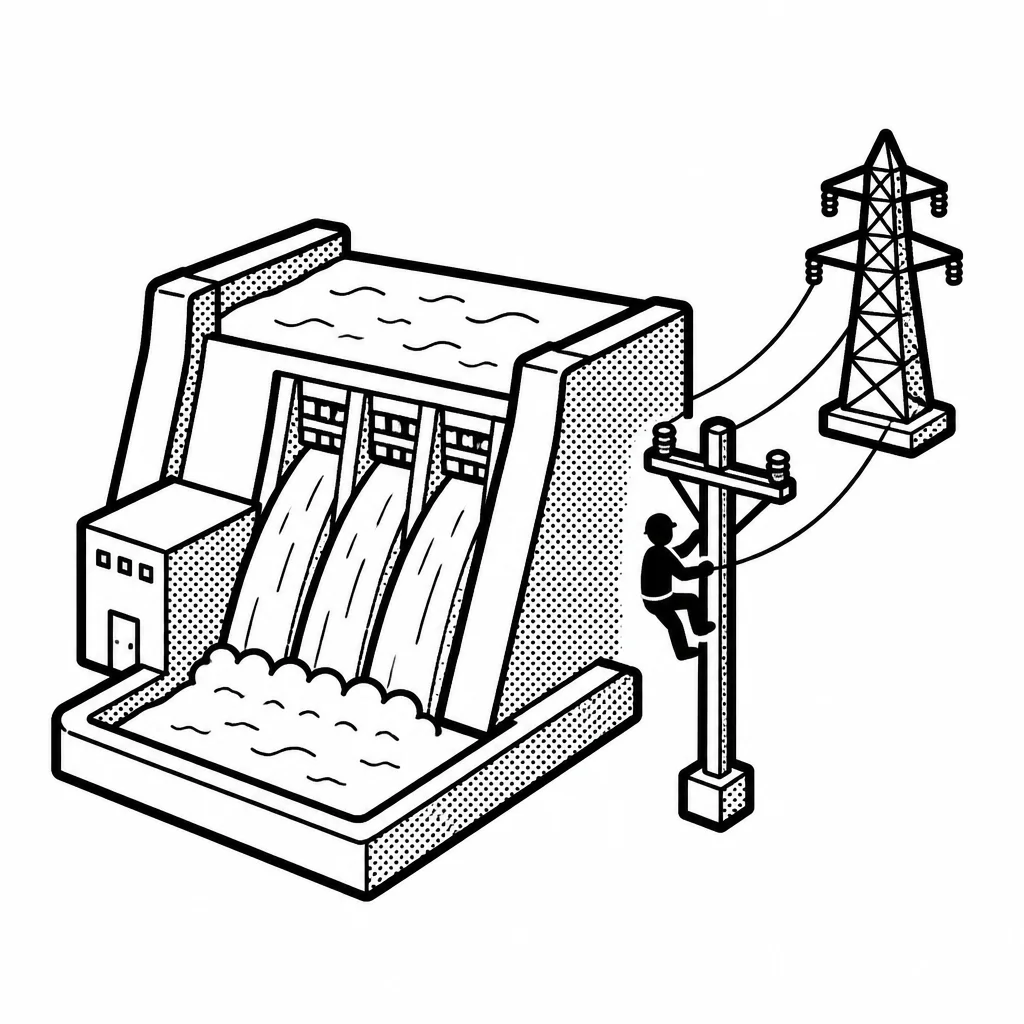
The company is majority-owned by the state government, though since 2023 it has been a "corporation" rather than a mixed state enterprise, and it has been selling shares to private investors to raise money and modernize. It is one of the largest electricity companies in Brazil, and its shares trade on B3 and also as American Depositary Receipts in the United States. It competes in a sense with other big Brazilian utilities like Eletrobras, though in Paraná it is essentially the local power company by geography. What makes Copel interesting is that it sits at the intersection of a heavily regulated business and Brazilian politics. The state still holds a big chunk, so decisions can be influenced by public policy, and the distribution business earns a fixed return set by regulators rather than by winning customers. It also owns a chunk of generation, including hydroelectric plants, and it has been investing in transmission lines and renewable projects. A large share of its profits goes back to shareholders as dividends, which is typical for a utility that does not need to reinvest everything.
In short, Copel is a simple, predictable business with a complicated ownership story: it sells an essential service to a captive region, earns steady regulated returns, and is gradually shifting toward more private ownership.
Saved answer · last researched 12 Nov 2026