Understand any stock in simple English
Enter a ticker to learn what the company does and how it makes money.
Compass Group PLC
Compass Group runs cafeterias, kitchens, and support services for offices, hospitals, schools, sports venues, and military bases around the world.
Compass Group is one of the world's biggest food service companies, and it feeds people in places where food is an afterthought to whatever else is happening. It runs staff canteens inside office towers, patient meals in hospitals, lunch lines in schools and universities, concession stands at stadiums and arenas, and dining halls on military bases and remote mining camps. The company also provides support services beyond food—things like cleaning, reception, security, and facilities management—so a client can hand off a whole chunk of daily operations.
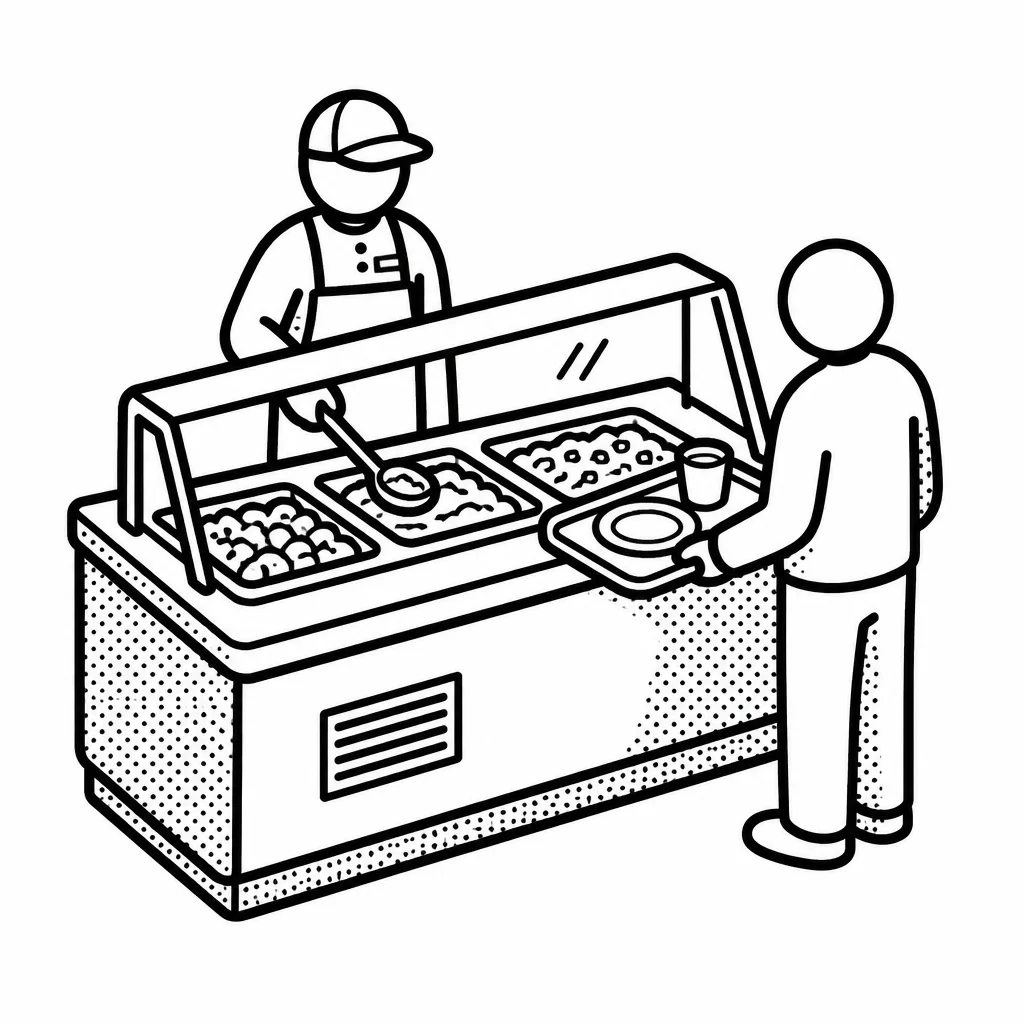
The business model is straightforward: Compass signs contracts with organizations that need to feed or care for large numbers of people, then buys food in enormous bulk, negotiates hard with suppliers, and runs the kitchens with its own staff. Customers pay because feeding thousands of people well and cheaply is a specialist job, and a company whose core business is software, surgery, or soccer has little interest in running a canteen. Rival contract caterers like Sodexo and Aramark compete for the same contracts, so Compass leans on scale in purchasing, tight cost control, and a track record of running many sites smoothly. A large share of Compass revenue comes from North America, where it is the biggest contract food service player, and it has been expanding in sectors like healthcare and education that tend to be steady through economic ups and downs. The company pays regular dividends, and earlier in its history it spun off its hospitality and premium food business into a separate listed company, focusing itself squarely on contract catering and support services.
What makes Compass resilient is boring in the best way: contracts are typically multi-year, food is a recurring need, and clients rarely switch caterers on a whim. The risk is that low-margin contracts can turn painful if wages or food costs rise faster than contracts allow, and the company has been known to exit markets or contracts that don't earn their keep. In short, it's a huge, steady machine that turns the everyday grind of feeding people into predictable revenue.
Saved answer · last researched 14 Nov 2026