Understand any stock in simple English
Enter a ticker to learn what the company does and how it makes money.
Corcept Therapeutics Incorporated
Corcept Therapeutics sells medicines that block the hormone cortisol to treat rare hormonal and metabolic disorders.
Corcept Therapeutics makes a medicine for people whose bodies produce far too much of the stress hormone cortisol, a condition called Cushing's syndrome. Too much cortisol wrecks a person's body over time — it drives weight gain, weak muscles, high blood sugar, and dangerous infections. The company's flagship drug, Korlym, blocks the receptor that cortisol latches onto, so the hormone can't send its damaging signals. Doctors prescribe it mainly for Cushing's patients who also have type 2 diabetes, where the drug can help bring blood sugar under control.
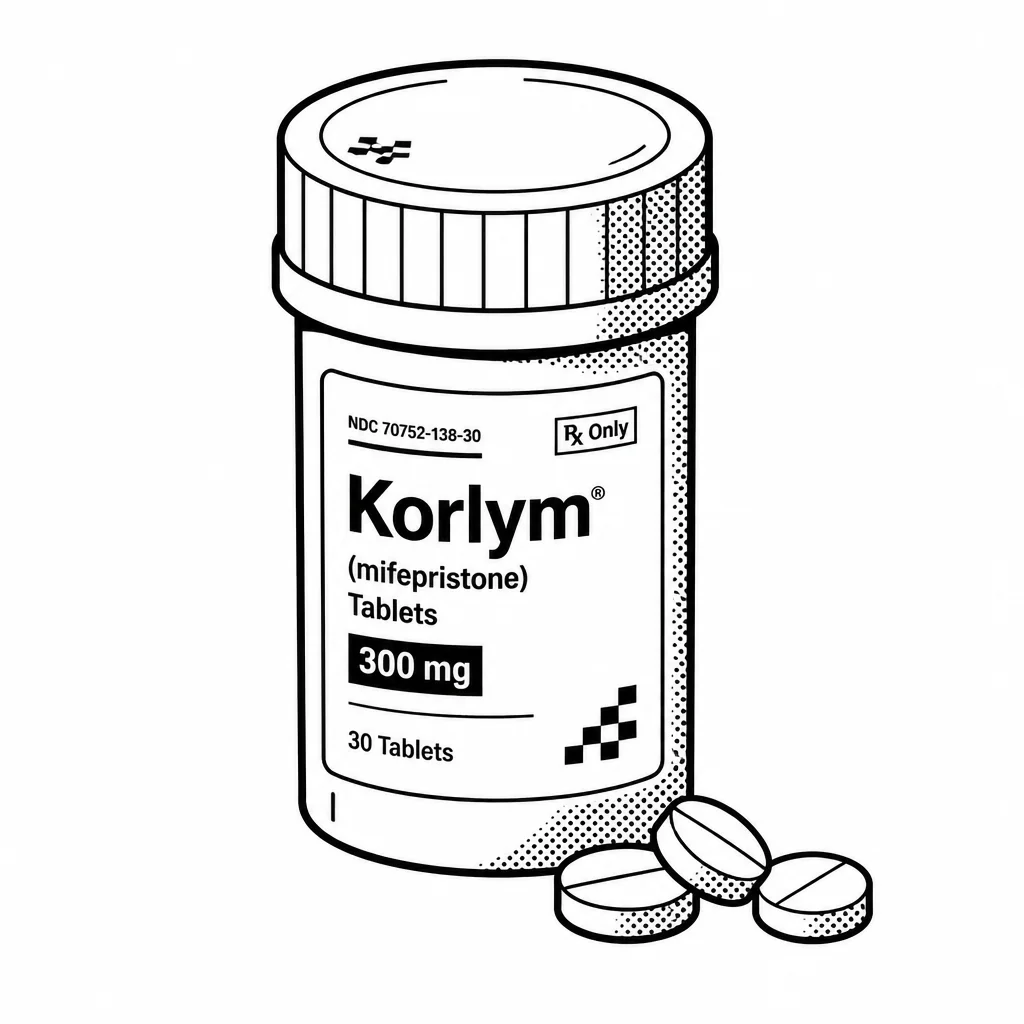
That one drug has been the whole business for years, and it's been a very good one. Corcept isn't a household name because Cushing's syndrome is rare and Korlym is a niche treatment, but rare-disease drugs can carry high prices, and the company has grown steadily on Korlym sales. The catch is concentration: nearly all of its money comes from this single product, so its fate is tied to one drug and the small patient population it serves. Corcept is trying hard to change that by pushing the same cortisol-blocking idea into much bigger markets. Its most important bet is on a drug for hypercortisolism tied to hard-to-control type 2 diabetes — a far more common problem — plus efforts in areas like weight management and certain cancers. These programs are the growth story investors are watching, because success in a large market would transform a small niche player into something much bigger. Failure would leave it dependent on a shrinking set of Cushing's patients.
The company is based in Redwood City, California, and it turned profitable years ago, which is unusual for a small drugmaker. That profitability matters because it funds the costly clinical trials needed to prove the new drugs work. The core risk is familiar for a one-drug company: competition and cheaper generic versions of Korlym could pressure the base business, so the new programs need to pay off before that happens. It's a small, focused bet on a single biological idea — calm down cortisol, and treat the diseases it drives.
Saved answer · last researched 16 Nov 2026