Understand any stock in simple English
Enter a ticker to learn what the company does and how it makes money.
Container Corporation of India Limited
It moves shipping containers around India by rail and road and runs the warehouses and terminals where that cargo gets handled.
Container Corporation of India is the country's biggest rail-based container mover. When a factory in India wants to send goods overseas, or bring imports inland, the cargo travels in steel boxes. Someone has to move those boxes between ports, factories, and inland cities. That someone is usually this company, widely called Concor. It hauls containers on trains and trucks, and it operates the terminals and warehouses where boxes get loaded, unloaded, stored, and cleared through customs.
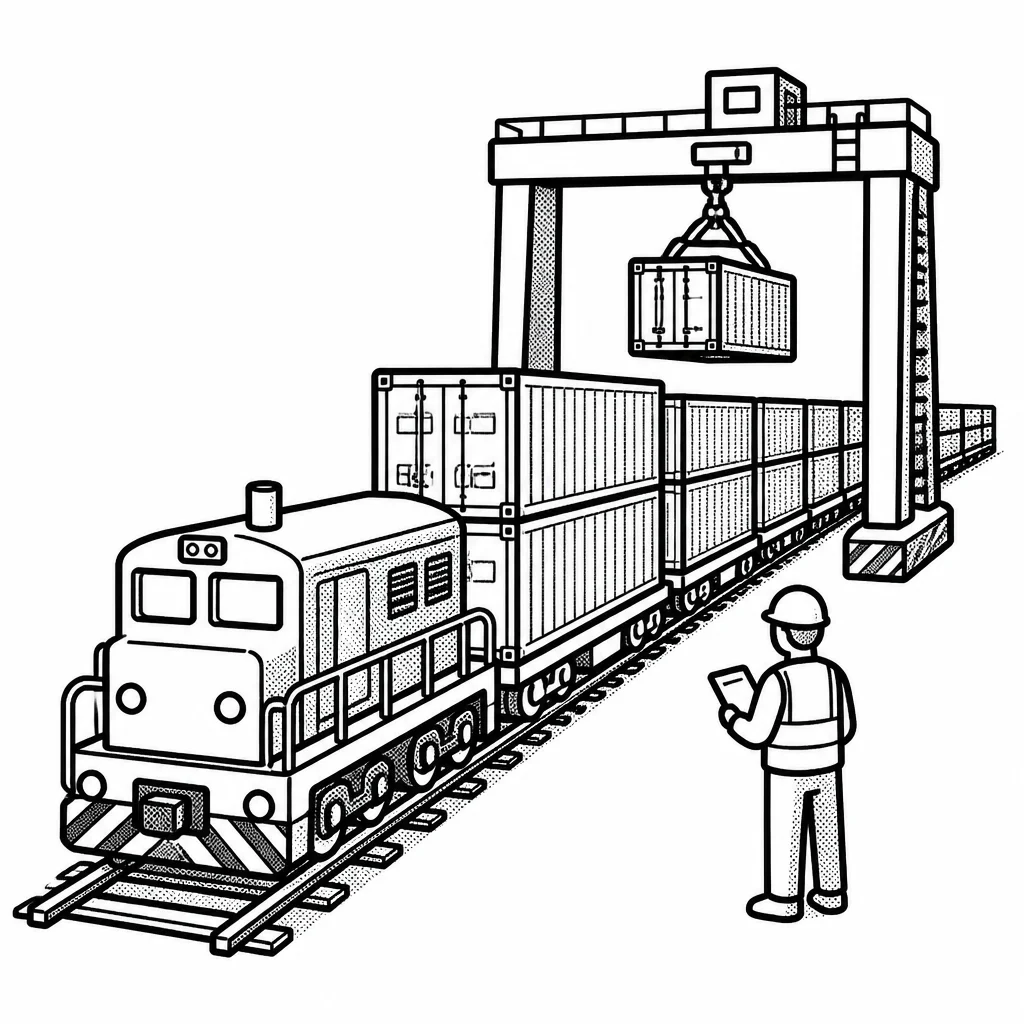
Here's the basic problem it solves. India's ports sit on the coast, but the factories and markets are scattered deep inland. Trucking a container hundreds of kilometers is slow and expensive. Trains are far cheaper for long hauls, but you need terminals at both ends and someone to coordinate the whole chain. Concor built that network: rail yards, inland container depots, and the logistics machinery around them. It earns money by charging customers to move and handle their boxes, both for international trade and for purely domestic shipments. The business has two main engines. The "EXIM" side handles import-export cargo, the bulk of what it does, connecting inland depots to ports. The domestic side moves containers within India for local trade. Concor owns much of its rolling stock and terminal infrastructure, which gives it scale and reach that smaller players struggle to match. Its main competitor on the rails is Gateway Distriparks, though road haulers compete for shorter routes. A structural issue hangs over it: the government owns a stake and regulates rail freight, and Concor has long paid fees to run on the national rail network.
That regulatory setup matters. Indian policy has pushed toward private container train operators, and Concor's government ownership has been a live question for years, with periodic talk of selling a stake to a strategic buyer. For investors, the appeal is the network and the steady flow of trade; the risk is that policy, rail pricing, and competition slowly erode its edge. It's a toll bridge for Indian trade, but one where the government controls the road and sets some of the tolls.
Saved answer · last researched 16 Nov 2026