Understand any stock in simple English
Enter a ticker to learn what the company does and how it makes money.
Coloplast A/S
Coloplast makes and sells medical products — like ostomy bags, continence aids, and wound and skin care items — that help people live more comfortably with intimate health conditions.
Coloplast makes the unglamorous products that people with intimate medical conditions rely on every single day. Its biggest business is ostomy care: bags and skin barriers for people who have had part of their bowel or bladder removed and now waste exits through a opening on their stomach called a stoma. The company also sells continence products like catheters and pads, plus wound dressings and skin care creams. These are not impulse buys — patients often use the same product for years, which makes the business remarkably steady.
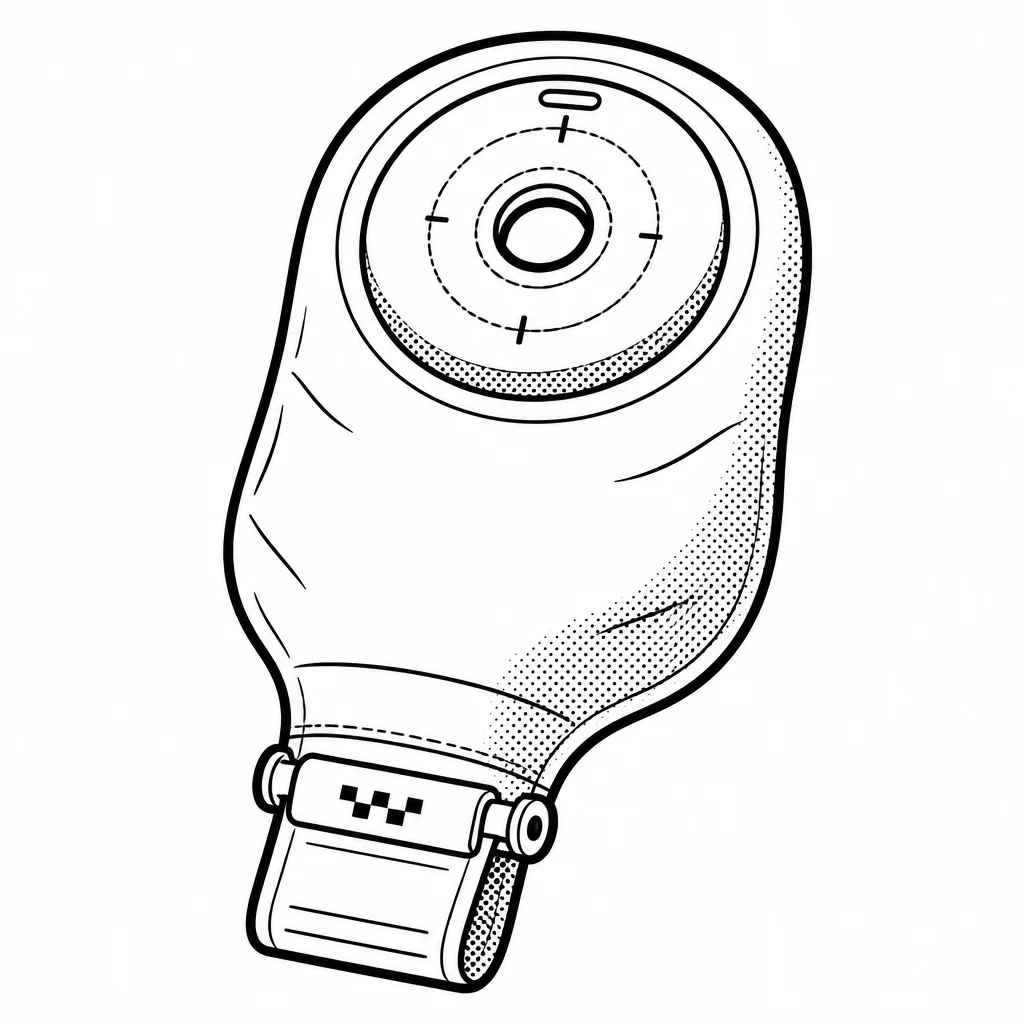
The people who actually use these products usually don't pay for them directly. In most rich countries, public health systems or private insurers cover the cost, and patients order through special medical supply channels or directly from the company. That matters because it means Coloplast competes on quality, comfort, and reliability rather than on price alone. If a stoma bag leaks or a catheter is painful, patients switch brands fast — so getting the product right and supporting users with nurses and advice is the real battleground. Coloplast is headquartered in Denmark and grew out of a small Danish company founded in 1957 by a nurse whose sister needed a better ostomy bag. That origin still shapes the culture: the company talks constantly about listening to users. It is one of the big three in ostomy and continence care, alongside ConvaTec and Hollister, and it has spent decades expanding through Europe and then the United States, which is now its biggest and most profitable market. It also runs a chronic care business through contracts with hospitals and nursing homes, and a smaller voice and respiratory care unit.
What makes the business strong is that these conditions don't go away. A person with a stoma is a customer for life, and with an aging population the number of such patients keeps rising. The company pours cash into research — better adhesives, thinner materials, smarter designs — and into acquisitions that bolt on new products. It pays a steady dividend and buys back shares, and it has generally grown revenue year after year, though currency swings and the cost of competing in the U.S. market can dent reported profits. The main vulnerability is simple: if a rival makes a meaningfully better bag, or if health systems squeeze reimbursement budgets, the steady stream can slow.
Saved answer · last researched 12 Nov 2026