Understand any stock in simple English
Enter a ticker to learn what the company does and how it makes money.
Canadian Natural Resources Limited
Canadian Natural Resources is a large oil and gas producer that pumps crude oil and natural gas out of the ground and sells it to energy markets.
Canadian Natural Resources is one of Canada's biggest oil and gas producers. It pulls crude oil, natural gas, and natural gas liquids out of the ground and sells them into energy markets. It also runs oil sands operations that turn heavy bitumen into synthetic crude oil, a upgraded product refineries can use.
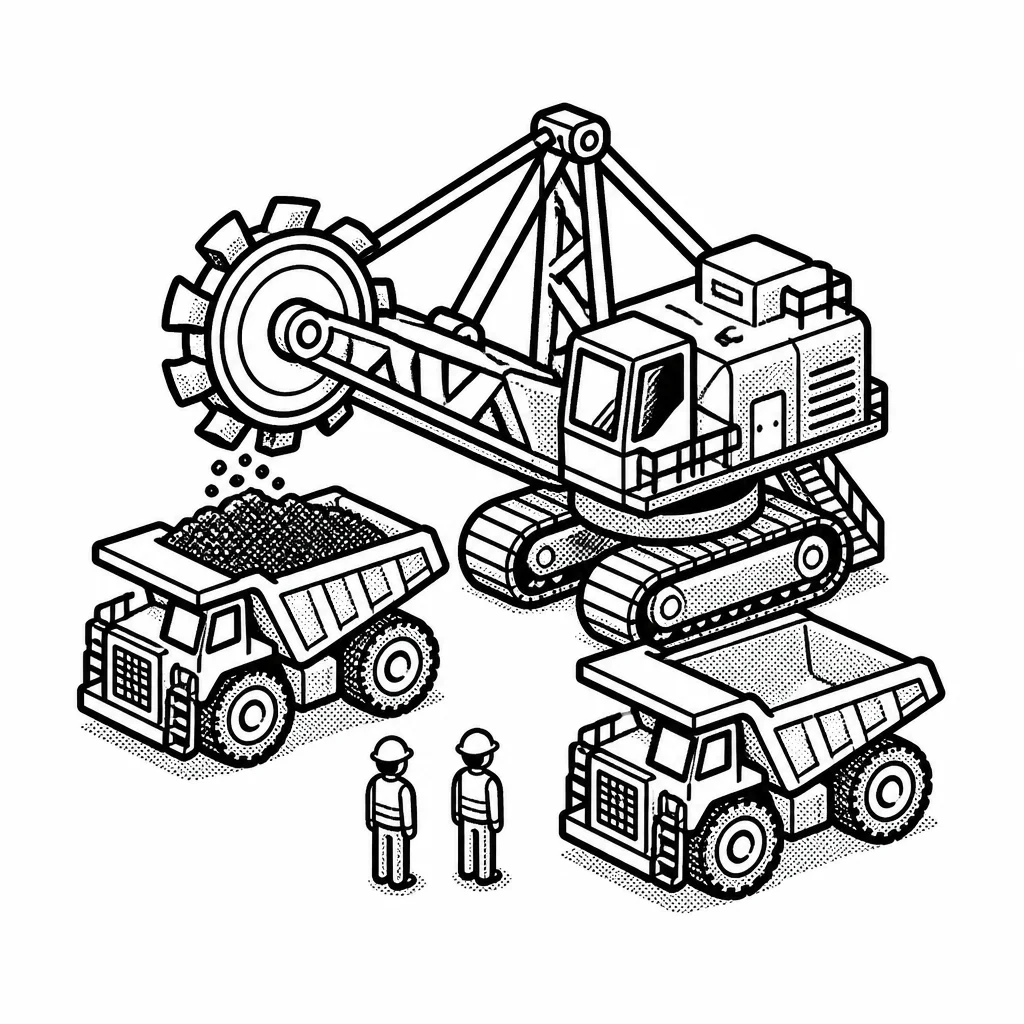
The company owns a huge and unusually balanced mix of assets. It has long-life oil sands mines and wells in northern Alberta that can keep producing for decades, plus conventional oil and gas fields in western Canada, the North Sea, and offshore Africa. That mix matters because some assets gush cash quickly while others grind out steady production for years. Owning both lets the company keep money coming in through different points in the price cycle. What makes Canadian Natural stand out is how it has been run. For years it has focused on keeping costs low, running its wells and plants efficiently, and returning cash to shareholders through dividends and share buybacks. It has also grown partly by buying assets from other companies, and it has a long record of snapping up properties when prices are weak. Because it is one of the largest producers in the oil sands, it is also one of the biggest corporate emitters of greenhouse gases in Canada, which keeps it in the middle of the country's climate policy debates.
The business rises and falls with oil and gas prices, which the company cannot control. A fall in crude prices hits its revenue hard, and its oil sands operations are expensive to build and run compared with simple conventional wells. That is the trade-off: big, steady, long-life production in exchange for heavy upfront costs and exposure to commodity swings. When prices are strong, the company generates a lot of cash, and that is when it pays down debt and buys back stock.
Saved answer · last researched 12 Nov 2026