Understand any stock in simple English
Enter a ticker to learn what the company does and how it makes money.
CMS Energy Corporation
CMS Energy is a Michigan utility company that delivers electricity and natural gas to homes and businesses, and also runs wholesale power plants.
CMS Energy is the company most people in Michigan know without knowing the name. It runs Consumers Energy—wait, that's the same company, so forget the ticker marker there: its main business is Consumers Energy, the regulated electric and natural gas utility that keeps the lights on and the furnaces running for roughly 6.8 million of Michigan's 10 million residents. If you live in the Lower Peninsula and you flip a switch or turn up the heat, there's a good chance CMS is the company behind it.
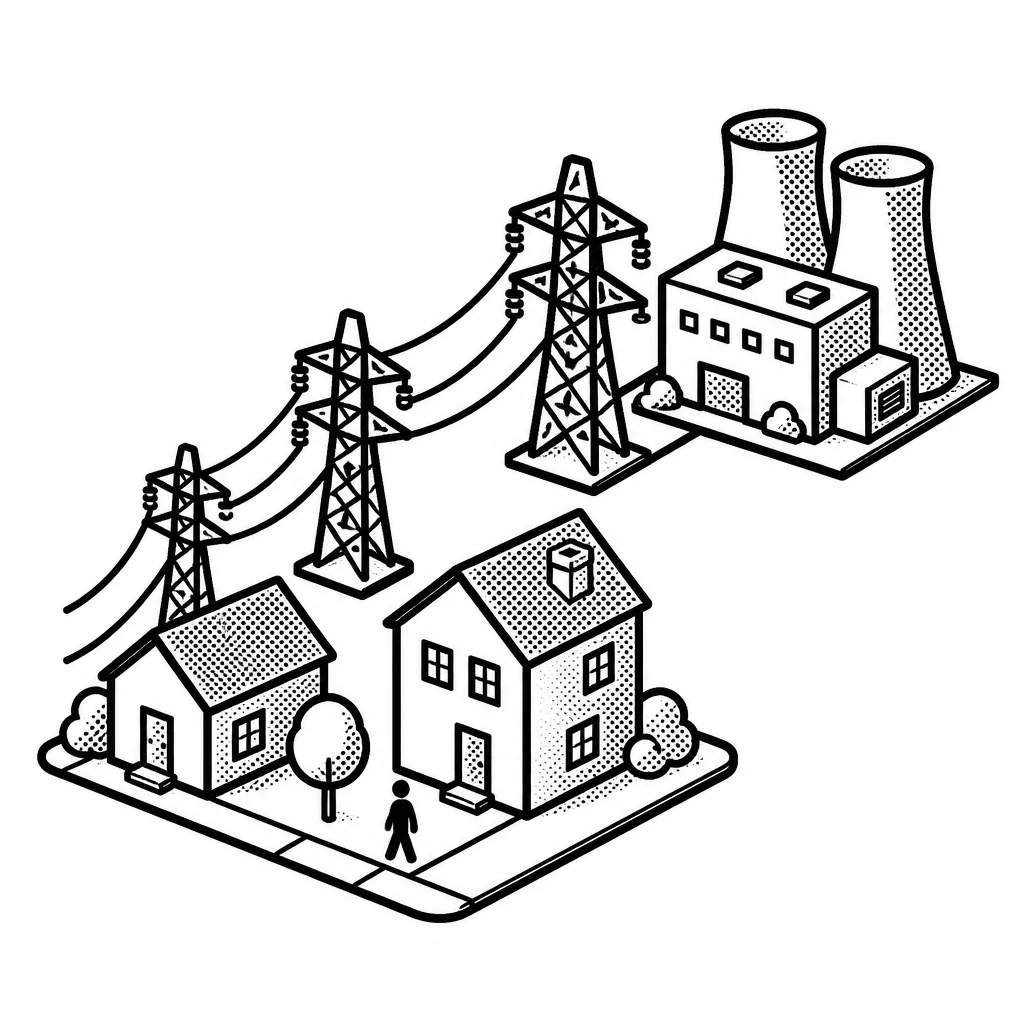
The utility side is the whole story, really. CMS sells electricity and gas to homes and businesses at prices set by state regulators, which means it earns a steady, predictable return rather than riding the wild swings of a free market. In exchange for that safety, it has to ask permission before raising rates and has to keep the grid reliable. That trade-off is the heart of the business: boring, dependable, and deeply tied to the health of the Michigan economy. There's a second, smaller piece too. CMS runs wholesale power generation—power plants that sell electricity into the open market rather than to captive customers. It's a much smaller slice of the pie and a more volatile one, but it lets the company squeeze extra value out of its generating assets. The regulated utility, though, is what pays the bills and what investors actually own when they buy the stock.
What makes CMS interesting is the moment it's in. Michigan is pushing hard toward cleaner energy, and CMS has been closing coal plants and pouring money into wind, solar, and battery storage—spending that regulators generally allow it to earn a return on. That's the quiet engine of a utility: the more it invests in the grid and in new generation, the bigger its regulated asset base grows, and the more it's allowed to earn. It's not glamorous, but it's a machine built to compound slowly. The company also pays a solid dividend, the kind income investors lean on, and has raised it for years. The main risks are the usual utility ones: regulators who might be stingy with rate increases, storms that knock out power, and the cost of rebuilding an aging grid.
Saved answer · last researched 12 Nov 2026