Understand any stock in simple English
Enter a ticker to learn what the company does and how it makes money.
Celestica Inc.
Celestica builds and assembles electronics and equipment for other companies, and manages the supply chains that get the parts and finished products where they need to go.
Celestica is a contract manufacturer. Big companies design products — a server, a networking switch, a piece of medical equipment, an airplane component — and then hand the messy job of actually building them to Celestica. Celestica runs the factories, buys the parts, assembles the hardware, tests it, and ships it. Its customers are the equipment makers and service providers themselves: the folks in aerospace and defense, industrial equipment, communications gear, and servers and storage.
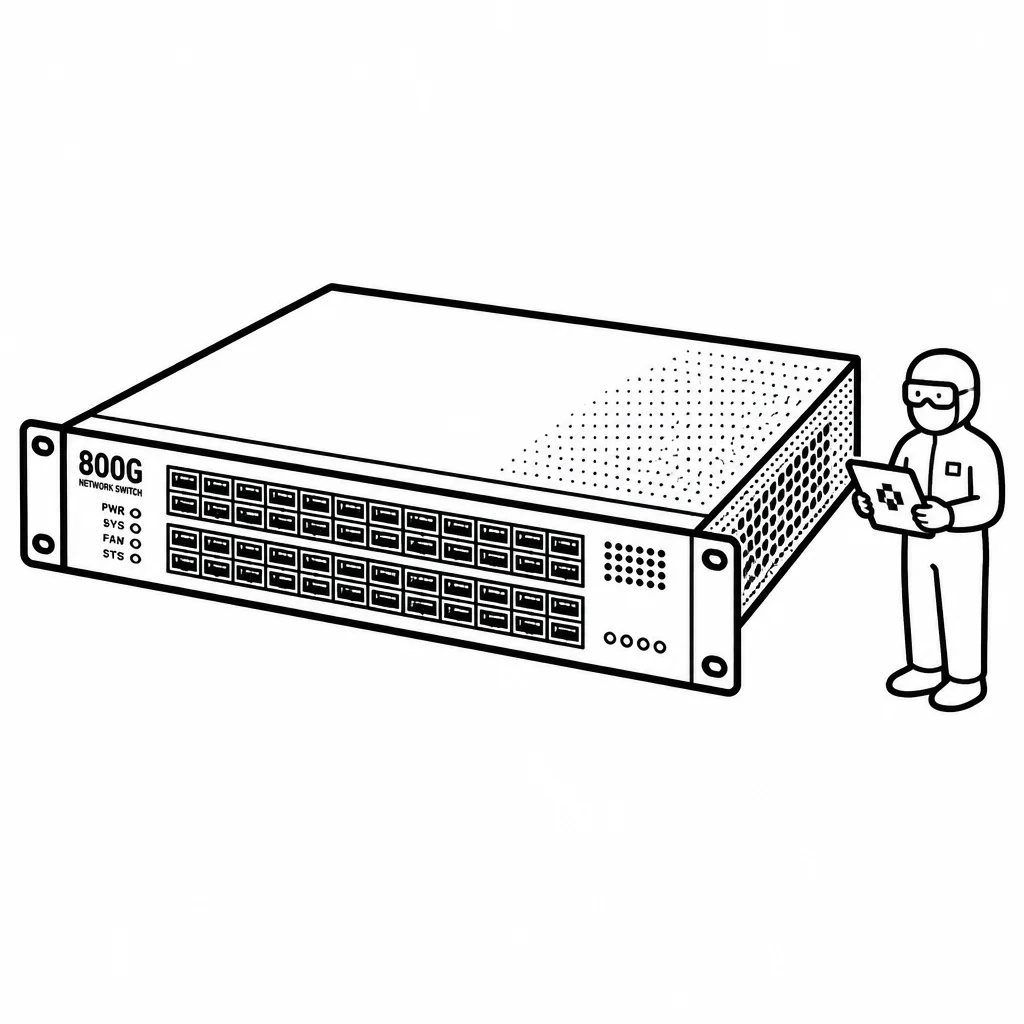
The simplest way to picture it is that Celestica is the hands, not the brain. The customer owns the brand and the design and keeps the customer relationship. Celestica owns the manufacturing lines, the purchasing muscle, and the logistics. That matters because building electronics at scale is fiddly and capital-hungry, and a lot of companies would rather not tie up their own money and management time doing it. Celestica also sells supply chain services — helping customers source parts, plan production, and keep goods moving — which is a natural fit since it is already deep in their supply chains. The business lives and dies on volume and efficiency. Contracts tend to be thin-margin, so Celestica makes money by running its plants hard, negotiating hard with parts suppliers, and being reliable enough that customers keep sending work. Its biggest edge is scale and trust: once Celestica is building your product, switching to a rival means requalifying a whole factory, which is slow and risky. That stickiness cuts both ways, though — a few large customers can swing results, and Celestica has no brand of its own to fall back on if a big account walks.
The recent story is the pivot toward AI. Demand for data-center hardware, especially servers built to handle artificial intelligence workloads, has become a major driver of growth, and Celestica has leaned into that alongside its older communications and industrial base. It also spends on its own plants and capabilities, and it has bought back stock in recent years. The honest risk: this is a low-margin, capital-intensive, customer-concentrated business. Great when demand is roaring, uncomfortable when a big customer changes plans.
Saved answer · last researched 12 Nov 2026