Understand any stock in simple English
Enter a ticker to learn what the company does and how it makes money.
Clean Energy Fuels Corp.
Clean Energy Fuels sells natural gas and renewable natural gas fuel to truck and bus fleets, and builds the fueling stations they fill up at.
Clean Energy Fuels is a fuel company for the vehicles that haul America's goods and carry its passengers, but its fuel comes from gas rather than oil. It sells compressed natural gas, liquefied natural gas, and renewable natural gas — biogas captured from landfills, dairy farms, and wastewater plants — to fleets of heavy trucks, transit buses, garbage trucks, and airport shuttles. These customers drive hundreds of miles a day and burn enormous amounts of fuel, so a cheaper or cleaner fuel matters a lot to them.
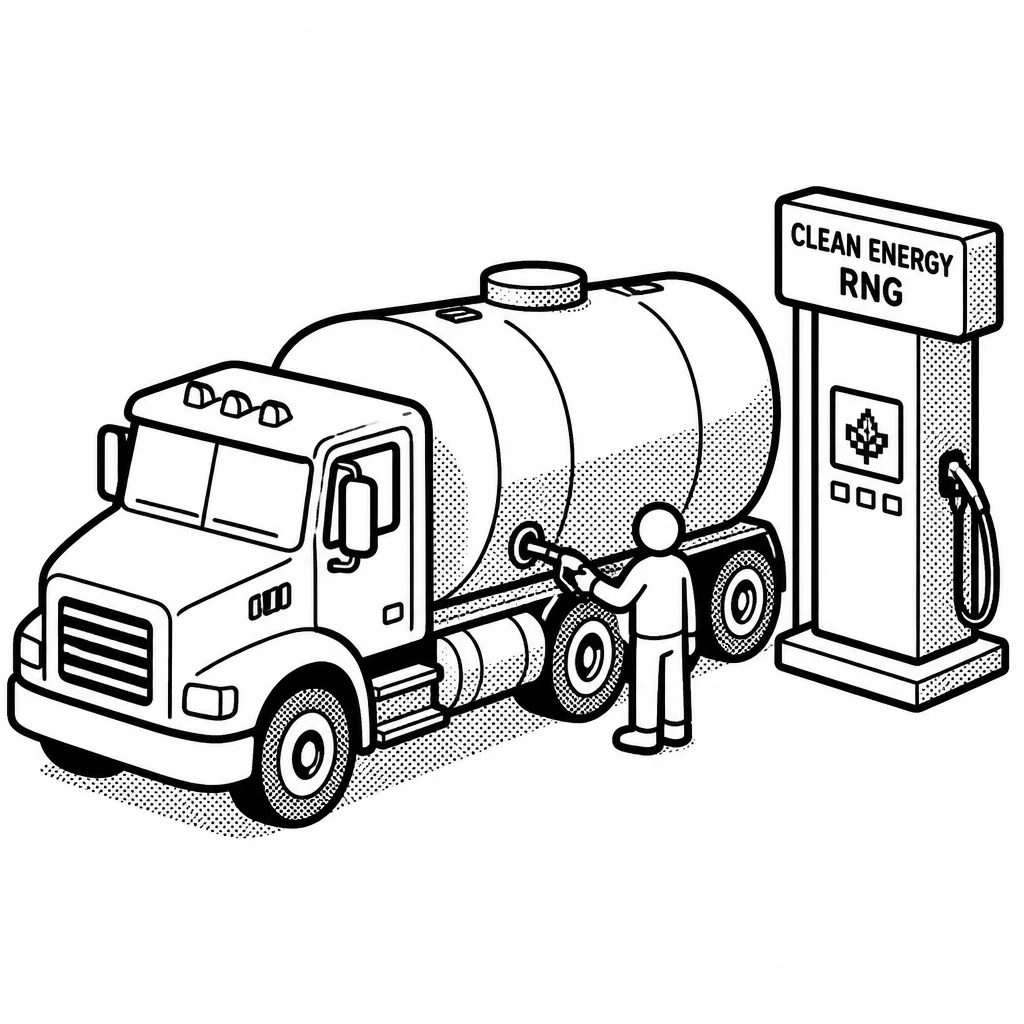
The company makes money two ways. It sells the fuel itself, and it also builds and runs the stations where fleets fill up. Many customers don't want to own a fueling site, so Clean Energy finances, builds, and operates the station and then sells them the gas that flows through it. That recurring volume is the heart of the business. The customer pitch is simple: natural gas has often cost less than diesel, and renewable natural gas is far cleaner, which helps fleets meet air quality rules and their own climate goals, especially in California. The big strategic bet is renewable natural gas, made from decaying organic waste rather than drilled from the ground. It burns much cleaner than diesel and can be made from stuff that would otherwise release methane into the air anyway. Government incentives, particularly California's low-carbon fuel standard, made this fuel especially valuable, and Clean Energy has been adding more of its fuel supply and more dairy biogas projects to capture that value. In its most recent fiscal year, the company reported roughly $400 million in revenue. It has also been trimming costs to get closer to profitability after years of losing money.
The risks are real and worth saying plainly. The economics lean heavily on government clean-fuel programs, so a policy change can hurt. Cheap diesel undercuts the price pitch, and the company has long struggled to post consistent profits. Big competitors in the fuel and gas business, including Shell, loom over the space, and electric trucks are a long-term threat to gas-powered fleets. Clean Energy's answer is to be the fuel and station partner fleets can rely on today while betting that clean, low-carbon gas stays cheaper and greener than the alternative.
Saved answer · last researched 16 Nov 2026