Understand any stock in simple English
Enter a ticker to learn what the company does and how it makes money.
CK Power Public Company Limited
CK Power builds and runs power plants in Thailand and Laos, selling the electricity and steam they produce.
CK Power is a power producer. It owns and operates plants that make electricity — and in some cases steam — and then sells that output to the utilities and industrial customers who need it. In Thailand, most of that electricity goes to the national grid operator, which is the single big buyer everyone in the country's power business depends on. In Laos, the company's hydropower plants sell electricity across the border into Thailand, turning falling water into export revenue.
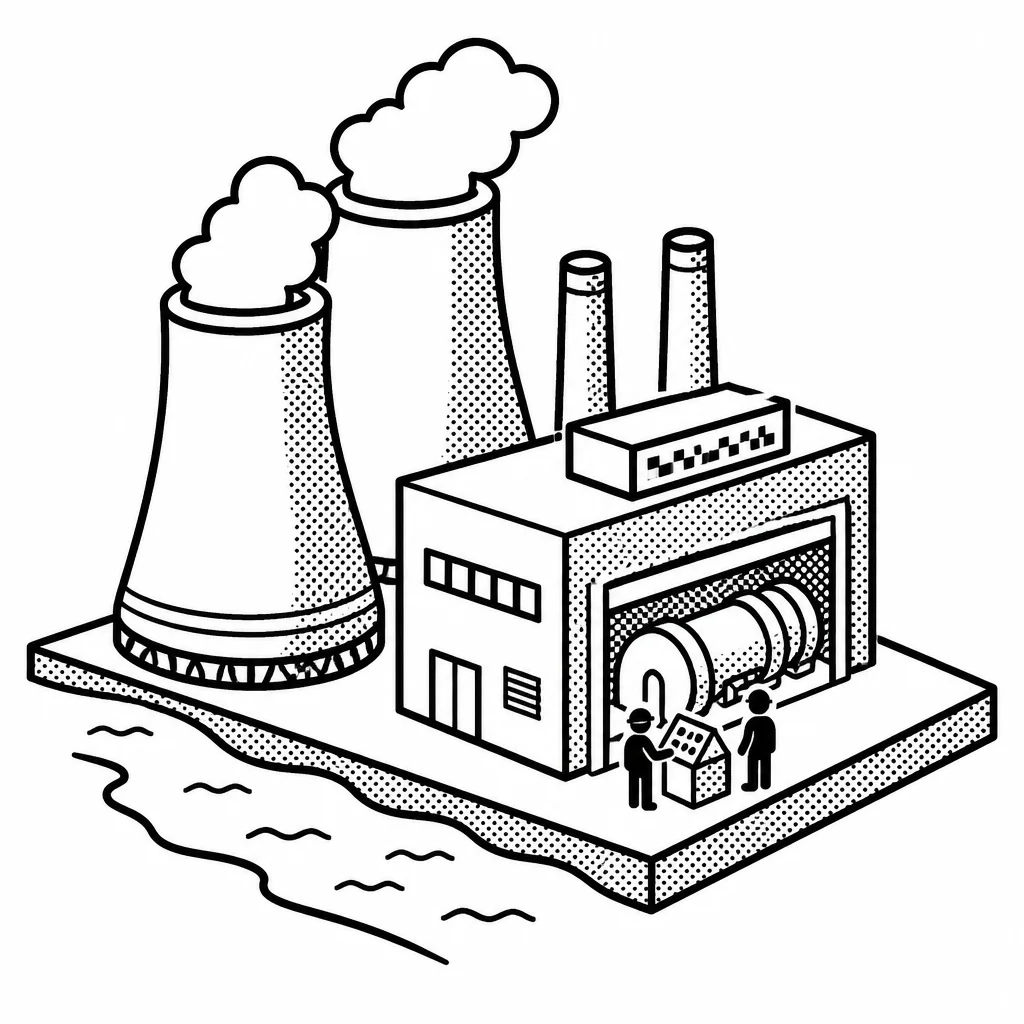
The business runs on three kinds of fuel. Hydropower dams use river water to spin turbines — cheap to run once built, but at the mercy of rainfall. Solar farms make power from sunlight with no fuel bill at all. Thermal plants burn fuel to make both electricity and steam, and they can run around the clock regardless of weather. Putting these together is deliberate: dams and solar are cheap and clean but variable, while thermal plants are the steady backup that keeps supply reliable. CK Power built its portfolio heavily around hydro, which gives it some of the lowest running costs in the region — and the flip side is that a dry year squeezes both output and profit. This is a capital-hungry business. A power plant costs a fortune to build and then earns money slowly, year after year, under long-term contracts that lock in buyers and prices. That structure makes CK Power's cash flows fairly predictable once plants are running, which is why firms like this can carry meaningful debt and still pay dividends. The risks are equally plain: a drought cutting hydro output, contract terms shifting, or regulators changing the rules on who can sell power and at what price. Growth comes from adding new plants — new dams, new solar farms, or stakes in projects — rather than from squeezing more out of existing ones.
CK Power sits inside the CK Group, a Thai construction and infrastructure family, which gave it engineering muscle and a pipeline of projects as it grew from a single plant into a regional producer. It has spent recent years expanding into solar and winding down older, dirtier generation, betting that cleaner power will win contracts and financing more easily. For an investor, the whole story can be boiled down to one question: can it keep its dams full, keep its contracts signed, and keep building new plants without drowning in debt?
Saved answer · last researched 12 Nov 2026