Understand any stock in simple English
Enter a ticker to learn what the company does and how it makes money.
Carbonxt Group Limited
Carbonxt makes specialized activated carbon products used to clean industrial air and water, mostly for American power plants and factories.
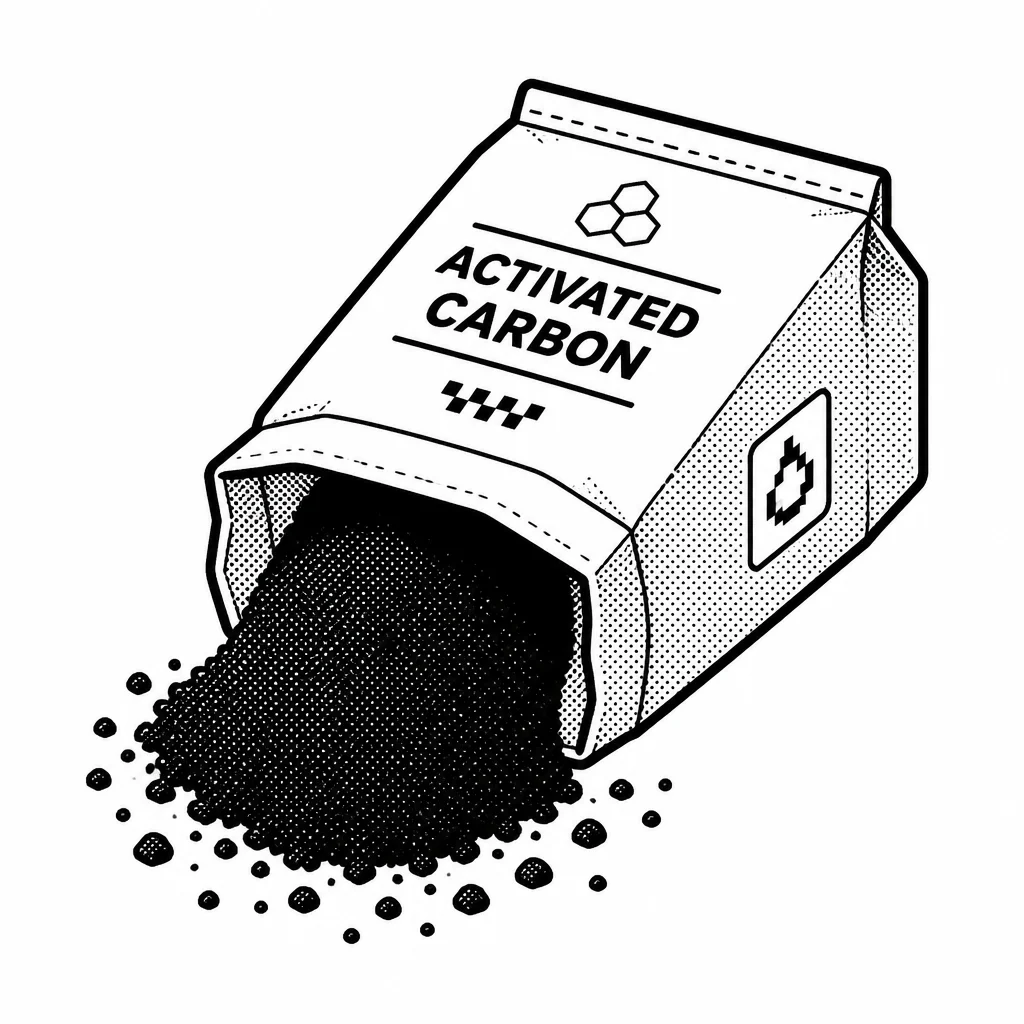
Carbonxt makes the stuff that scrubs pollution out of smoke and water. Its main product is activated carbon — a highly porous form of carbon that acts like a sponge at the molecular level, trapping mercury, toxic gases, and other contaminants before they escape into the air or water. Coal-fired power plants and industrial factories in the United States are the biggest customers, buying it mainly to meet environmental rules on mercury and other emissions.
The company's roots are in Australia, where it was founded and where it still lists on the ASX, but its commercial center of gravity sits in the United States. That is where the pollution-control regulations are strict and where most of its sales go. Carbonxt also develops and sells a couple of related products built around the same idea: specialty carbons that do specific cleanup jobs, and a sorbent made from recycled materials for capturing mercury. Why would a utility buy from Carbonxt instead of a giant chemical supplier? Partly because the company focuses narrowly on these pollution-control niches and tailors its carbons to specific plant setups. That specialization is a strength, but it also means the business is tied closely to environmental regulation and to the coal power industry — a market that is shrinking over time as plants retire and cleaner energy takes over.
The company went public on the ASX in 2017 after raising money to expand its production capacity, including a plant in the United States. Like many small industrial firms, its fortunes swing with customer demand and regulation, and it has spent recent years working to grow its American footprint while keeping costs in check.
Saved answer · last researched 15 Nov 2026