Understand any stock in simple English
CEVA, Inc.
CEVA licenses chip designs and software that other companies embed in the processors they build.
CEVA is a licensing company that sells the invisible brains inside many of the chips you use every day. It doesn't make chips or own factories. It designs the small processor cores and the software that runs on them — the parts that let a device hear you, see you, connect to the internet, or sense motion — and then licenses those designs to chipmakers and device makers who build them into their own products.
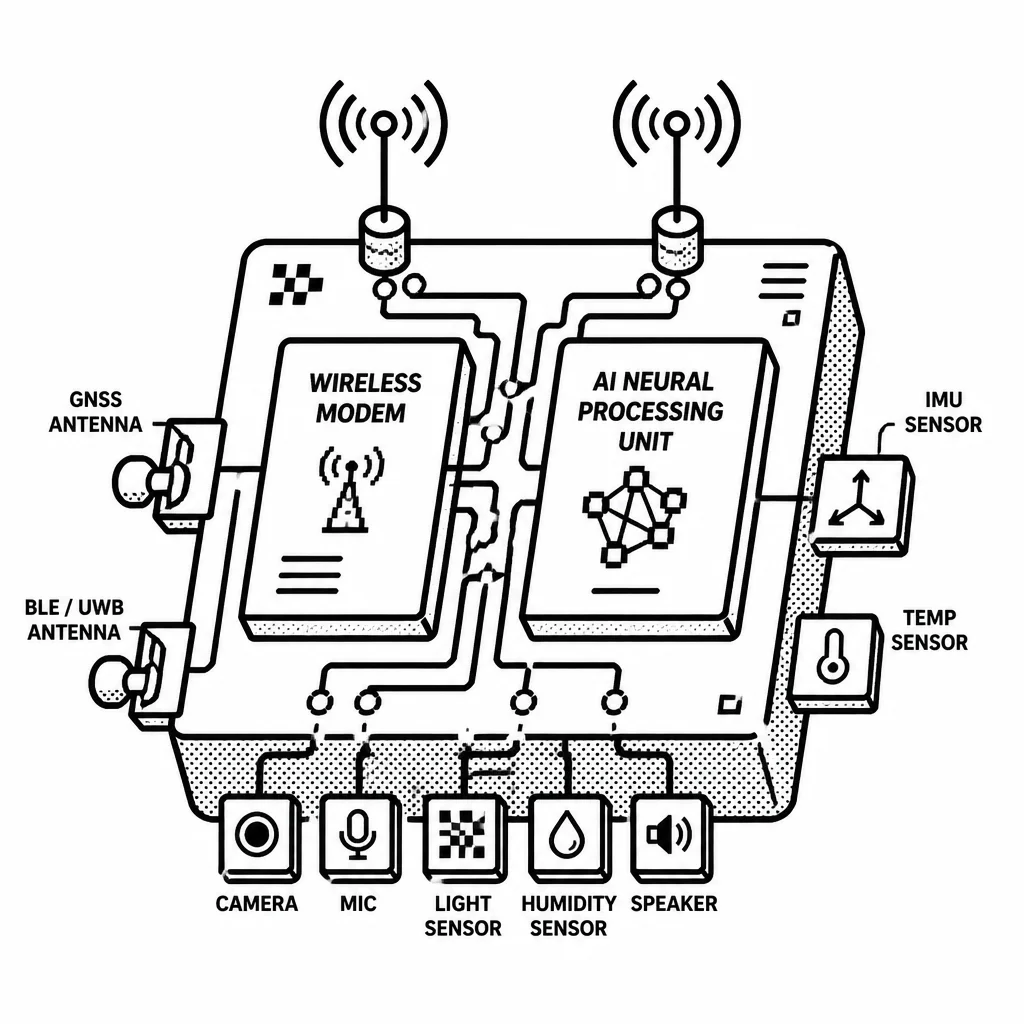
The business model is straightforward. A customer like a smartphone chip designer or a car-parts maker pays CEVA for the right to use its technology, often with an upfront license fee, and then pays a small royalty every time a chip containing CEVA's design ships. This royalty stream is the crown jewel: CEVA gets paid again and again without having to manufacture anything. Its core strength is in wireless connectivity — Bluetooth and Wi-Fi designs — and in audio and voice processing, plus sensor-fusion software that helps robots and cars figure out how they're moving. CEVA sits in a tough neighborhood. It competes with giant rivals like Arm Holdings in processor cores, and with a crowded field of wireless-IP specialists. Its customers and partners include large chip companies such as Qualcomm and NXP Semiconductors, and its technology shows up in everything from earbuds to cars to industrial equipment. The edge CEVA tries to press is specialization: it bundles the radio, the audio, and the motion-sensing software together, so a customer can get a tested, working package rather than assembling five pieces from five vendors.
It is a modestly sized company, and its fortunes rise and fall with the chip cycle and with how fast new wireless standards like Bluetooth and Wi-Fi upgrades get adopted. The real prize is the internet of things — billions of cheap, connected gadgets, each carrying a tiny royalty. CEVA is a pure-play bet on that world: it lives or dies by whether the next wave of smart devices needs its designs inside them, and by whether it can keep signing enough licensees to keep the royalty river flowing.
Saved answer · last researched 17 Nov 2026