Understand any stock in simple English
Enter a ticker to learn what the company does and how it makes money.
Cenergy Holdings SA
Cenergy Holdings makes the metal products and cables that carry power and data around the world.
Cenergy Holdings is the company behind the copper and aluminium cables and steel pipes that quietly hold up modern life. When a power grid needs new transmission lines, a wind farm needs to connect to shore, or an oil and gas company needs a pipeline, Cenergy's factories make the physical stuff that does the job. It sells worldwide, and its customers are mostly utilities, energy companies, and construction firms that need huge volumes of metal done right.
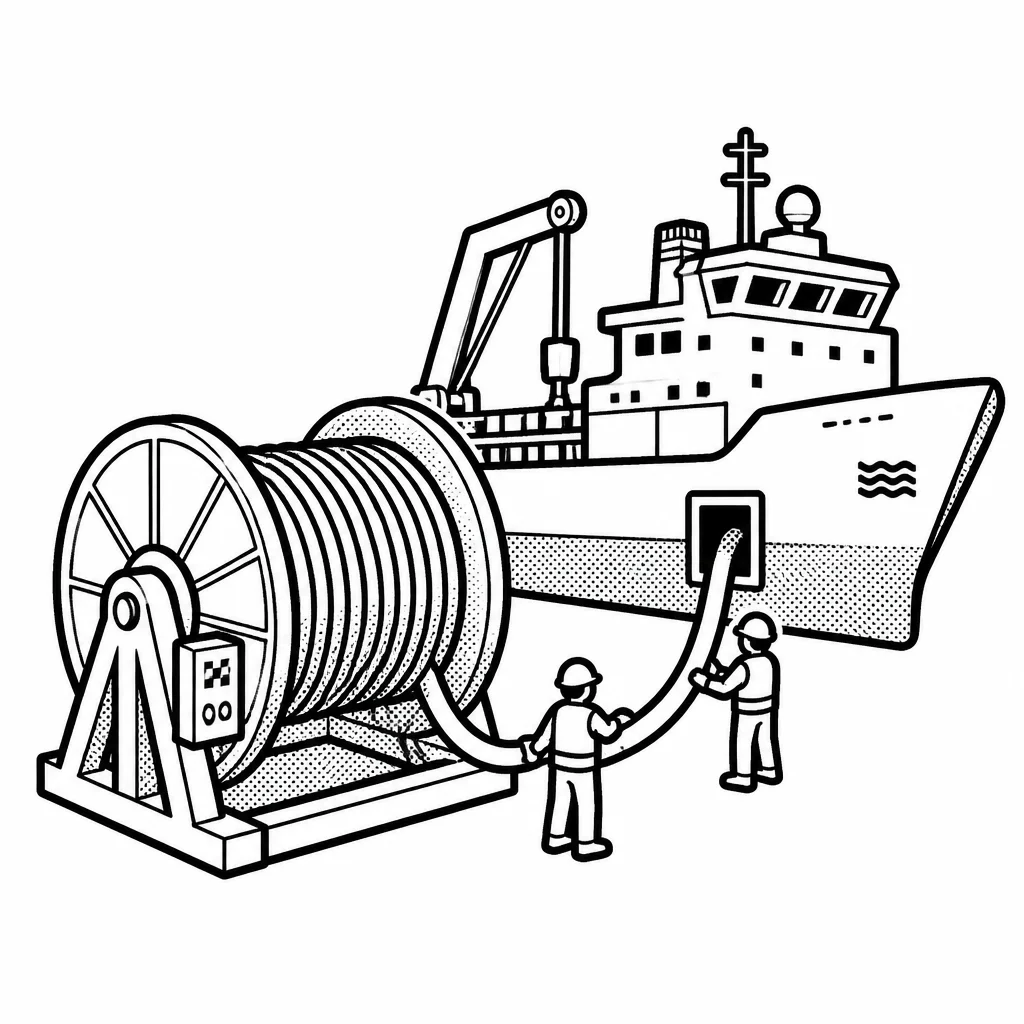
The business has two main parts. One makes cables, the copper and aluminium wires that move electricity and data from place to place. The other makes steel pipes, the thick tubes used to carry oil and gas, often under the sea. The pipes business is tied to oil and gas spending, which rises and falls with energy prices. The cables business is tied to electrification, which has been growing fast as countries build out grids and connect renewable energy projects. That mix matters: one segment can struggle while the other hums along. Its real edge is that making these products is hard and capital-heavy. You need big factories, specialised machinery, and the certification to sell into demanding markets. Not many companies can make submarine cables or the large-diameter pipes used offshore, so Cenergy faces a fairly narrow set of rivals. It is a supplier rather than a brand name — most people never think about it, but the lights and the gas lines depend on companies like this.
Cenergy is listed in Brussels and is majority-owned by a Greek industrial group, which gives it backing but also means minority shareholders own a piece of a company controlled by someone else. The company pays a dividend and reinvests in capacity, since demand for cables and pipes keeps growing as the world rewires its energy system. The big risk is cyclical: if energy companies cut spending, orders slow down. But the long-term electrification trend is a strong tailwind, and that is really the story here — a metal-and-cable maker sitting in the middle of the energy transition.
Saved answer · last researched 15 Nov 2026