Understand any stock in simple English
Enter a ticker to learn what the company does and how it makes money.
CCL Industries Inc.
CCL Industries makes labels, packaging, and specialty films that go on products sold by consumer, healthcare, and industrial companies.
CCL Industries is the company behind a lot of the sticky stuff you barely notice. When you pick up a shampoo bottle, a soda can, a medicine bottle, or a package of food, there's a good chance the label on it came from CCL. The company makes labels, packaging, security features like tamper-evident seals and RFID tags, and specialty films — the thin materials that go into all sorts of products. It sells mostly to big consumer brands, healthcare companies, and industrial manufacturers, and it earns money by selling them these printed and functional materials at scale.
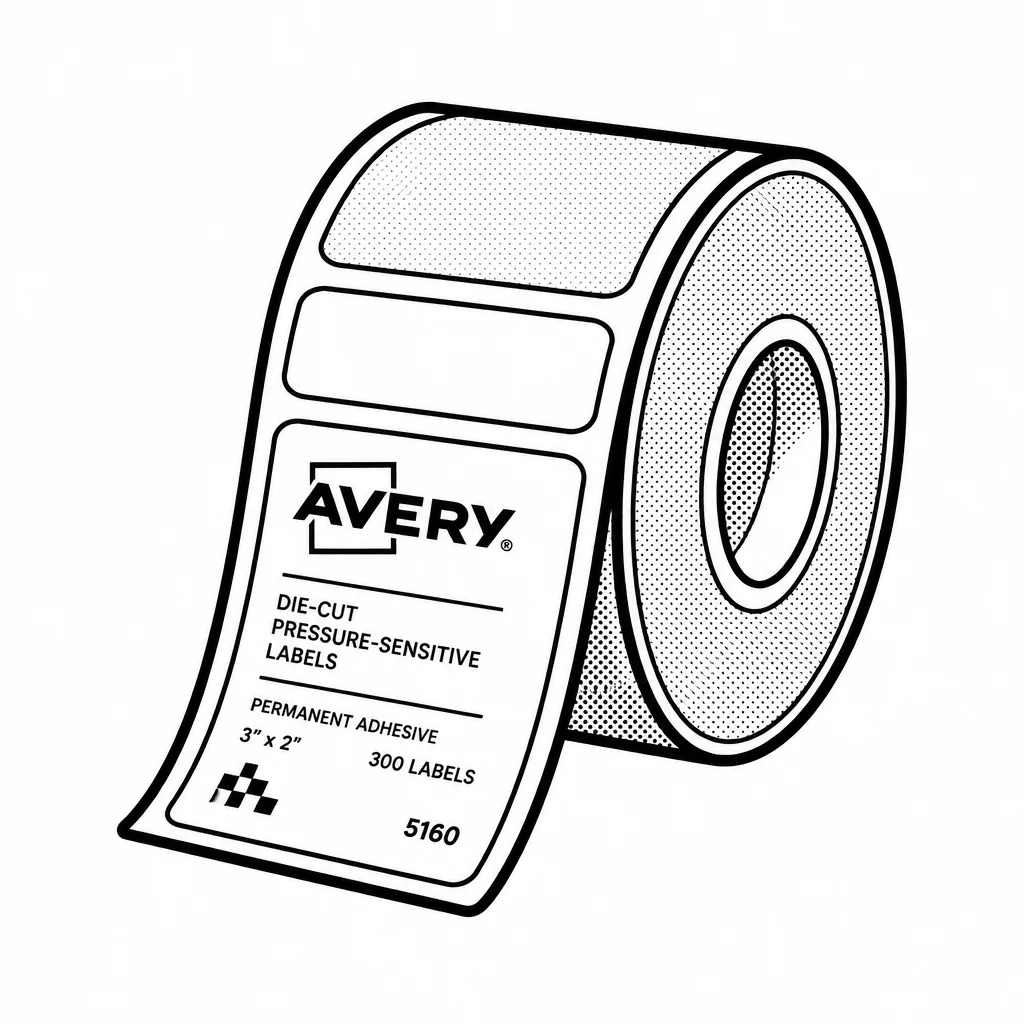
The everyday magic is simple: a label has to survive a trip through a bottling plant, a truck, and a grocery store shelf without peeling, smudging, or fading. CCL has spent decades perfecting that. The company grew steadily through acquisitions, buying up label makers and packaging businesses around the world so it could serve multinational customers locally in many countries. That global footprint is a real edge — a big brand wants one supplier who can print the same label in Toronto, Mumbai, and São Paulo with consistent quality. The business has shifted over time. Traditional label printing is steady but low-growth, so CCL has pushed into higher-value areas: security and authentication products (the stuff that helps prove a medicine is genuine), aluminum aerosol cans, and specialty films for healthcare and electronics. Those areas tend to carry better margins and more technical know-how. CCL also owns Avery, the well-known office and consumer label brand sold in stores, which gives it a direct-to-consumer channel alongside its business-to-business work.
CCL is headquartered in Toronto and listed on the Toronto Stock Exchange. It's a quiet, reliable compounder — the kind of company that doesn't grab headlines but keeps generating cash and buying up smaller rivals. It pays a modest dividend and uses its free cash flow to make acquisitions, which is how it has grown from a regional label printer into a global packaging player. The main risk is that it depends on big consumer brands, so a long slump in packaged goods or a shift away from physical retail could slow it down. But labels aren't going away anytime soon.
Saved answer · last researched 15 Nov 2026