Understand any stock in simple English
Enter a ticker to learn what the company does and how it makes money.
Coca-Cola HBC AG
Coca-Cola HBC bottles and sells Coca-Cola drinks and other beverages to shops, restaurants, and people across Europe and Africa.
Coca-Cola HBC is a bottler. It does not invent the drinks or own the famous recipe. Instead, it takes syrup and concentrates from The Coca-Cola Company, turns them into cans and bottles at its own factories, and then drives them to supermarkets, corner shops, cafés, and vending machines across its territory. If you buy a Coke in Italy, Greece, Poland, Nigeria, or Switzerland, there is a good chance this company filled and delivered it.
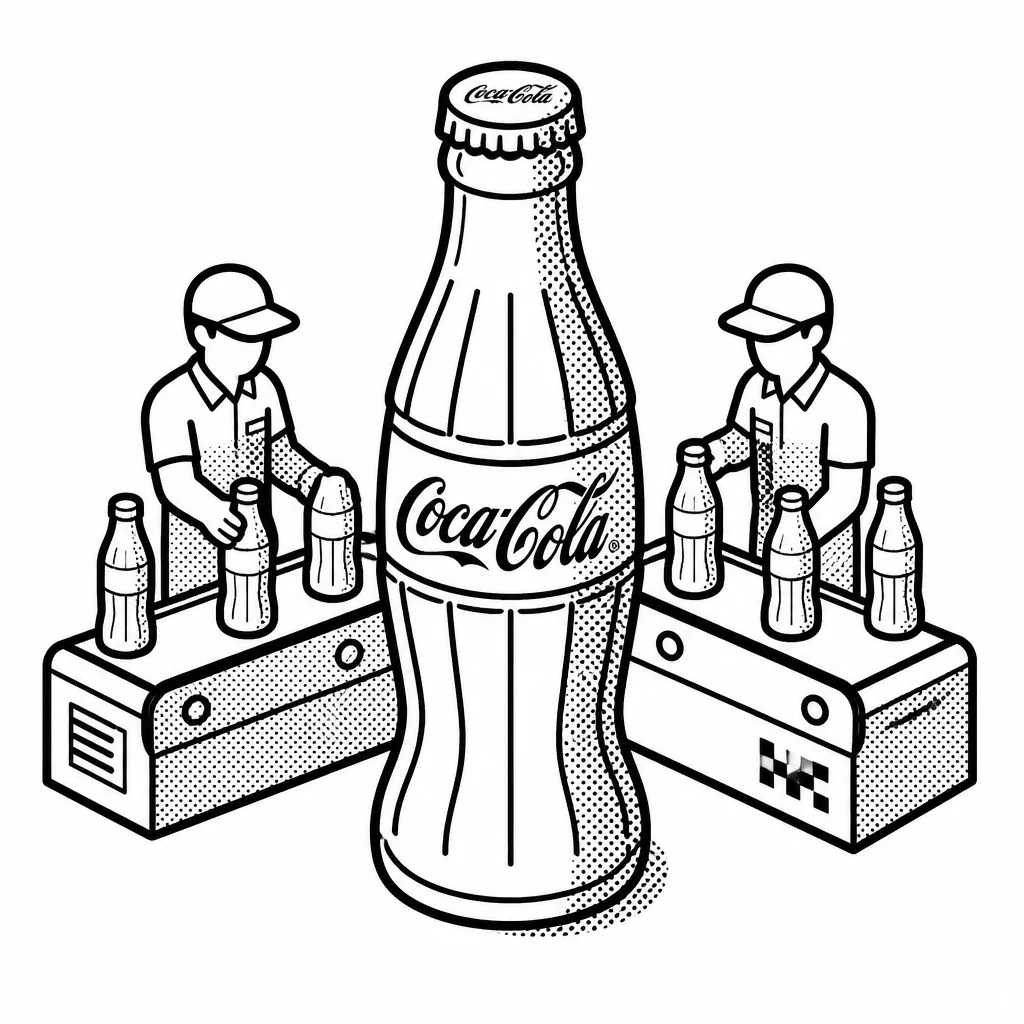
The business runs on volume and logistics. It produces sparkling drinks like Coke, Fanta, and Sprite, plus water, juices, coffee, and energy drinks. Customers are retailers and restaurants, but the real engine is billions of small purchases by ordinary people. The company earns money on the gap between what it costs to make and deliver a drink and what shops and consumers pay for it. Its edge comes from scale: huge factories, dense delivery routes, and being the default supplier in markets where shelf space is fought over. This is a low-margin, high-volume operation, so small changes matter. A hot summer lifts sales of cold drinks; a weak currency or a sudden jump in sugar, packaging, or energy costs squeezes profit. The company has spent years pushing premium and healthier options, like coffee and low-sugar drinks, and expanding in emerging markets where a rising middle class drinks more bottled beverages. That growth is real but comes with risk, because some of those markets have volatile currencies and fragile economies.
Coca-Cola HBC is listed in London and headquartered in Switzerland, a useful base for a business spread across dozens of countries. It generates steady cash and returns much of it to shareholders through dividends, while also investing in new production and buying smaller brands to widen its menu. The relationship with The Coca-Cola Company is both its greatest strength and a constraint: it gets the world's most famous drink brands, but it operates under tight agreements that shape what it can sell and where.
Saved answer · last researched 10 Nov 2026