Understand any stock in simple English
Enter a ticker to learn what the company does and how it makes money.
Companhia Brasileira de Alumínio
CBA is a Brazilian aluminum producer that mines bauxite, refines it into alumina, smelts aluminum, and sells finished aluminum products like sheets, coils, and extrusions to packaging, automotive, construction, and consumer goods customers.
Most people never think about aluminum until they hold a soda can, a car part, or a window frame. CBA is one of the companies that makes that metal happen from the ground up. It is a Brazilian aluminum producer, and it does the whole chain: it mines bauxite ore, refines that into alumina, smelts alumina into primary aluminum, and then rolls and shapes the metal into products like sheets, coils, and extruded profiles. Those products end up in beverage cans, auto parts, building materials, and everyday consumer goods.
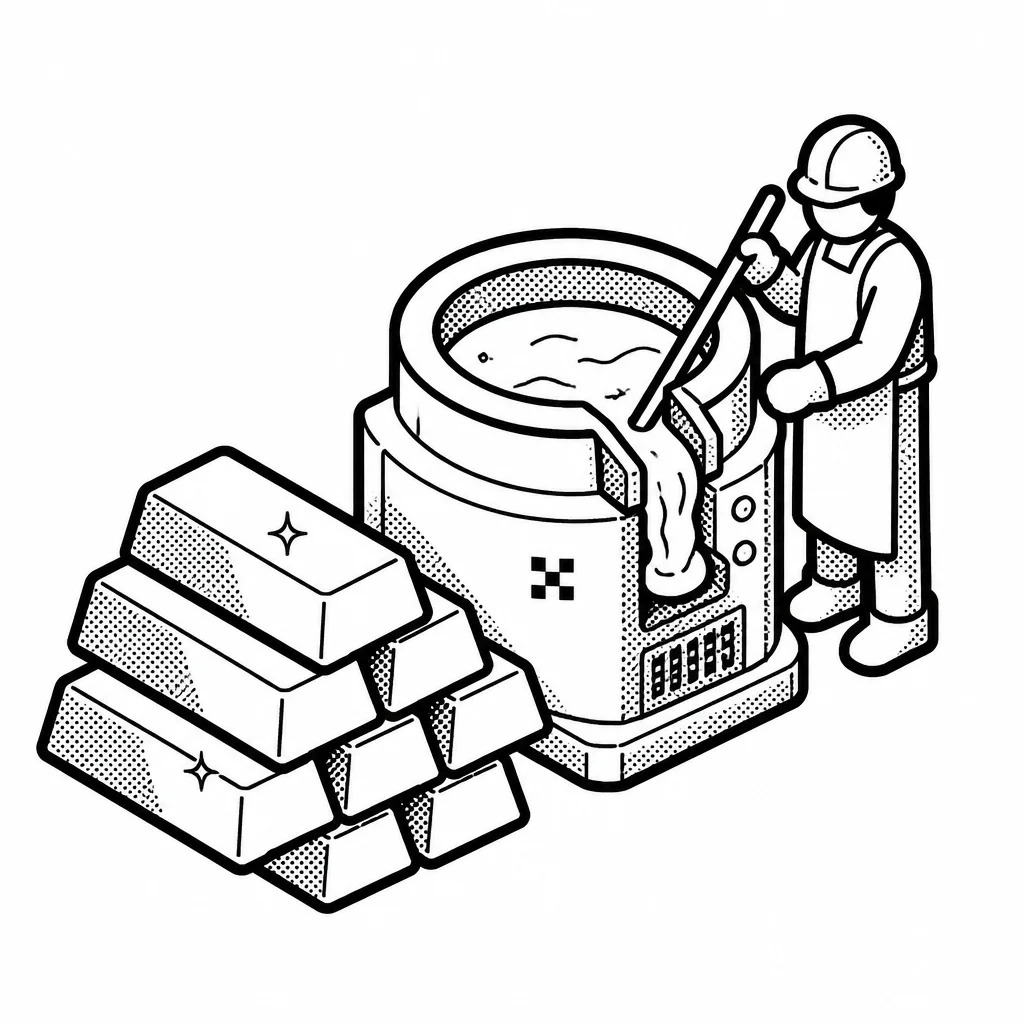
The reason CBA owns the whole chain — from the mine to the finished product — is that aluminum is a brutal business on costs. Smelting aluminum takes enormous amounts of electricity, and the raw material prices swing wildly. By controlling its own bauxite and alumina, CBA protects itself from being squeezed by suppliers and gives itself a cost edge over rivals that must buy their inputs on the open market. That vertical integration is the core of the investment case: it makes CBA one of the lower-cost producers in a commodity industry where the low-cost producer survives downturns. The biggest vulnerability is exactly what makes aluminum attractive: it is a commodity, so CBA sells at global market prices it cannot control. When aluminum prices fall or energy costs spike, profits can vanish fast. The company also competes with much larger global players, and its results are exposed to Brazilian currency swings and global trade policy. On top of that, aluminum is energy-hungry and carbon-intensive, so pressure to decarbonize is a real long-term cost and a strategic issue for the entire industry.
What makes CBA interesting beyond the commodity story is its bet on the greener side of aluminum. Recycled aluminum uses a tiny fraction of the energy needed to make new metal, and CBA has been investing in recycling capacity to serve customers — especially packaging and automotive buyers — who increasingly want low-carbon metal. That is a smart hedge: it turns a commodity producer into something closer to a solutions provider for customers with sustainability targets. The company also pays out cash to shareholders and has worked to keep its balance sheet manageable after its spin-off from the Votorantim group, which is the family conglomerate that long controlled it. In short, CBA is a full-chain aluminum business that wins on cost and integration, but lives and dies with the metal price cycle.
Saved answer · last researched 12 Nov 2026