Understand any stock in simple English
Enter a ticker to learn what the company does and how it makes money.
Catena AB (publ)
Catena owns, builds, leases, and sells large logistics warehouses in Sweden and Denmark, collecting rent from the companies that store and ship goods there.
Catena is a property company for the logistics age. It owns big, boxy warehouses and distribution centers in Sweden and Denmark, and rents them out to companies that move goods — freight firms, retailers, e-commerce players, and manufacturers. If you have ever tracked a package across Scandinavia, there is a decent chance it passed through a Catena building at some point.
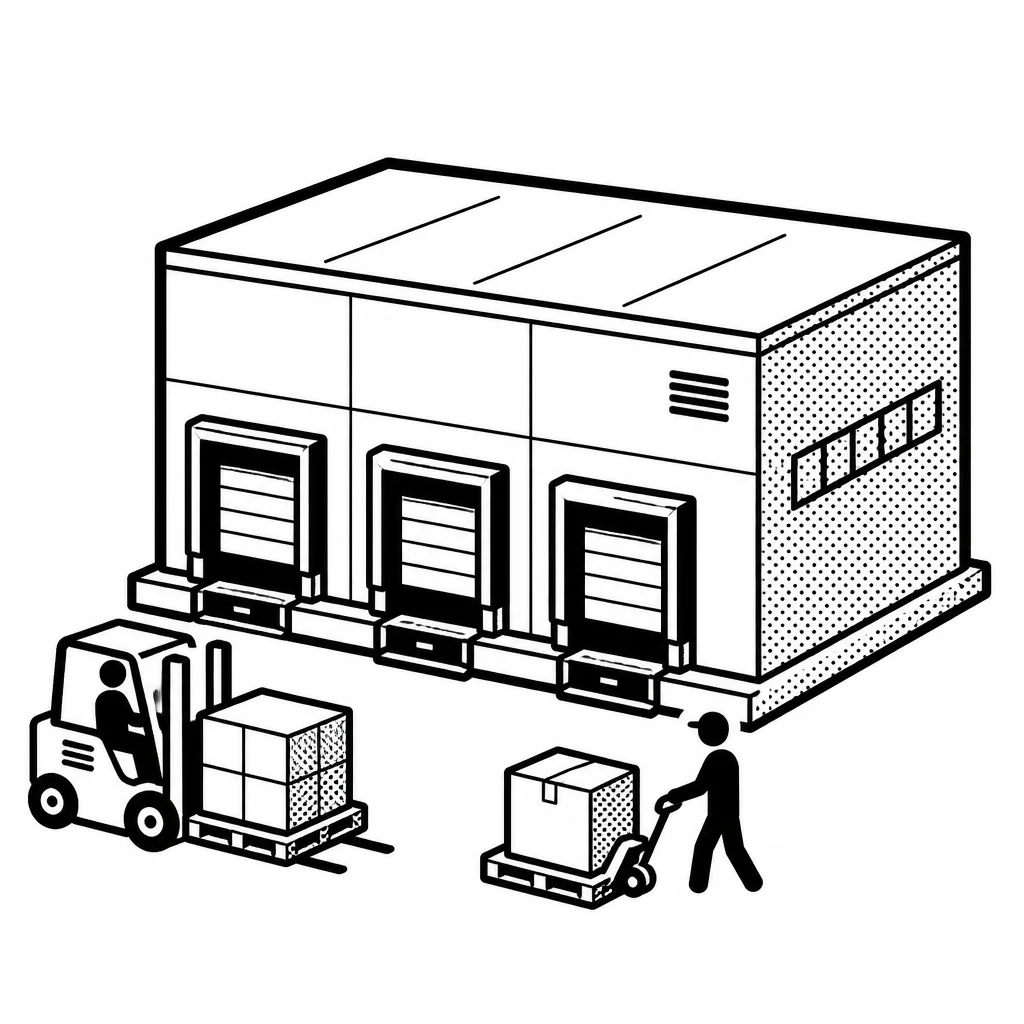
The business model is simple and a bit old-fashioned at heart: buy land, build a large modern warehouse, sign a long lease, and collect rent year after year. What makes it work is location. These buildings sit near highways, ports, and big cities, which is exactly where logistics companies need to be. Good sites are scarce and hard to copy, so tenants tend to stay put, and rents tend to rise over time. Catena develops many of its own buildings rather than only buying finished ones, which lets it earn a development profit on top of the rental income, and it also sells finished properties to recycle capital into new projects. Logistics is a quiet but sturdy corner of real estate. People keep buying things, and goods keep needing somewhere to sit while they travel from factory to front door. That steady demand makes warehouses less glamorous but often more reliable than offices or shopping malls, which are more exposed to how people work and shop. Catena's main risk is the same one every property owner faces: borrowing costs. It funds a lot of its buildings with debt, so when interest rates rise, the math gets tighter and the value of its properties can wobble. It also depends on a relatively small set of large tenants, so losing one matters.
The company is headquartered in Stockholm and trades on Nasdaq Stockholm. It earns money mainly from rent, topped up by gains when it develops and sells buildings. That cash gets used to build more warehouses, pay dividends, and keep debt in check. In short, Catena is a landlord for the machinery of online shopping and global trade — not flashy, but right in the middle of how stuff gets from one place to another.
Saved answer · last researched 12 Nov 2026