Understand any stock in simple English
Cass Information Systems, Inc.
Cass Information Systems processes freight and utility bills for large companies and also runs a small bank.
Cass Information Systems does the boring paperwork that keeps big companies running. When a manufacturer ships goods by truck or rail, it gets a flood of freight bills from dozens of carriers. Cass receives those bills, checks them against the original shipping rates, catches mistakes and overcharges, and then pays the carriers on its customer's behalf. It does the same kind of work for utility bills across thousands of locations. Companies hand Cass this mess because catching even small billing errors across thousands of shipments and buildings adds up to real money, and because Cass can do it cheaper than handling it in-house.
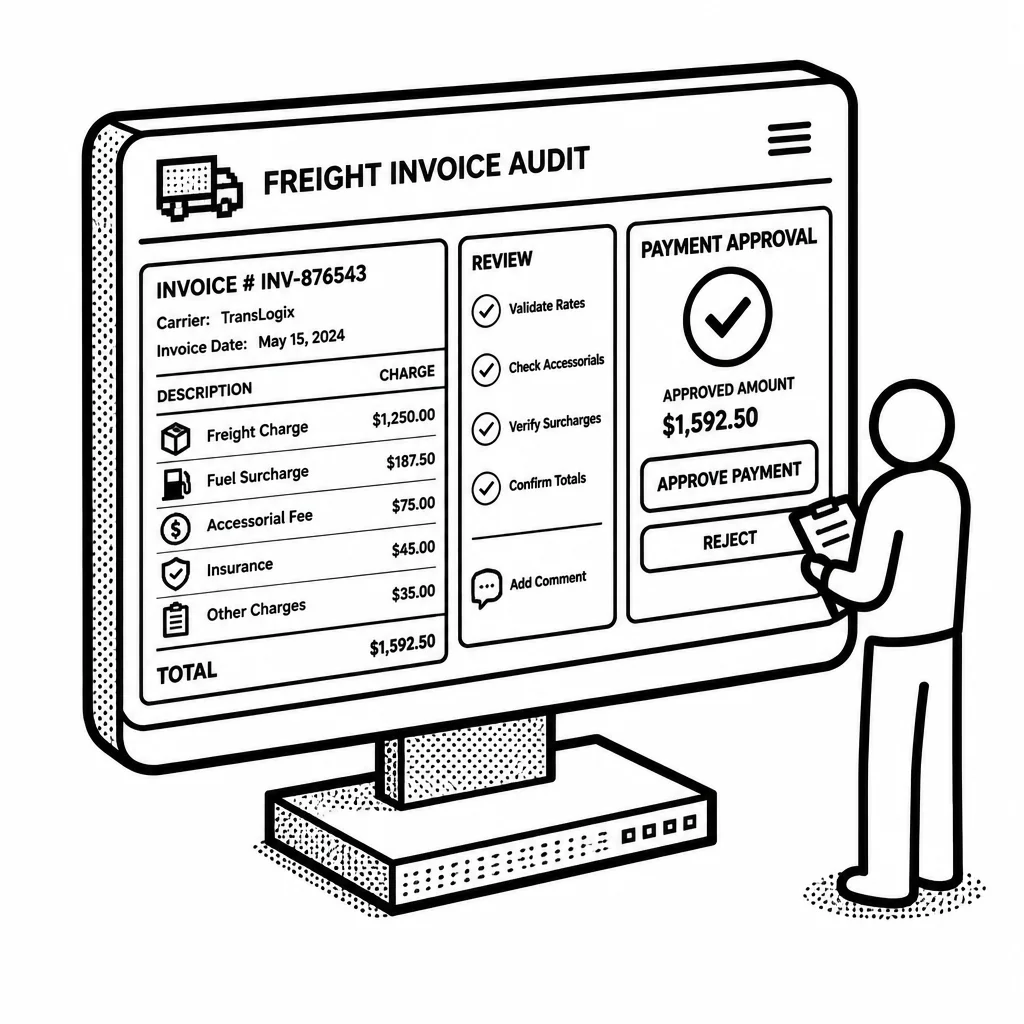
The freight side is the bigger business. Cass acts as a middleman between shippers and carriers: it audits invoices, resolves disputes, and processes payments, earning fees for each transaction it handles. Customers are typically large manufacturers, distributors, and retailers with heavy shipping volumes. Cass also runs a small bank, Cass Commercial Bank, which lends money and provides treasury services, mostly to the same kinds of business customers. The banking arm is a quiet but steady profit source, and its deposits help fund the company's operations. The company is based in St. Louis, Missouri, and it has been around in one form or another since the early 1900s. Its real edge is scale and switching costs: once a big shipper wires Cass into its payment systems and carrier relationships, ripping it out is a hassle, so customers tend to stay. That stickiness shows up in steady revenue and consistent profitability over many years.
Cass is not a high-growth story. Freight volumes rise and fall with the economy, and the business is mature. But it throws off reliable cash, which it uses to pay dividends and buy back its own shares. That combination — a dull, necessary service, loyal customers, and cash returned to owners — is what makes Cass interesting to investors who like simple, steady businesses.
Saved answer · last researched 17 Nov 2026