Understand any stock in simple English
Enter a ticker to learn what the company does and how it makes money.
Singapore Airlines Limited
Singapore Airlines flies passengers and cargo around the world through its Singapore hub, making money from tickets, freight, and add-on services.
Singapore Airlines is the flag carrier of Singapore and one of the world's most respected airlines. It flies people and goods across Asia and to far-flung cities on other continents, using Singapore as its home base and connecting hub. If you live in Singapore or travel through it, this is the airline most likely to carry you to your destination. It also carries cargo in the belly of its passenger planes and in dedicated freighter aircraft, which matters a lot on long-haul routes where fresh produce, electronics, and medicine need to move fast.
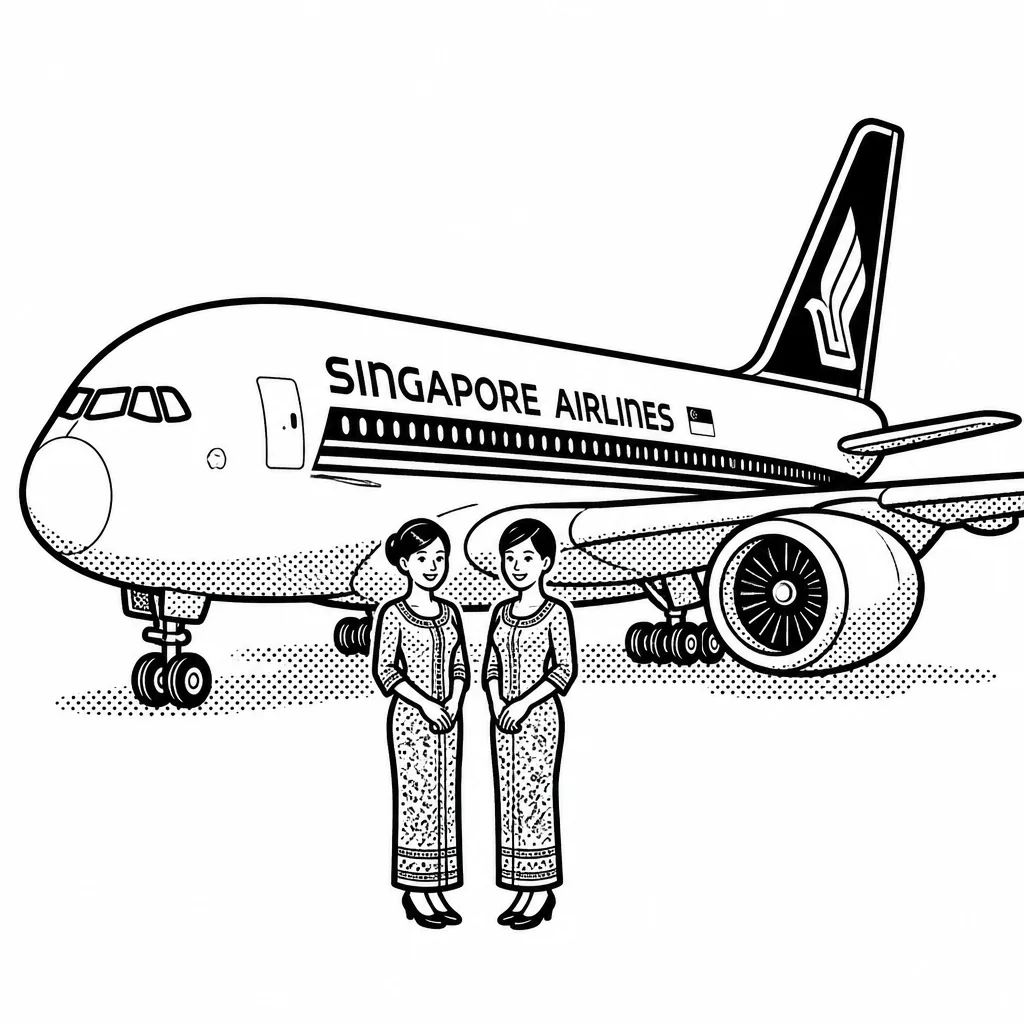
The company makes most of its money selling plane tickets, in two flavors. Its full-service brand, Singapore Airlines, targets business travelers and long-haul leisure passengers with lie-flat seats, fine dining, and a famously polished cabin crew. Its budget arm, Scoot, sells cheap point-to-point fares to cost-conscious travelers around Asia. Cargo adds another income stream, and things like extra baggage, seat selection, and duty-free sales chip in too. Passengers choose Singapore Airlines for its service reputation, its strong safety record, and its huge route network centered on one of the world's busiest aviation hubs. That hub is the quiet superpower. Singapore sits at the crossroads of Southeast Asia, within easy flying range of fast-growing markets like Indonesia, Malaysia, and India, and it is a natural stopping point on routes between Europe and Australia. The airline's long history — it began as part of Malaysia-Singapore Airlines before splitting off in 1972 — built a brand so strong that travelers often pay a premium just to fly it. It competes fiercely with Gulf giants like Emirates and Qatar Airways on long-haul routes, and with Cathay Pacific and other Asian carriers for regional traffic. Budget rivals like AirAsia squeeze Scoot on price.
Airlines are a brutal business: fuel, labor, and aircraft are enormous fixed costs, and a bad year or a pandemic can wipe out years of profit. Singapore Airlines survived Covid by raising billions from shareholders and issuing debt, and it came out leaner. It spends heavily on new, fuel-efficient planes — it was an early customer for the Airbus A350 and the Boeing 787 — because newer jets burn less fuel and cut costs over decades. It also pays dividends when times are good and has bought back shares, returning cash to investors rather than letting it pile up. The bet is simple: own the best hub, fly the best planes, and keep the brand premium strong enough to charge more than rivals.
Saved answer · last researched 12 Nov 2026