Understand any stock in simple English
Enter a ticker to learn what the company does and how it makes money.
BYD Company Limited
BYD builds electric cars and plug-in hybrids, and it also makes the batteries and electronics inside them.
BYD is one of the world's biggest makers of electric cars and plug-in hybrids. Most of the people who buy them live in China, where BYD sells cars under names like the Qin, the Song, and the Seagull — a tiny electric hatchback that costs less than many gas cars and still turns a profit. The company also sells electric buses and trucks, though passenger cars are the heart of the business today.
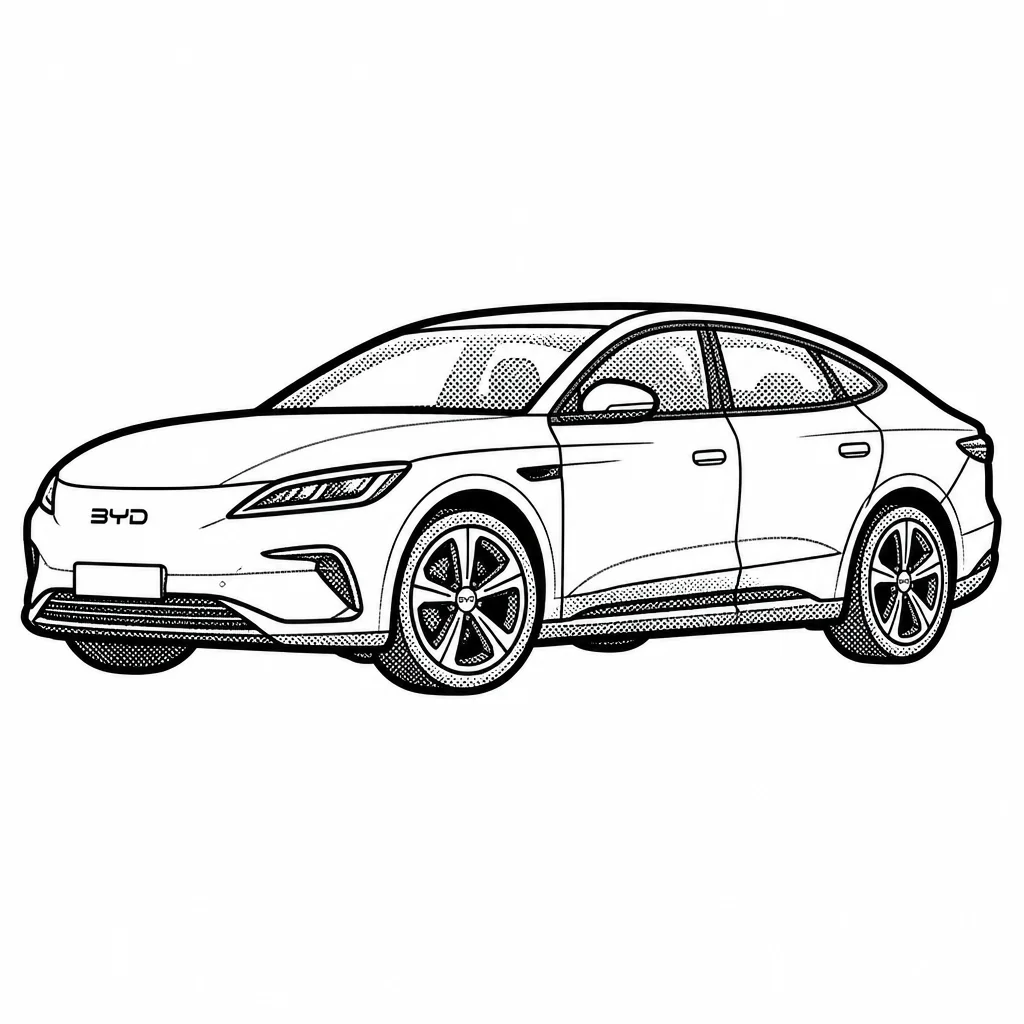
What makes BYD different from most carmakers is that it owns much of the supply chain itself. It started as a battery maker in 1995, and it still builds those batteries — plus the electric motors, the computer chips, and even much of the software. That means when other companies wait for parts, BYD often makes its own. On a straight cost-per-car basis, that self-reliance is a big reason BYD can undercut rivals, especially in China's brutal price war. The car side is now backed up by a massive electronics arm that assembles phones and parts for other brands — the business that actually gave the company its start. BYD has been pushing hard outside China, opening dealerships and selling into Europe, Southeast Asia, Latin America, and Australia, often at prices that worry local rivals. It also builds cars in Thailand, Brazil, and Hungary to dodge import taxes. The company is a fierce competitor, and it is not shy about it. Warren Buffett's Berkshire Hathaway bought a stake in 2008 and held it for years, which put BYD on many Western investors' radar for the first time. The risks are real. The United States and the European Union have put steep tariffs on Chinese electric cars, and politicians in several countries are openly nervous about a low-cost Chinese juggernaut. Back home, BYD has been cutting prices so aggressively that some rivals are bleeding money, and everyone in the industry is watching whether the price war eventually hurts BYD's own margins. It is also spending heavily on new factories, ships to carry cars overseas, and its own battery plants — a lot of cash going out the door before the payoff arrives.
Timeline
Wang Chuanfu Starts BYD
In the mid-1990s, Wang Chuanfu was working at a research institute when he noticed something: Japanese battery makers were moving upmarket, leaving the simple nickel-cadmium battery business behind. He saw an opening. He moved to Shenzhen with his cousin and started a company to make those rechargeable batteries, putting in about 2.5 million yuan of capital.
Cheap Hands Beat Robots
Making batteries in Japan meant expensive automated machines. BYD did it with lots of workers instead, and that simple choice cut the cost of each battery by roughly five or six times. Soon the company was making lithium-ion batteries too, the first Chinese firm to mass-produce them, and before long it was the world's biggest maker of nickel-cadmium batteries.
BYD Lists in Hong Kong
With the battery business humming, BYD sold shares to the public in Hong Kong and raised money to grow. It told investors it aimed to become the world's second-largest battery company. The listing gave it cash and a public profile, and it started looking for bigger things to do with both.
BYD Buys a Car Company
Right after going public, BYD bought a small Chinese automaker called Xi'an Qinchuan. The plan was not really to sell gasoline cars; it was to learn how to build electric ones. Investors were not happy, because the company had not mentioned this car idea when it was raising money. It was a strange, risky turn for a battery maker.
The F3DM Plug-In Hybrid
BYD showed off a car called the F3DM, the first mass-produced plug-in hybrid anyone could actually buy. It could drive about 100 kilometers on electricity alone before its small gasoline engine took over. That proved the company's battery obsession could work in a real car, at real scale.
Buffett Buys a Stake
Then came the surprise that changed everything. Warren Buffett's company put about $230 million into BYD, and suddenly the world paid attention to this little battery-and-car outfit from Shenzhen. The stock went wild, climbing more than nine times in a little over a year. Buffett's nod was a stamp of approval that money alone could not buy.
The Painful Hangover
The good times did not last. BYD listed its shares in mainland China too, but its profits collapsed, down almost 90 percent in a single half-year. The stock sank below its offering price within months, and a huge chunk of market value simply vanished. Investors who had chased the Buffett glow started to doubt the company.
The Darkest Moment
For three years in a row, BYD's profits shrank. By 2019 the company was earning a small fraction of what it once did, and Wang Chuanfu called it the darkest moment. The only goal was survival. Yet even then, he refused to stop spending heavily on research and development, betting that the future would reward the company that kept building.
The Blade Battery Arrives
That bet paid off in a big way. BYD launched the Blade Battery, a battery designed to be much safer, tackling the fear that electric car batteries could catch fire. It went into every BYD passenger car, and the company even started selling the battery to other automakers. The research spending of the dark years had turned into a real weapon.
BYD Stops Making Gas Cars
In a move that stunned the industry, BYD announced it would stop making pure gasoline-engine cars completely. It was the first major automaker to commit to an all-electric future. From then on, every car it built would be electric or plug-in hybrid, and all its resources pointed one way.
BYD Beats Tesla
The bet on electric cars finally paid off at the very top. BYD outsold Tesla to become the world's biggest seller of pure electric vehicles, with full-year sales reaching about 4.6 million cars. It also passed SAIC Motor to become the top-selling automaker in China overall. The battery maker from Shenzhen was now the global champion.
Going Global in a Big Way
BYD kept pushing outward. Overseas sales more than doubled in a single month, and by the end of the year abroad had become a huge part of the business, along with premium brands making up a bigger share. Its fast-charging network was turning a technology advantage into something customers could actually feel, as the company took its electric cars to the world.
The story so far is a rare one: a battery company that quietly turned itself into a carmaker and then became the world's largest seller of electric vehicles, ahead of Tesla by volume. Whether it can repeat that success outside China — where trust in Chinese brands is thinner and tariffs are rising — is the question that will decide how big BYD ultimately gets.
Saved answer · last researched 7 Nov 2026
BIG PICTURE
BYD now sells more electric cars worldwide than Tesla does
- 14.5% BYD
- 11.3% Tesla
- 74.2% Others
In the global market for electric cars, BYD took 14.5 percent of sales, moving ahead of Tesla at 11.3 percent. That is a striking flip for a company that started out making batteries, and it shows how far its own-brand cars have spread. BYD also builds the batteries and electronics inside them, so each car sold pulls more of the value into the company. Source: Nikkei survey reported by Reference News, data from 2025