Understand any stock in simple English
Enter a ticker to learn what the company does and how it makes money.
Black Stone Minerals, L.P.
Black Stone Minerals owns oil and gas mineral rights and collects royalty payments when energy companies drill on that land.
Black Stone Minerals is a company that owns the rights to what sits underneath millions of acres of American land — the oil and natural gas buried there — and gets paid when other companies pump it out. It doesn't drill wells or run rigs itself. Instead, it signs leases with energy producers, and whenever those producers pull oil or gas from the ground, Black Stone collects a slice of the revenue. That's the whole business: own the dirt, let someone else do the expensive, risky work, and cash royalty checks.
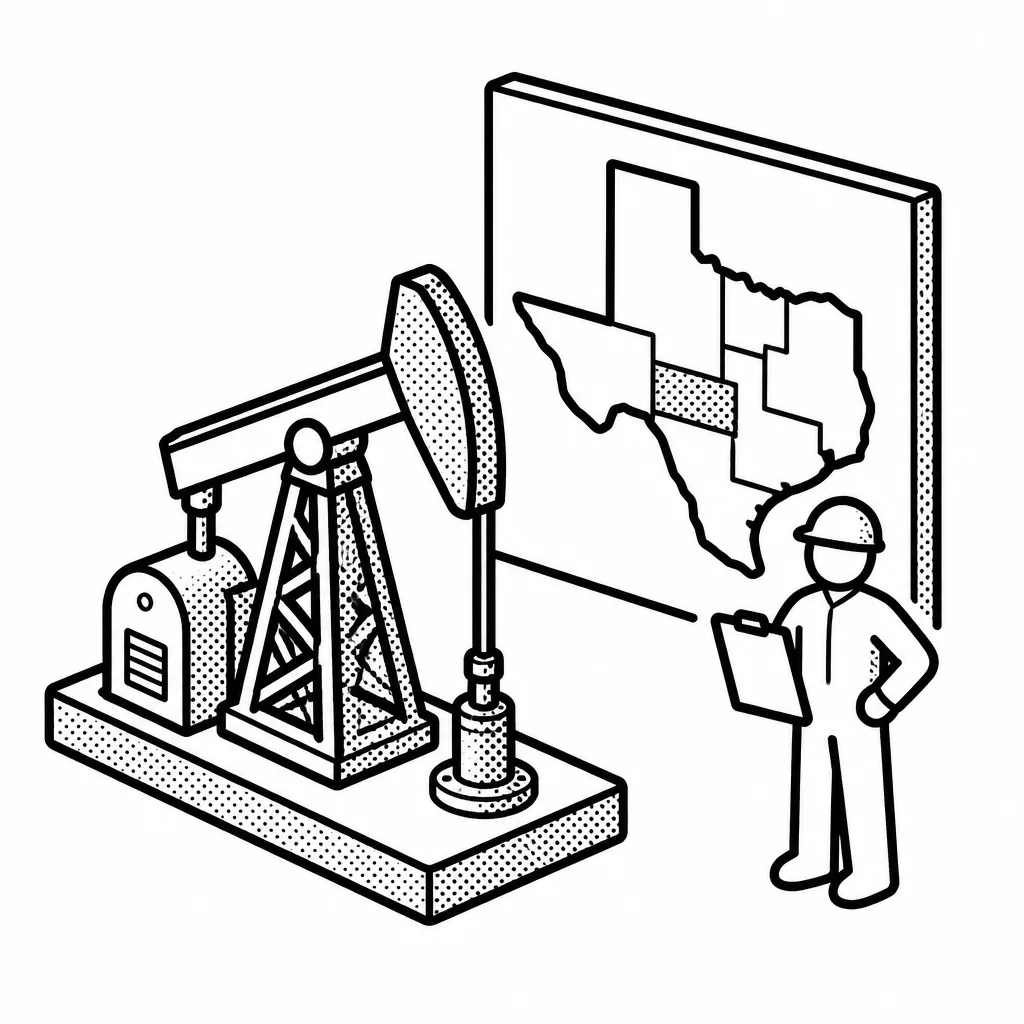
The key idea is the mineral estate. In the US, property rights can be split: one person can own the surface of a piece of land, while someone else owns the minerals beneath it. Black Stone built a huge portfolio of these mineral rights, concentrated in places like the Haynesville shale in East Texas and Louisiana, the Bakken in North Dakota, and the Permian Basin. The producer pays all the drilling costs; Black Stone just receives its share. That keeps its own costs tiny — no rigs, no crews, no billion-dollar wells. That setup makes the business wonderfully simple and profitable, but it also swings with energy prices. When oil and gas prices are high and drillers are busy, royalty checks swell and Black Stone's revenue climbs. When prices crash, producers slow down and the money dries up. The company also relies on a relatively small number of big producers who operate on its acreage, so a pullback from a major partner can sting. It does hedge some of its production to smooth out the price rollercoaster.
Because it's structured as a limited partnership, Black Stone is built to hand most of its cash straight to its owners, which is why it pays a hefty distribution to unitholders. The tradeoff is that partnership tax rules are more complicated for investors than owning ordinary shares. Its edge comes from owning scarce, hard-to-replicate mineral rights across prime US oil and gas country — and from the fact that it takes no drilling risk. When energy is flowing, it's a quiet royalty machine; when prices slump, it's a reminder that the company's fortunes ride on other people's drilling decisions.
Saved answer · last researched 15 Nov 2026