Understand any stock in simple English
Enter a ticker to learn what the company does and how it makes money.
PT Bank Syariah Indonesia Tbk
Bank Syariah Indonesia is an Islamic bank that takes deposits and lends money using Sharia-compliant finance, serving regular people, small businesses, and big companies across Indonesia.
Bank Syariah Indonesia is the biggest Islamic bank in Indonesia, and it works a lot like a normal bank except for one big difference: it follows Sharia rules. That means no charging interest on loans, no gambling, no alcohol or tobacco financing, and no pure speculation. Instead of interest, the bank earns money through profit-sharing arrangements, fees, and buying and selling goods at a markup. Customers use it for everyday things like savings accounts, debit cards, home and car financing, and business loans — all built to fit Islamic law.
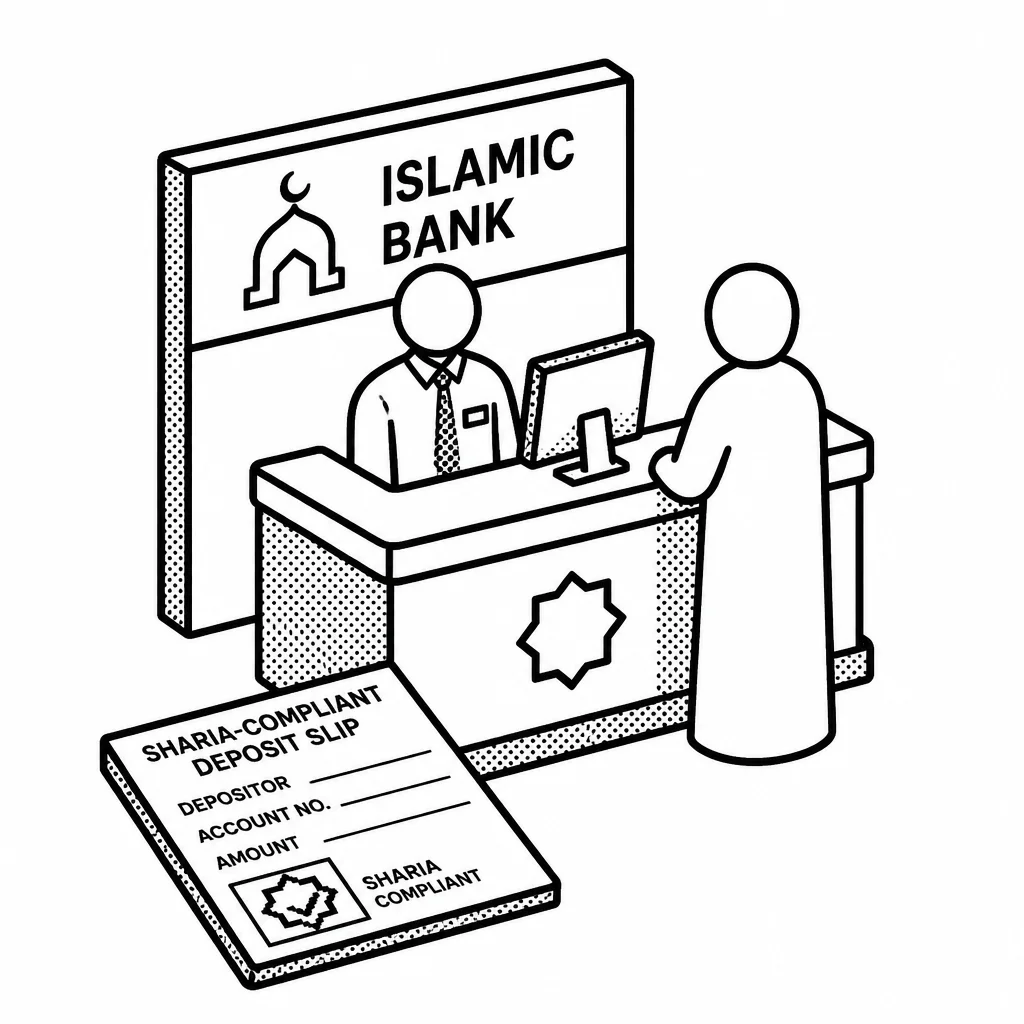
Why does that matter? Indonesia is the world's largest Muslim-majority country, with roughly 240 million Muslims, and for a long time many of them wanted banking that matched their faith. Bank Syariah Indonesia was created in February 2021 by merging three state-owned Islamic banks — BRI Syariah, Mandiri Syariah, and BNI Syariah — into one large institution. That merger turned a scattered collection of mid-sized Islamic banks into a single player big enough to compete seriously, and it is now the largest Islamic bank in Indonesia by assets. The bank serves several kinds of customers: regular individuals saving and taking out mortgages or car financing; small and medium businesses that need working capital; and larger corporate and institutional clients who want Sharia-compliant cash management, trade finance, and financing. Its main rivals are the Islamic windows and units of Indonesia's big conventional banks, such as Bank Central Asia, Bank Rakyat Indonesia, and Bank Mandiri, which also offer Sharia products, plus smaller standalone Islamic banks.
One thing worth knowing: this is mostly a deposit-and-lending business, so its health depends heavily on Indonesia's economy, interest-rate conditions, and how well it manages credit risk. Islamic banking is still a small slice of Indonesia's overall banking market, which means there is plenty of room to grow — but also the challenge of competing against much bigger conventional banks. The bank's shares trade publicly, and its main shareholder is the Indonesian state through Bank Mandiri, BRI, and BNI, giving it deep ties to the government's push to grow Islamic finance.
Saved answer · last researched 12 Nov 2026