Understand any stock in simple English
Enter a ticker to learn what the company does and how it makes money.
Bonheur ASA
Bonheur ASA is a Norwegian holding company that owns wind farms, offshore wind service vessels, and ocean cruise ships through its subsidiaries.
Bonheur is a Norwegian holding company that owns a collection of businesses tied to two big things: clean energy at sea and travel on it. Through its subsidiary Fred. Olsen Renewables, it builds and runs wind farms on land and offshore, mostly in Norway and the UK. Through Fred. Olsen Windcarrier, it owns and operates specialized ships that install and maintain offshore wind turbines — the kind of vessel that can lift a giant blade into place far out at sea. And through Fred. Olsen Cruise Lines, it sells ocean cruises to travelers, mostly British customers, on a small fleet of ships.
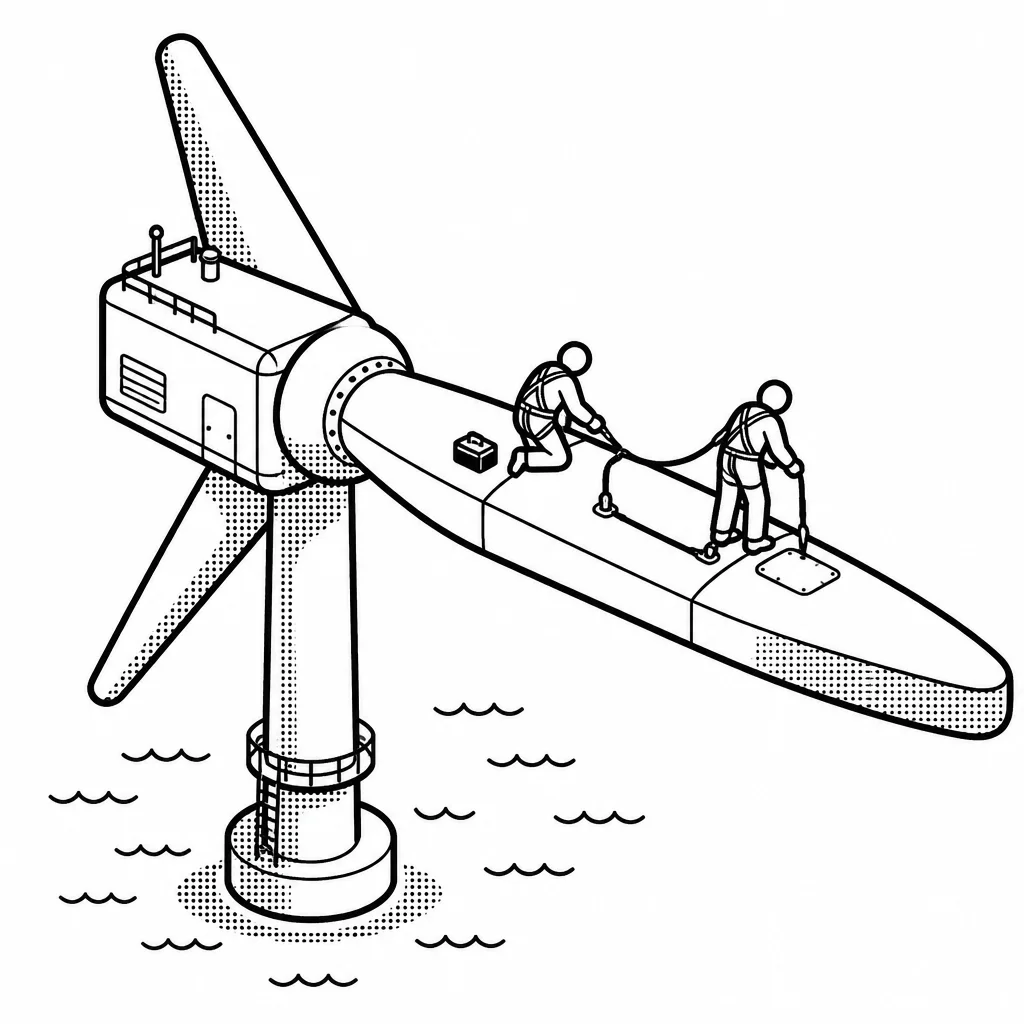
The logic holding these pieces together is cash flow. The wind farms sell electricity under long-term contracts, which produces steady, predictable income. The wind-service ships earn day rates from developers who need to build and fix turbines, so they ride the boom in offshore wind. The cruise line is the cyclical, people-facing piece: it fills cabins during good times and bleeds when travel stops, as it did during the pandemic. The company also holds a stake in Hafnia, a large product tanker operator, adding shipping exposure to its energy mix. What makes Bonheur notable is that it sits inside the Fred. Olsen family sphere — a Norwegian shipping and industrial dynasty that dates back to the 1800s. The family controls the company, which means decisions tend to be made for the long haul rather than the next quarter. That shows up in how capital gets deployed: money goes into building out renewable projects and buying vessels, with dividends and buybacks as secondary priorities. It is a patient-owner kind of business, not a quarterly-earnings one.
The main risks are straightforward. Offshore wind has hit a rough patch globally — rising interest rates, supply-chain costs, and project cancellations have slowed the pace of new construction, which directly affects demand for installation vessels. Cruise lines remain exposed to fuel prices, health scares, and consumer confidence. And because Bonheur is a holding company, investors value it partly as a sum of its parts, so the stock can trade at a discount to what the underlying businesses might be worth on their own.
Saved answer · last researched 14 Nov 2026