Understand any stock in simple English
Enter a ticker to learn what the company does and how it makes money.
Brenntag SE
Brenntag buys chemicals and ingredients in bulk and resells them in the smaller amounts that thousands of businesses need to make their products.
Brenntag is the middleman of the chemical world. It buys chemicals and ingredients in huge tankers and truckloads from the big producers, then breaks them down and delivers them in the smaller quantities that factories, food makers, drug companies, and water plants actually need. Nobody really wants to call a giant chemical plant to order one drum of a special solvent — Brenntag does that job, and it does it across most of the world.
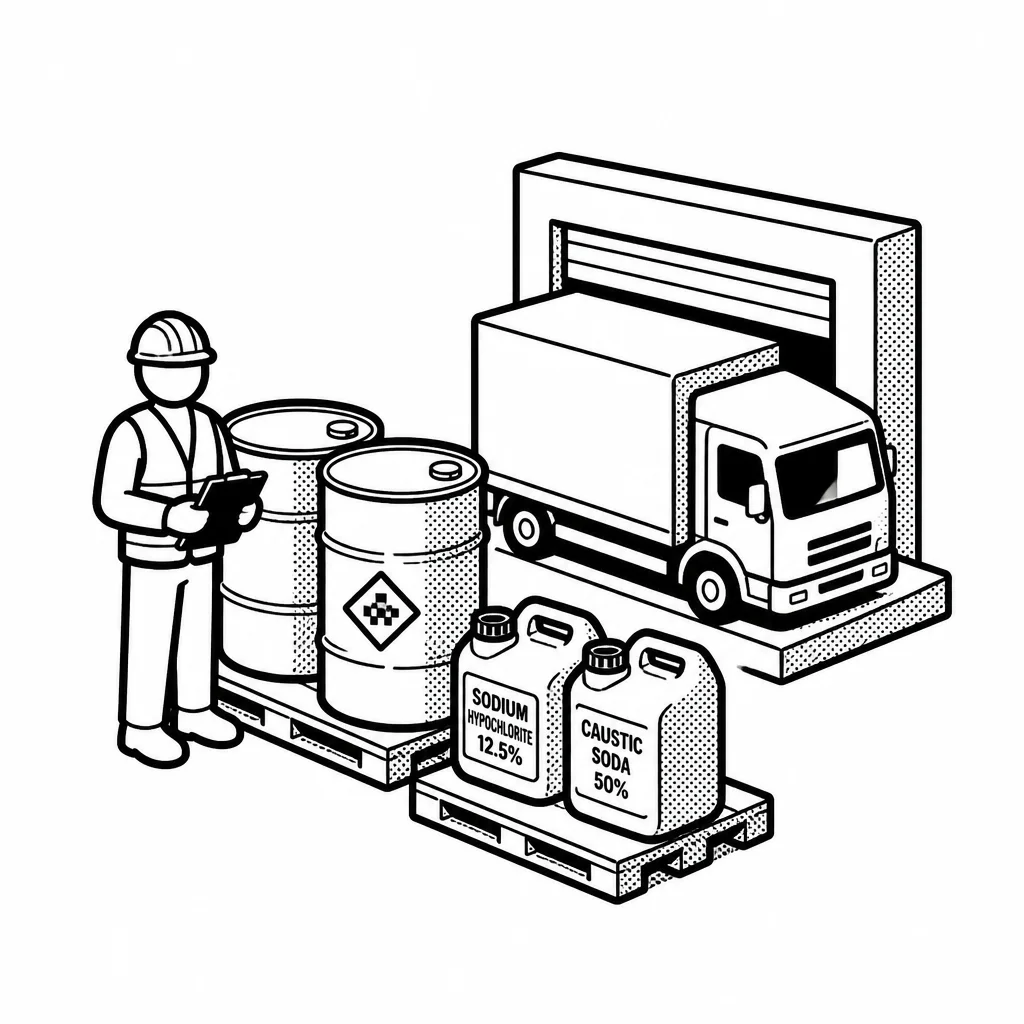
The business runs on two engines. One is industrial chemicals: the solvents, acids, and other workhorse stuff that go into paints, plastics, cleaning products, and manufacturing. The other is ingredients — the flavors, vitamins, proteins, and specialty compounds that end up in food, animal feed, cosmetics, and medicines. The ingredient side tends to earn fatter margins because the products are more specialized and customers care more about getting exactly the right thing. Brenntag makes its money on the spread between what it pays producers and what it charges customers, plus the value of holding stock locally and delivering fast. That last part is the real moat. A customer who runs out of a critical ingredient can have a production line stop, so reliability matters more than shaving a few cents off a drum. Brenntag keeps warehouses and trucks close to customers and offers things like blending, mixing, and quality testing, which turns a commodity trade into a sticky service. Its main rivals are other big distributors such as Univar Solutions — though that company was taken private — and a long tail of smaller regional players.
The catch is that this is a thin-margin, scale business. Chemical prices swing, and when they fall, Brenntag's revenue falls with them even if volumes are fine, because it is essentially passing product through at a markup. It is also exposed to industrial demand, so a weak manufacturing economy hurts. The company spends its cash on dividends and on buying up smaller distributors to grow its footprint, a roll-up strategy that has worked for years. In short: unglamorous, essential plumbing for the world's factories — the kind of business that quietly touches almost everything you buy.
Saved answer · last researched 12 Nov 2026