Understand any stock in simple English
Enter a ticker to learn what the company does and how it makes money.
Birkenstock Holding plc
Birkenstock makes and sells footbed-based sandals and shoes, plus some skincare and accessories, to customers and retailers around the world.
Birkenstock makes shoes that are built around a contoured cork-and-latex footbed, the molded insole that supports the arch and molds to your foot over time. Most people know the brand for its open-back sandals, but it also sells closed-toe shoes and, more recently, skincare and accessories. Shoppers buy directly through Birkenstock's own stores and website, and retailers buy wholesale to stock the shoes in their shops.
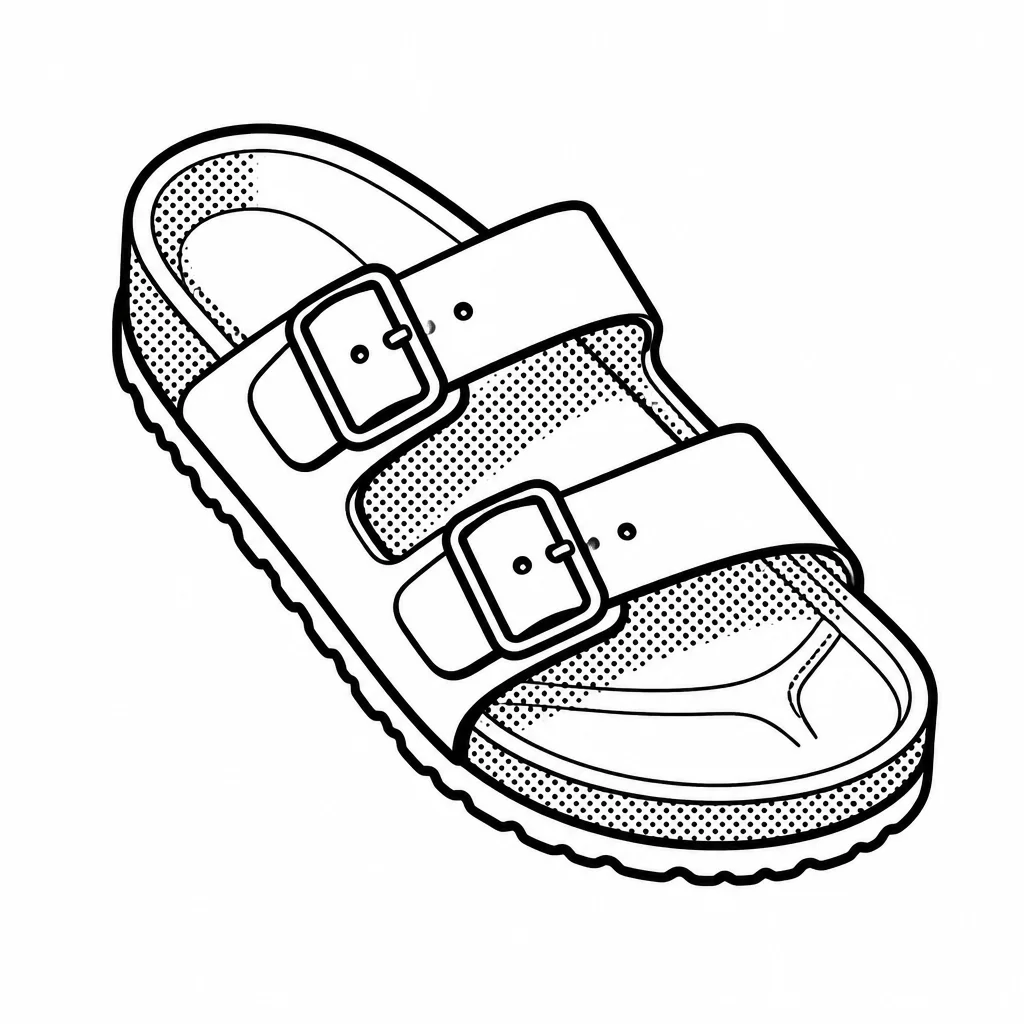
The company is old-fashioned in the best sense: its roots go back to 1774 in Germany, when the Birkenstock family was in the shoemaking trade. For most of its life this was a family business making comfortable, slightly orthopedic footwear. The modern company was controlled by the Birkenstock family until 2021, when the private equity firm L Catterton took a majority stake, and the company listed on the New York Stock Exchange in 2023. Its legal home is now the UK, though the shoes are still designed and largely made in Germany. The business makes money on volume and price. Sandals are cheap enough to own several pairs and expensive enough to carry real margins. Birkenstock has also pushed hard into closed-toe shoes and its own retail stores, which earn more per pair than wholesale. Skincare is a small side bet on the idea that people who care about their feet might care about the rest of their body too. Its moat is a mix of brand and manufacturing. The footbed is protected by patents and made in-house, and the brand has crossed from crunchy granola into fashion, helped by designer collaborations and celebrity fans. Copycats are a constant annoyance, and the company has spent real money fighting counterfeiters. Growth has been strong: revenue rose about 21% in fiscal 2024 to roughly €1.8 billion, and the company keeps opening stores and expanding in Asia.
The risk is fashion. A sandal brand that suddenly becomes cool can just as suddenly stop being cool, and the company carries debt from its private-equity years. Still, the core product has survived for 250 years by being genuinely comfortable, and that is a hard thing to copy.
Saved answer · last researched 14 Nov 2026