Understand any stock in simple English
Enter a ticker to learn what the company does and how it makes money.
BioArctic AB (publ)
BioArctic develops biological drugs for neurodegenerative diseases such as Alzheimer's and Parkinson's, which are sold to patients and partners around the world.
BioArctic is a Swedish biotech company that develops medicines for brain diseases, especially Alzheimer's and Parkinson's. Its most famous asset is Leqembi, an Alzheimer's drug it developed with its partner Eisai and which is now sold in several countries, with Biogen co-promoting it in the United States. So BioArctic's core business is turning decades of brain research into drugs — and then letting bigger partners handle the expensive late-stage trials, regulatory filings, and global sales.
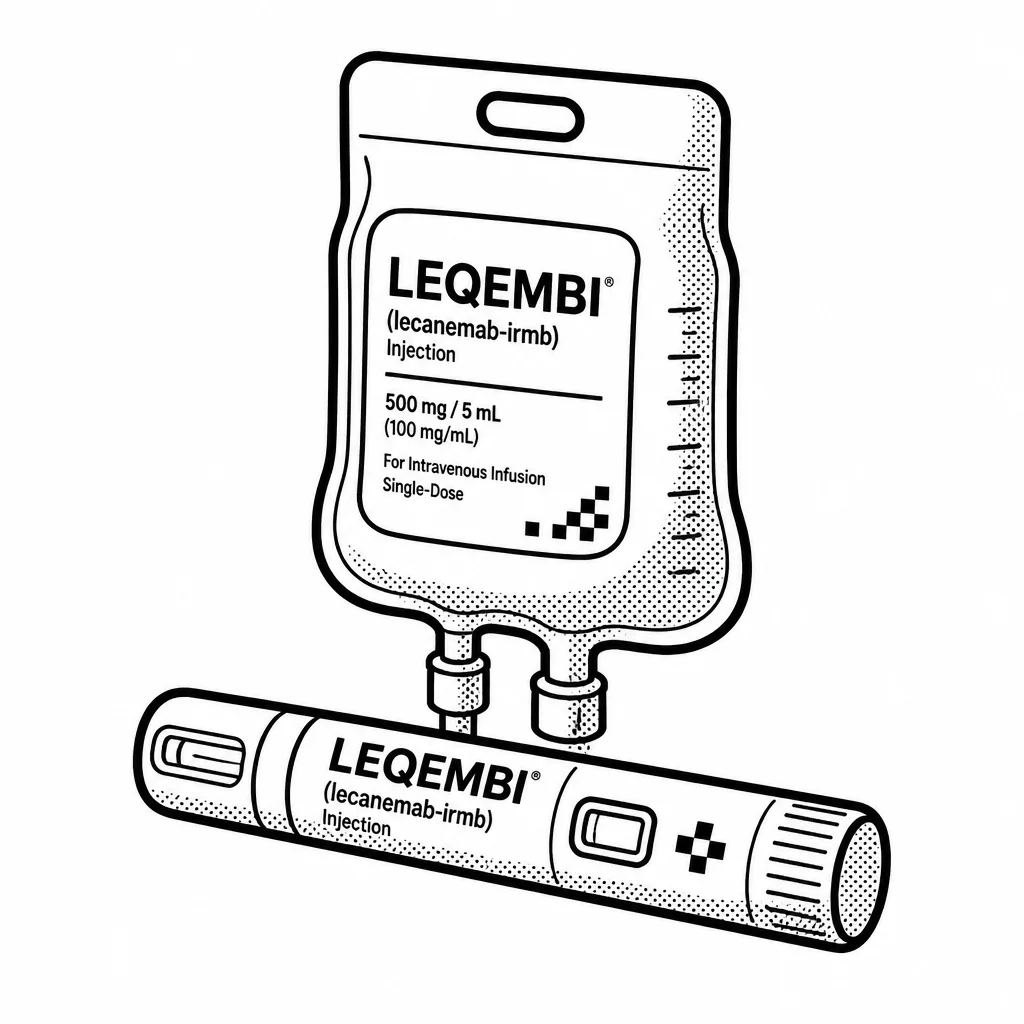
The science traces back to founder Lars Lannfelt, a professor at Uppsala University who studied a particular genetic mutation in a Swedish family that caused early-onset Alzheimer's. That work led to the antibody that became Leqembi, which is designed to clear amyloid plaques from the brain. For BioArctic, the payoff comes as royalties on partner sales, plus milestone payments when the drug hits development and approval goals. It also keeps its own pipeline of earlier-stage projects, including a Parkinson's candidate, and it runs a small contract research arm that does lab work for other companies. The obvious catch is that BioArctic is a royalty business riding on a partner's commercial success. It does not control the price, the marketing, or the pace of adoption of Leqembi, and uptake has been slow because the drug requires regular infusions, genetic testing for certain risks, and careful monitoring. Reimbursement and diagnosis bottlenecks in the US and Europe matter as much to BioArctic's revenue as the science does. That makes earnings lumpy and heavily dependent on a handful of partners and programs.
Still, the upside is real: if Leqembi becomes a standard Alzheimer's treatment, BioArctic collects a slice of a very large market without paying for the sales force. The company has also been investing in its own pipeline and manufacturing capabilities, funded by partner cash rather than debt. It is a high-risk, high-reward story typical of biotech — a small company with a big scientific bet, whose fortunes are tied to whether the world's health systems decide that slowing Alzheimer's is worth paying for.
Saved answer · last researched 12 Nov 2026