Understand any stock in simple English
Enter a ticker to learn what the company does and how it makes money.
Befesa S.A.
Befesa recycles hazardous waste from steel and aluminum production, recovering zinc and other materials that mills can reuse.
Befesa is a recycler for the dirty side of the metals industry. Steel mills and aluminum plants generate dusty, salty, metal-laden waste that is expensive and legally tricky to throw away. Befesa takes that waste, runs it through furnaces and treatment plants, and pulls out useful stuff like zinc, salt, and aluminum residues. The mills pay Befesa to handle the waste, and then they buy back the recovered materials. Two customers, one relationship.
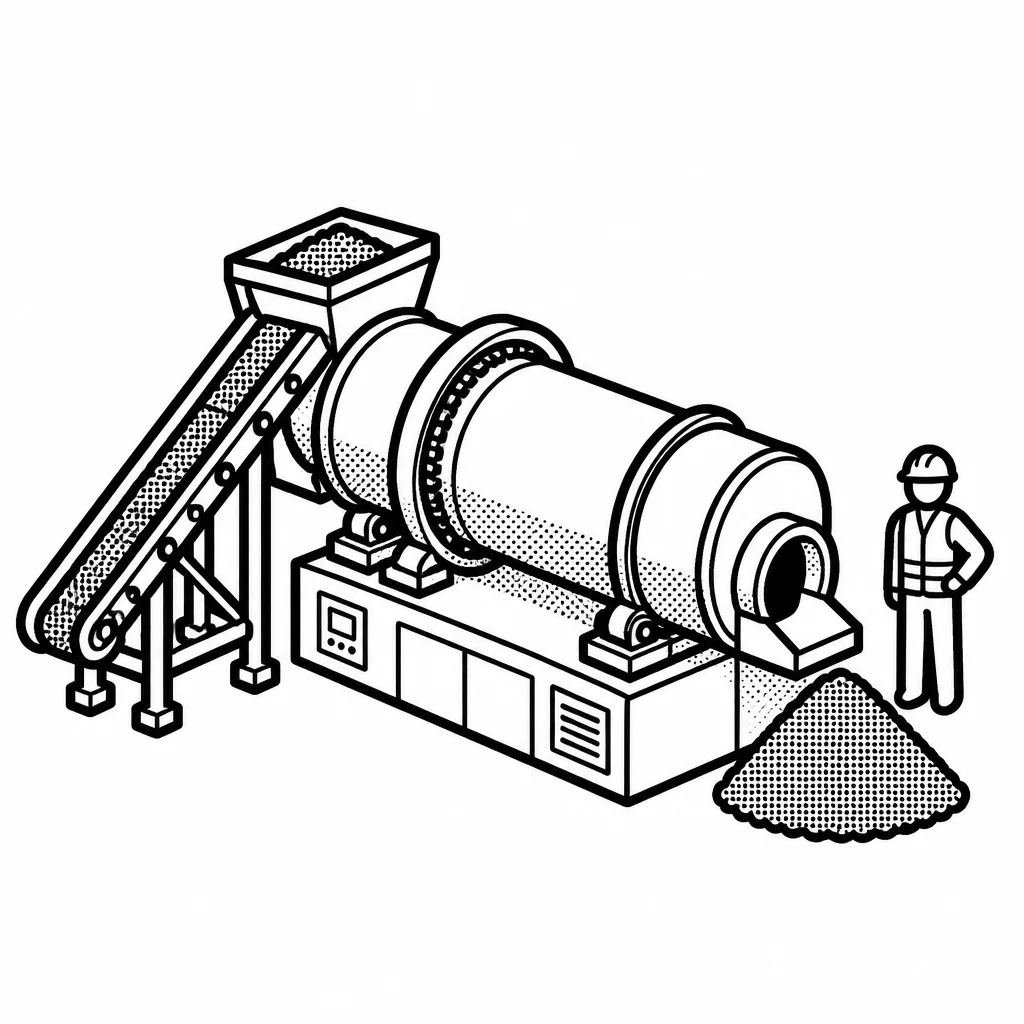
The business rests on a simple truth: somebody has to deal with this waste, and regulators don't let you just dump it. Steel dust in particular is classified as hazardous in many places, so mills need a licensed partner with the right plants and permits. Befesa runs the largest network of these facilities in the world, which gives it scale and a moat of sorts — building a new recycling plant takes years and a pile of capital. The mills are usually located near Befesa's plants, so trucking waste across the continent isn't cheap, and switching to a faraway processor rarely makes sense. The biggest economic wrinkle is zinc. Recovered zinc is a commodity, so its price swings with global markets, and that price is a major driver of Befesa's profits. When zinc is expensive, Befesa earns more; when it's cheap, the recycling business feels the squeeze, especially since they also pay for the energy needed to run the furnaces. It's a bit like owning a restaurant that charges for garbage collection but makes its real money reselling what's inside the trash — great when scrap prices are high, thinner when they fall.
Befesa is not a household name, and it doesn't want to be. It's a quiet industrial utility helping ArcelorMittal and other steelmakers clean up after themselves. The company's growth story is about building new plants and expanding into places like China and the US, where regulation is tightening and old waste piles have nowhere to go. That's the bet: the world keeps making steel, and somebody keeps having to clean up.
Saved answer · last researched 12 Nov 2026