Understand any stock in simple English
Enter a ticker to learn what the company does and how it makes money.
Bell Food Group AG
Bell Food Group turns animals into meat and makes ready-to-eat convenience foods, selling them to supermarkets, restaurants, and food companies across Switzerland and Europe.
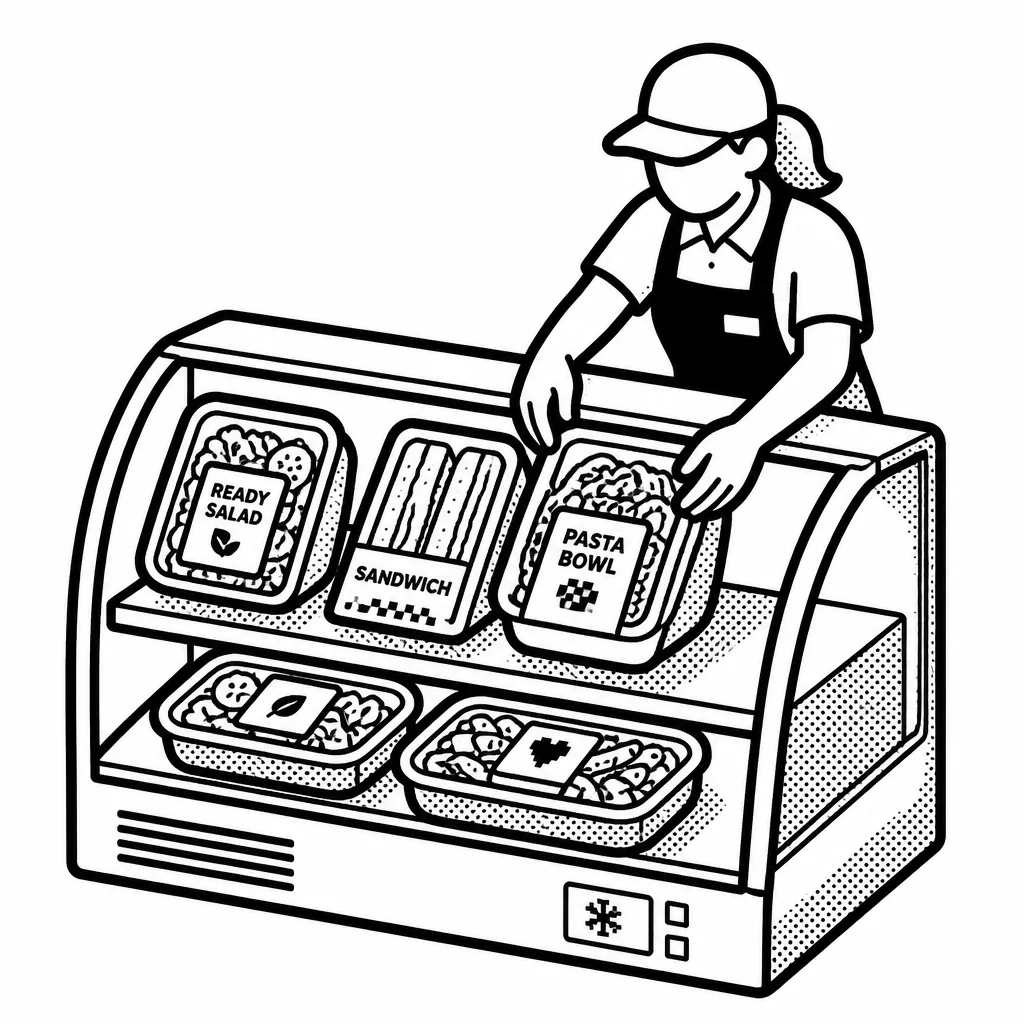
Bell Food Group is one of Europe's big meat processors, and its home base is Switzerland, where it is the clear market leader. It buys livestock and raw meat, cuts and cures it, packs it, and ships it to supermarkets, restaurants, canteens, and other food companies. Alongside the classic butcher side — sausages, cold cuts, mince, and fresh meat — it runs a sizable convenience business that makes ready meals, sandwiches, salads, and snack products. So it sits on both ends of the supermarket: the raw ingredients people cook at home and the grab-and-go food they eat on the run.
The business earns money on thin margins and high volume. Meat processing is a low-margin, scale game: you make a few cents per pack, so you need huge throughput, efficient plants, and tight control of waste and logistics to make it work. Bell's real edge is its grip on Swiss retail shelves and its sprawling distribution network — fresh meat has to move fast and cold, and getting that right every day is harder than it sounds. Customers choose it because it reliably delivers safe, consistent product in the volumes supermarkets demand. Beyond Switzerland, Bell has expanded into other European countries, including Germany, France, and Poland, largely through acquisitions of local meat and convenience producers. It also runs a food service arm that supplies restaurants and catering, and it has been pushing harder into plant-based and meat-free products as consumer tastes shift — a defensive move, since the meat business faces slow-growing demand and increasing pressure from veggie alternatives, though those new lines are still small next to the core.
Bell is listed on the SIX Swiss Exchange and is majority-owned by the Coop cooperative, a big Swiss retailer, which gives it a stable anchor shareholder but also ties it closely to one huge customer. The company pays a steady dividend and has spent money on modernizing plants and buying rivals to grow outside its mature home market. It is a sturdy, unglamorous business: not a growth story, but a scale-and-efficiency machine that keeps Europe fed.
Saved answer · last researched 14 Nov 2026