Understand any stock in simple English
Enter a ticker to learn what the company does and how it makes money.
Beiersdorf Aktiengesellschaft
Beiersdorf makes and sells skincare products like Nivea and Eucerin, plus Tesa adhesive tapes for homes and factories.
Beiersdorf is a German company that sells two very different things: skin cream and sticky tape. Most people know it through Nivea, the blue tin and white bottle found in bathrooms around the world, along with Eucerin for sensitive skin and La Prairie at the luxury end. Its other half, Tesa, makes adhesive tapes and sticky products that go into cars, electronics, and packaging, mostly sold to businesses rather than shoppers.
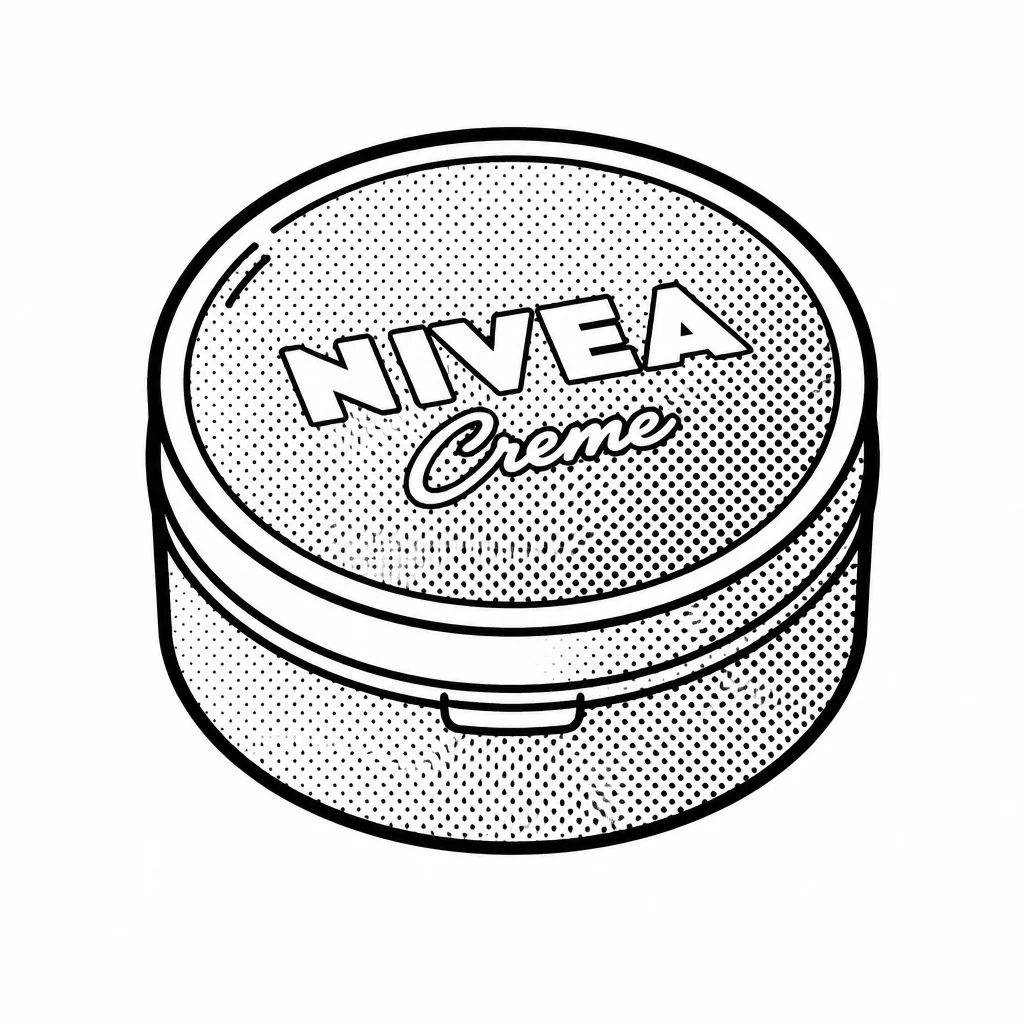
The consumer side is the heart of the company. Beiersdorf doesn't own stores; it sells through supermarkets, pharmacies, and online retailers, and it spends heavily on advertising so that shoppers reach for its brands by name. Nivea is the giant here, a century-old brand with broad global reach, while Eucerin targets people with dry or problem skin and La Prairie sells expensive creams to wealthy customers. The appeal is trust and shelf space: a retailer stocks Nivea because it sells, and a customer buys it because the name feels safe. Tesa is the quieter but sturdy business. It sells tapes and adhesive solutions to industry and to consumers, and it holds up well because factories need reliable supplies and tend not to switch casually. The two halves give Beiersdorf a useful balance: one rides on brand marketing and consumer moods, the other on steady industrial demand. Growth has come from pushing into emerging markets and from premium skincare, where margins are fatter.
Beiersdorf is headquartered in Hamburg, Germany, and has been controlled for generations by the Herz family, which holds a large stake — a structure that keeps it independent but can frustrate outsiders who want faster change. Its main rivals in skincare are big consumer giants like L'Oréal and Unilever, plus Procter & Gamble, all fighting for the same shelf. The company generates plenty of cash, which it uses for dividends, marketing, and buying smaller skincare brands to widen its range. The simple truth: Beiersdorf sells everyday trust — a cream you recognize and a tape you can rely on.
Saved answer · last researched 12 Nov 2026