Understand any stock in simple English
Enter a ticker to learn what the company does and how it makes money.
Black Diamond Group Limited
Black Diamond Group rents and sells modular buildings and workforce housing to energy, industrial, and commercial customers.
Black Diamond Group is a Canadian company that owns a giant fleet of portable buildings and workforce housing, and rents them out to companies that need space fast. Think remote oil camps, construction sites, mining projects, and industrial plants—places where workers need somewhere to sleep, eat, and work, often far from any hotel or office building. It also sells modular buildings outright to customers who want to keep them permanently.
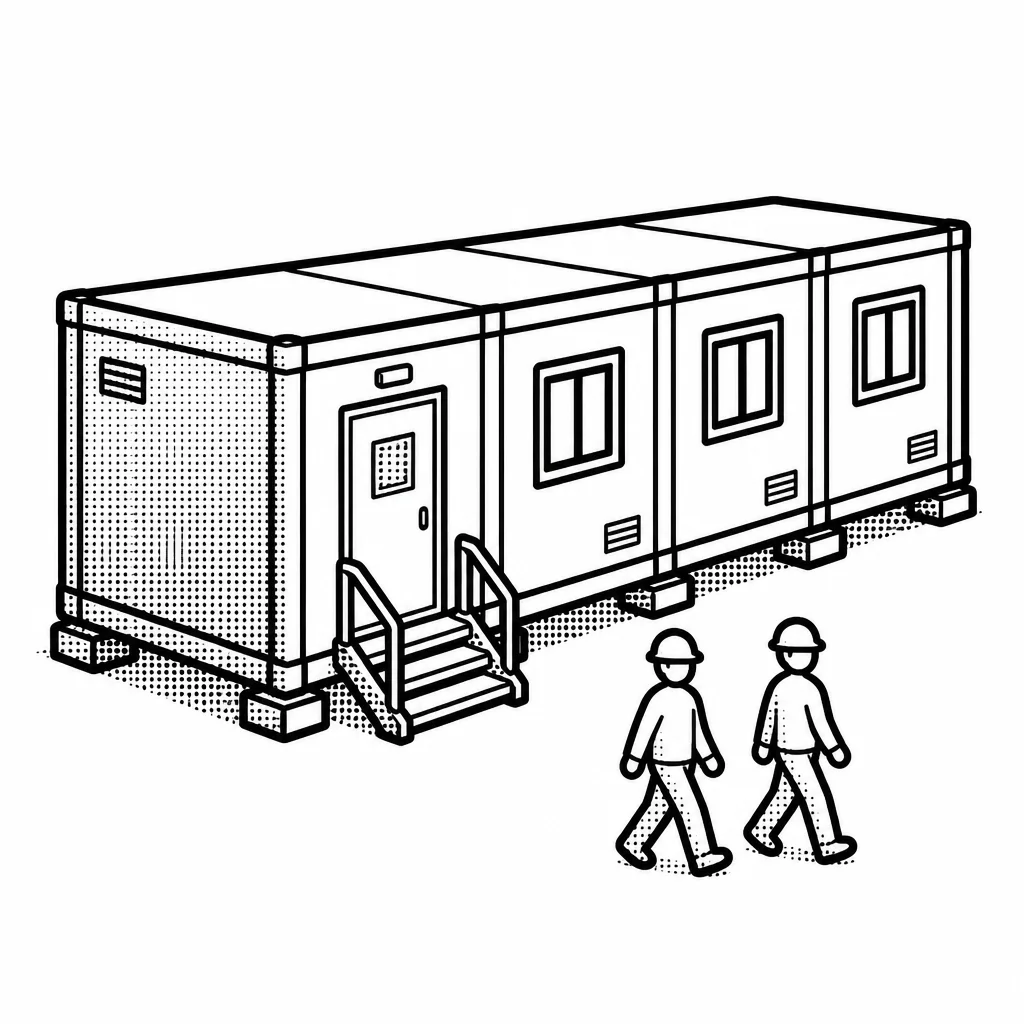
The business splits into two main parts. The modular space side rents and sells things like site offices, classrooms, and medical clinics—movable buildings that can be dropped in, used, and moved again. The workforce accommodation side is the bigger, chunkier business: it provides full camps with bedrooms, kitchens, and laundry for workers on remote projects, often in Western Canada's oil and gas country and in Australia. Companies choose Black Diamond instead of building from scratch because it is faster, cheaper, and the housing can disappear when the project ends. Competitors include Williams Scotsman in modular space and several regional camp providers. The business is deeply tied to the health of the energy and resources industries. When oil prices are high and projects are booming, demand for camps and offices surges. When prices crash, projects get cancelled and Black Diamond's buildings sit idle. That cyclicality is the company's biggest vulnerability, and it has worked to diversify into Australia, the US, and non-energy sectors like education and healthcare to smooth out the bumps. It also has a smaller logistics and services arm that helps move and install the buildings.
Black Diamond was founded in 2003 in Calgary and has grown largely through acquisitions and fleet expansion. It uses its cash flow to pay down debt, buy back shares, and grow its rental fleet. The company has been public on the Toronto Stock Exchange since 2012. Its pitch to investors is simple: own the buildings, rent them out at high rates, and keep the fleet busy. When utilization is high and rental rates rise, the profits can be very good. When utilization falls, the fixed costs of owning all those buildings hurt.
Saved answer · last researched 15 Nov 2026