Understand any stock in simple English
Enter a ticker to learn what the company does and how it makes money.
Bangkok Bank Public Company Limited
Bangkok Bank takes deposits from savers and lends that money out to people and businesses, while also moving money around the world for its customers.
Bangkok Bank is one of Thailand's biggest banks, the kind of place where ordinary people keep their savings and where companies go to borrow cash for factories, shops, and expansion. It collects deposits, hands out loans, and sits at the center of everyday money life for millions of customers. It's the country's largest bank by assets, so when people think of a Thai bank, this is often the one that comes to mind.
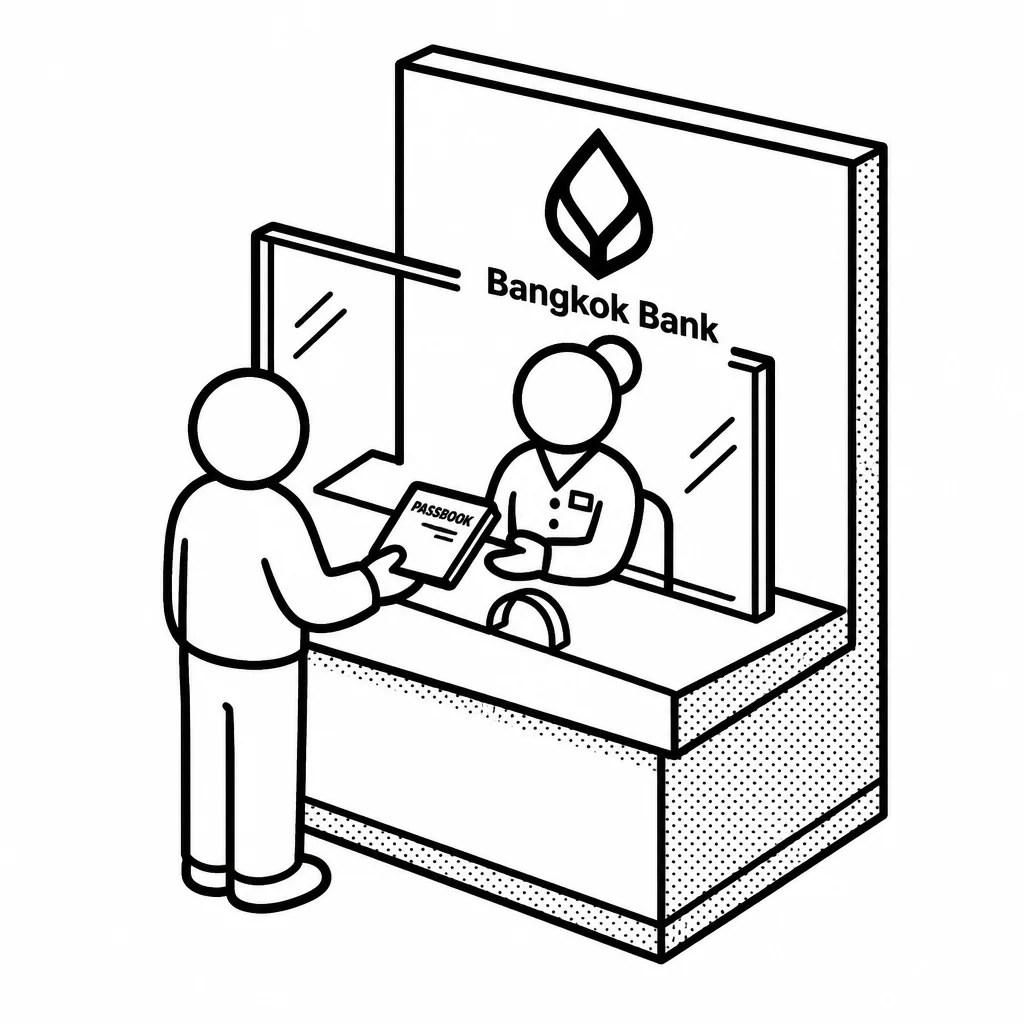
Its business is split between retail banking — savings accounts, home loans, credit cards — and a large corporate and business banking arm that serves everything from small shops to huge listed companies. The bank also has a strong trade finance and remittance business, which is the plumbing that moves money for exporters, importers, and Thai workers sending pay home from abroad. Those international connections, especially across Southeast Asia and into China, are a big part of why companies pick it over smaller local rivals. Here's the basic engine: you earn interest on loans at a higher rate than the interest you pay depositors, and the spread between the two is the core profit. Add fees from remittances, trade finance, and card services, and you get a steady, somewhat old-economy business that rises and falls with Thailand's economy. When the economy slows or borrowers struggle, loan losses eat into profits, so the bank has to be careful about who it lends to.
Bangkok Bank is a conservative, dividend-paying institution, and its size and long history have made it a pillar of the Thai financial system. It competes with other big Thai banks like Kasikornbank and Siam Commercial Bank, plus regional players. Its edge is scale, deep relationships with large companies, and cross-border reach — but that also means its fortunes move with Thailand's economy and its politics, which is the real risk you're taking when you own it.
Saved answer · last researched 12 Nov 2026