Understand any stock in simple English
Enter a ticker to learn what the company does and how it makes money.
Banco do Brasil S.A.
Banco do Brasil is a giant Brazilian bank that takes deposits, makes loans, sells insurance, and runs payment and fund services for ordinary people, companies, and the government.
Banco do Brasil is the big, old, state-linked bank that millions of Brazilians use for everyday money: a checking account, a loan to buy a car or a house, a credit card, insurance on the car, and a way to get paid. It serves ordinary retail customers, small and big companies, large wholesale clients, and the public sector all at once, which makes it a bit of a universal bank rather than a specialist.
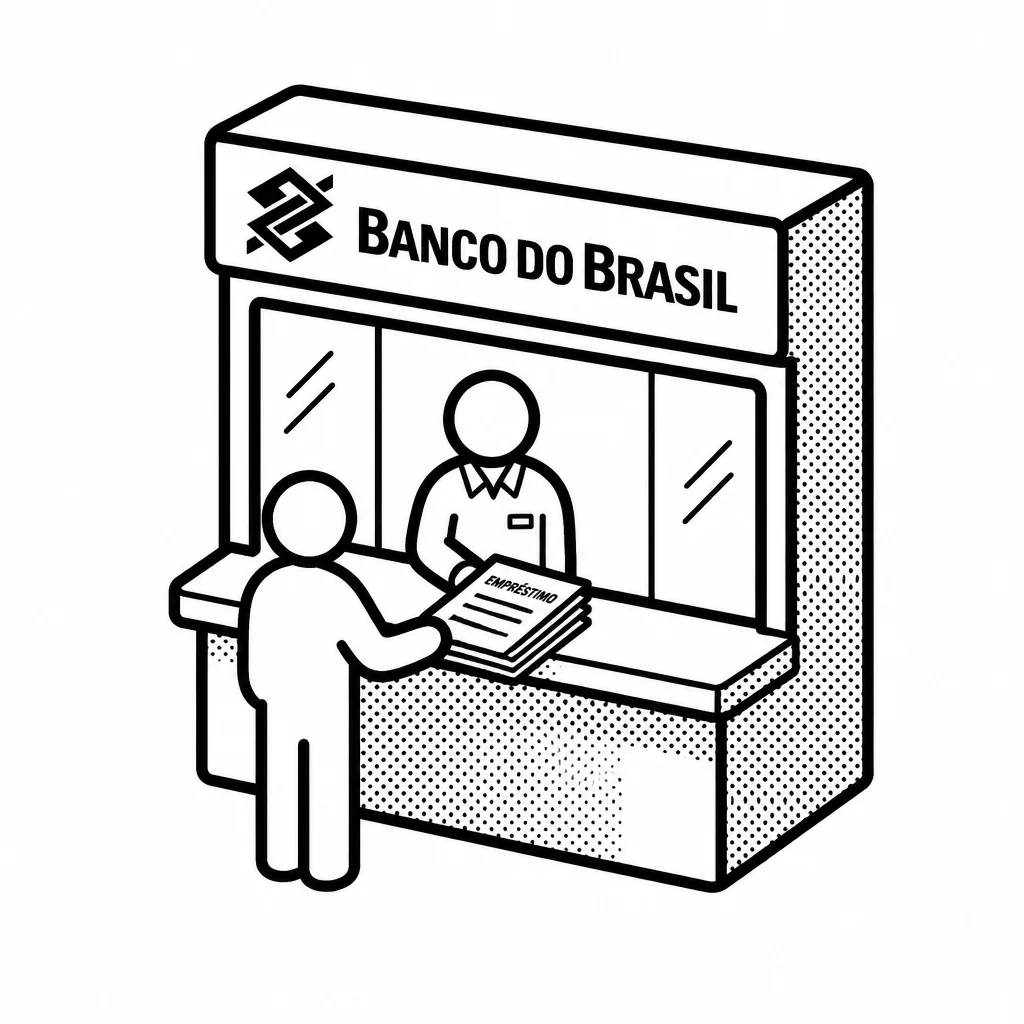
The core of the business is simple banking math. It gathers deposits and other funding, lends that money out as loans, and earns the difference between what it pays savers and what borrowers pay it. On top of that it charges fees for services and sells insurance and fund management, and it runs electronic payment plumbing. It is also a major player in Brazilian farming, lending to agribusiness, a market where it has deep roots and real scale. What makes Banco do Brasil unusual is its ownership. The Brazilian government is the controlling shareholder, so the bank carries a public-policy role alongside the profit motive, which can be both a strength (stability, government business) and a risk (political pressure, heavy exposure to the government's own finances). It competes with private giants like Itaú Unibanco and Banco Bradesco, and with the fast-growing digital challenger Nubank, which has been stealing retail customers with cheap, app-only accounts.
The bank is a big dividend payer, which is a major reason investors own it: it hands back a large share of its profits to shareholders, and the Brazilian government, as the biggest owner, is a big beneficiary. That payout is attractive when times are good, but it also means the bank's results swing with Brazil's economy, interest rates, and loan quality. When borrowers struggle, provisions for bad loans rise and profits shrink, so the dividend is only as reliable as the underlying credit cycle.
Saved answer · last researched 12 Nov 2026