Understand any stock in simple English
Enter a ticker to learn what the company does and how it makes money.
Credicorp Ltd.
Credicorp runs a family of banks, insurers, and pension businesses that handle people's money across Peru and a few nearby countries.
Credicorp is Peru's biggest financial group — the company behind Banco de Crédito del Perú, or BCP, the bank where a huge share of Peruvian households and businesses keep their accounts. It also owns an insurance business, a pension fund manager, and a microfinance lender that serves small entrepreneurs. So a typical Peruvian might get paid through a Credicorp bank account, buy a Credicorp insurance policy, and have their retirement savings managed by a Credicorp pension fund, all without ever hearing the name Credicorp.
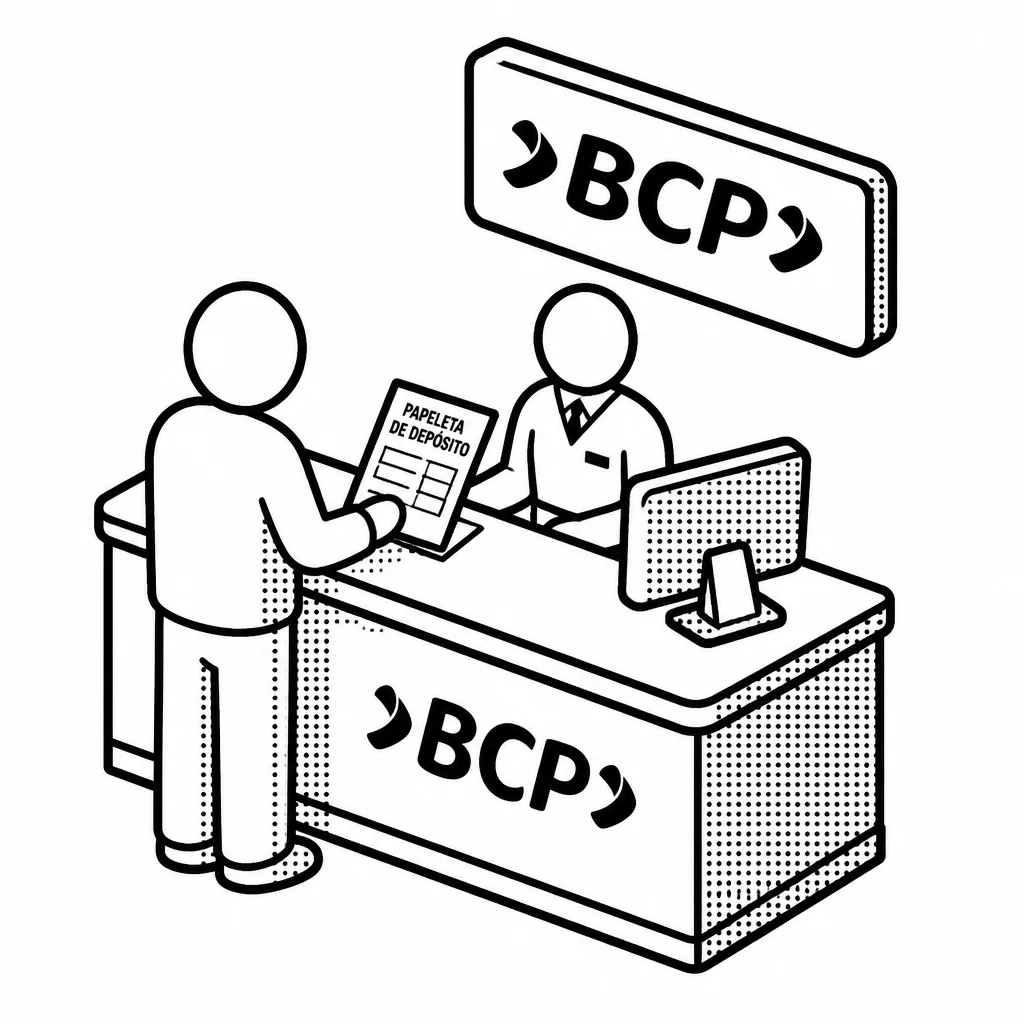
The way it makes money is mostly the old-fashioned way: it takes deposits from savers, lends that money out to people and businesses at a higher rate, and keeps the difference. On top of that it earns fees for services, collects insurance premiums, and charges for managing pension money. Peru's small size and Credicorp's huge share of the market give it a cost advantage and a familiar brand that competitors struggle to match — its closest rivals are other Peruvian banks like BBVA's local arm and Intercorp Financial Services, which runs Interbank. Its growth story is really a bet on Peru. The country's economy has been one of Latin America's steadier performers, and as more Peruvians move into the middle class, they need bank accounts, loans, insurance, and pensions — exactly the things Credicorp sells. The group also has a small presence in Chile, Colombia, and Bolivia, plus a microfinance arm in Peru, but those are sidelines next to the main event at home.
The risks are just as tied to Peru. Political turmoil, mining-driven swings in the economy, and competition from digital banks are all things to watch. Credicorp is also a heavy dividend payer and has bought back shares over the years, which is what a mature, cash-generating bank tends to do. It is, quite simply, a big, well-run machine for moving money around Peru — and collecting a slice along the way.
Saved answer · last researched 14 Nov 2026