Understand any stock in simple English
Enter a ticker to learn what the company does and how it makes money.
B3 S.A. - Brasil, Bolsa, Balcão
B3 runs Brazil's main stock and futures exchange and the plumbing that clears, settles, and safekeeps the trades done there.
B3 is the place where Brazilians buy and sell pieces of companies. It runs the country's main stock exchange and its big derivatives and futures market. If you want to own shares of a Brazilian bank or bet on the future price of soybeans or the real, the trade most likely happens on B3's systems. It also does the unglamorous but essential work after the trade: clearing it, settling the money and securities, holding shares in its depository, and selling market data to everyone who needs prices.
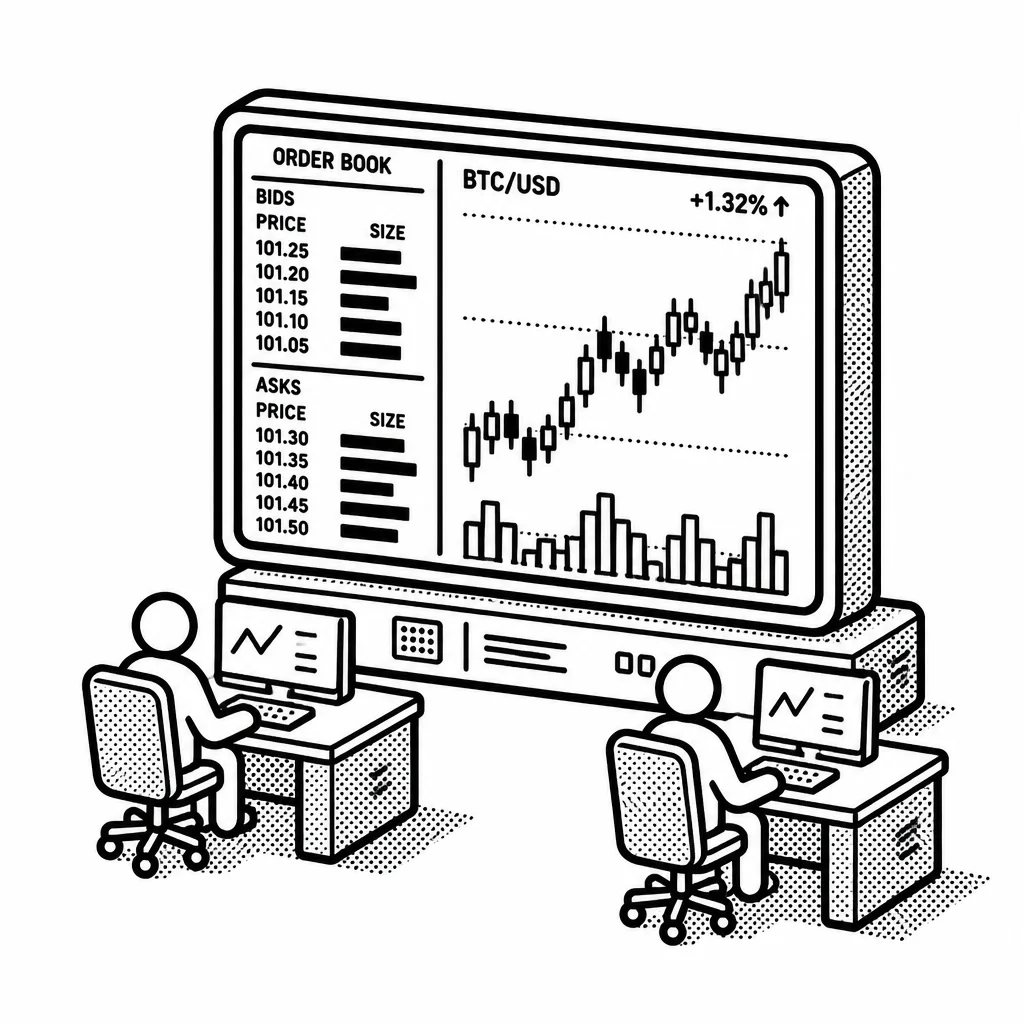
That makes B3 a toll collector on Brazilian finance rather than a gambler. It doesn't take a view on whether stocks go up or down; it earns fees when people trade, when they clear and settle those trades, when they keep securities in custody, and when they buy data and market access. Customers are brokers, banks, asset managers, companies listing shares, and traders. They pay because B3 is the central hub everyone else connects to, and building a rival exchange that people actually trust and use is extremely hard. The exchange business is a natural near-monopoly, which is great when markets are busy and less great when they're quiet. Trading volumes swing with investor mood and interest rates, so B3's revenue breathes with the market cycle. It has also faced a recurring worry: new competitors and regulators pushing for more competition in trading and post-trade services, which could nibble at its grip over time. A deep stock market rally or a surge in retail investing fills its coffers; a slump empties them.
B3 was created in 2017 when the old BM&FBOVESPA merged with Cetip, combining the exchange with a big player in fixed-income and over-the-counter clearing. Like many mature Brazilian companies, it leans on dividends and share buybacks to return cash to investors, and it holds a hefty stake in the technology and data side of the business that keeps growing. Its role is simple to grasp: it is the marketplace, the referee, and the vault for Brazilian capital markets, all in one.
Saved answer · last researched 12 Nov 2026