Understand any stock in simple English
Enter a ticker to learn what the company does and how it makes money.
Aurizon Holdings Limited
Aurizon is an Australian rail freight company that hauls coal, iron ore, and other goods for miners and industry, and owns the rail network in Queensland.
Aurizon is Australia's biggest rail freight company. It runs long trains loaded with coal, iron ore, and all kinds of freight across the country, and in its home state of Queensland it also owns and maintains the actual rail tracks that other train operators must pay to use.
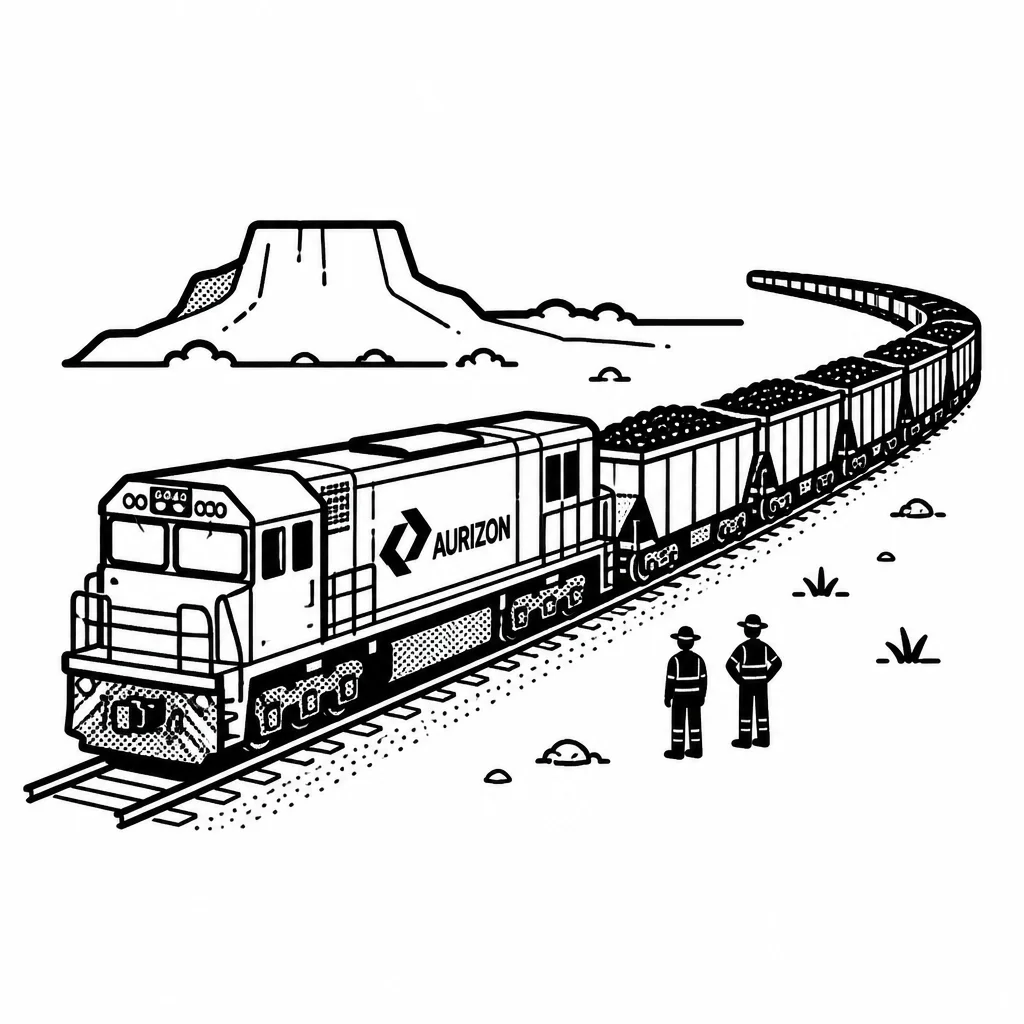
Picture the business in two halves. The first half is haulage: miners and manufacturers pay Aurizon to pull their stuff from mine or factory to port or customer. Coal is the giant piece of this — Aurizon hauls it from Queensland and New South Wales mines to export ports, mostly for Asian steelmakers and power stations. The second half is the network: Aurizon owns the Central Queensland Coal Network, the track that connects those mines to the coast. Every train that runs on it, including trains run by rivals, pays Aurizon for access. Here is the awkward truth about this business: it is deeply tied to coal. As the world tries to burn less of it, that is a real long-term worry, and Aurizon knows it. So the company has been spending to diversify — moving more grain, fertilizer, and general freight, expanding its iron ore haulage in Western Australia, and buying the Australian freight business of Team Global Express-owned... actually, its major acquisition was the container freight operator it bought to push into intermodal freight. It is a slow pivot, and coal still pays most of the bills. The network half is the quietly powerful part. A rail line to a coal mine is like a toll road with no alternative route — miners have little choice but to pay, which makes that revenue steady and predictable. That steadiness is why Aurizon can pay a fat dividend and buy back shares, returning cash to shareholders rather than hoarding it. The catch is regulation: the Queensland regulator decides how much Aurizon may charge for track access, capping its pricing power. So the real risks are coal demand fading, weather shutting down tracks, and regulators deciding the toll is too high.
It is a simple-sounding business with a complicated heart: a coal-hauling giant trying to become a broader logistics company before its main cargo shrinks.
Saved answer · last researched 12 Nov 2026