Understand any stock in simple English
Enter a ticker to learn what the company does and how it makes money.
Aviat Networks, Inc.
Aviat Networks sells wireless gear—mostly microwave radios and private LTE/5G equipment—that telecom operators and private network owners use to move data without wires.
Aviat Networks makes the wireless plumbing that keeps cell towers, utilities, and factories connected. Its main product is microwave radio: a pair of dish-like antennas pointed at each other that beam data through the air from one site to another. Phone companies use these links to carry traffic from a cell tower back to the core network without digging fiber to every tower. That backhaul job is Aviat's bread and butter, and it is where most of the money comes from.
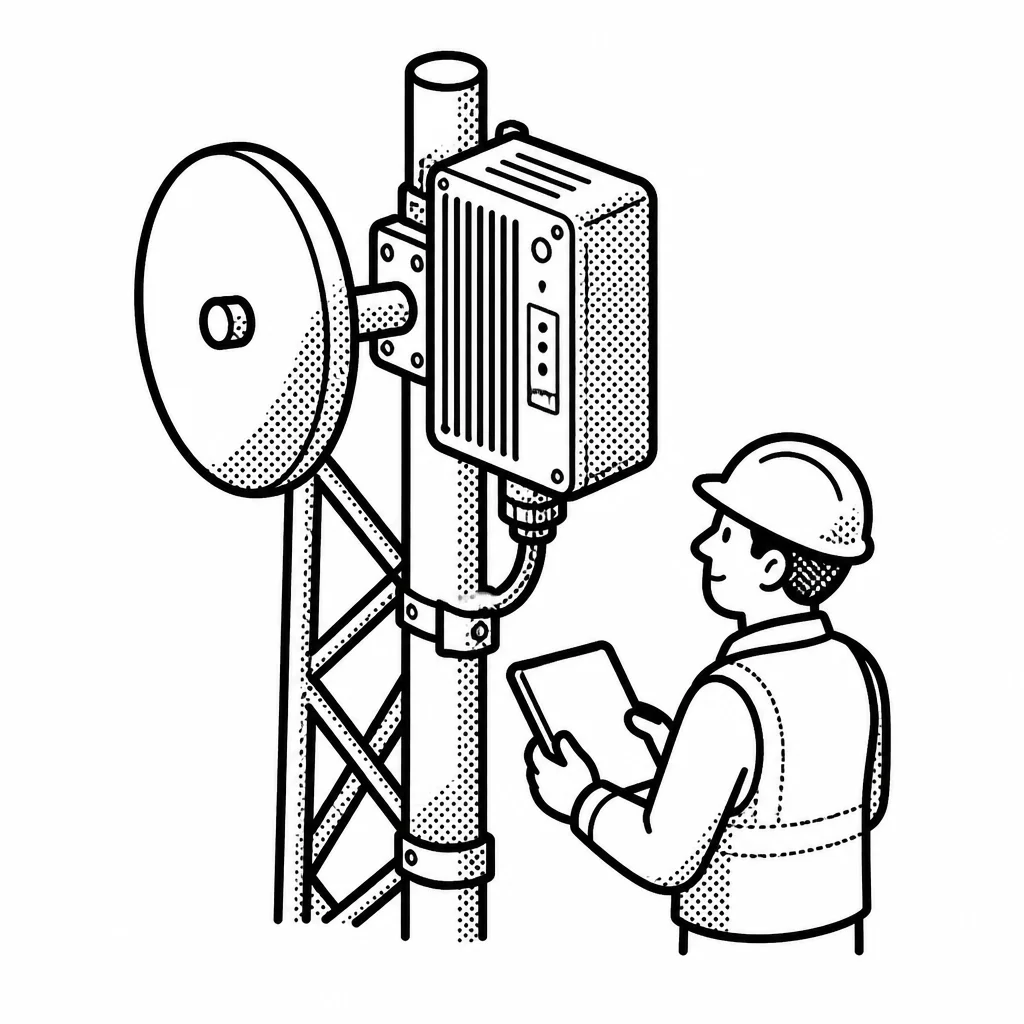
The company also sells private LTE and 5G gear, which lets a port, mine, or power grid run its own small wireless network instead of renting space on a public carrier's. Throw in the software that manages and routes all these links, plus services to install and maintain them, and you have the full picture. Customers are mainly telecom operators and owners of private networks, and they pick Aviat because microwave gear is cheap and fast to deploy compared with trenching fiber, especially in rural areas or places where running cable is hard. Rivals include Nokia, Ericsson, and Ceragon. The business is cyclical and lumpy. Telecom operators cut back on network spending, and Aviat's sales sag; when they upgrade, orders surge. Aviat has been pushing hard into private networks and software to smooth this out, and it has made acquisitions to bulk up that side. Revenue has been modest—roughly a few hundred million dollars a year—which makes Aviat a small player in a market dominated by much bigger equipment vendors.
One thing worth knowing: Aviat has a long, tangled history. It was once part of Harris Corporation, then spun out as Harris Stratex, and later renamed itself Aviat. That corporate DNA explains why it has a broad product line but also a legacy cost structure. The stock is volatile, the customer base is concentrated, and the company's fortunes rise and fall with carrier capital budgets. It is a niche supplier with real technology, but it lives in the shadow of giants.
Saved answer · last researched 14 Nov 2026