Understand any stock in simple English
Enter a ticker to learn what the company does and how it makes money.
Avio S.p.A.
Avio builds rocket launchers and the engines that power them for space and defense customers.
Avio makes rockets and the engines that push them into space. That sounds like something only giant governments do, but Avio is the company Europe relies on for a big part of its space access. Its most famous product is the Vega rocket family, a line of launchers built mainly to carry small and medium satellites into orbit.
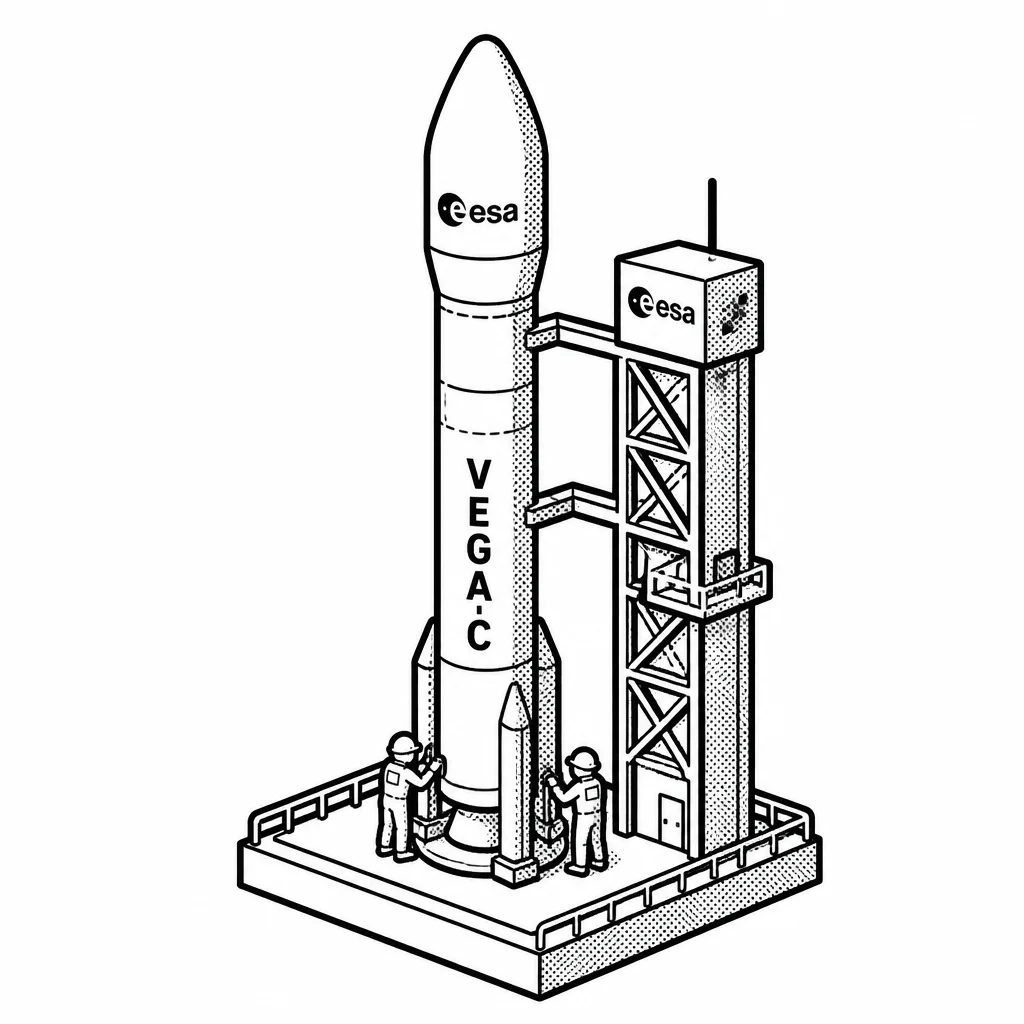
The company sits at the center of Europe's launch business because of one key machine: the solid rocket motor. Solid motors are simpler than liquid-fuel engines—the fuel is basically packed inside like a firework, and once lit, it burns until it's done. That makes them cheap, reliable, and easy to store for long periods, which is exactly what a rocket stage needs. Avio builds these motors and also the liquid-oxygen turbopumps that feed engines on bigger rockets, so it earns money both by running whole launches and by selling critical parts to other rocket builders. Avio's biggest customer is the European Space Agency, which orders launchers and funds development work. The European launcher program is going through a big transition right now. The older Ariane 5 rocket retired, and its replacement, Ariane 6, is built by a separate prime contractor, ArianeGroup—a joint venture of Airbus and Safran—while Avio supplies key propulsion components and continues to develop Vega's next generation. That means Avio's fortunes are tied to European space budgets and the political will to keep independent access to space.
Rocket building is a tough, lumpy business. Launch contracts come in bursts, development programs take years before they pay off, and one failure can delay everything. Avio has also pushed into the defense side, where solid propulsion know-how is valuable for missiles as well as rockets. The bet is that Europe will spend more on both space and defense in the coming years, and that Avio's niche expertise makes it hard to replace. Whether that bet pays off depends less on Avio's engineers than on European governments deciding they want their own rockets—and being willing to pay for them.
Saved answer · last researched 12 Nov 2026