Understand any stock in simple English
Enter a ticker to learn what the company does and how it makes money.
AVI Limited
AVI makes and sells a wide range of branded food, beverage, footwear, apparel, and personal care products, mostly to shoppers in South Africa.
AVI is a South African company that sells everyday branded products people buy at the grocery store and the mall. Its food and beverage brands cover things like instant coffee, tea, biscuits, snacks, and frozen meals, while its other businesses make and sell shoes, clothing, and personal care items. So one company owns a whole collection of familiar names that show up in different aisles of the shop.
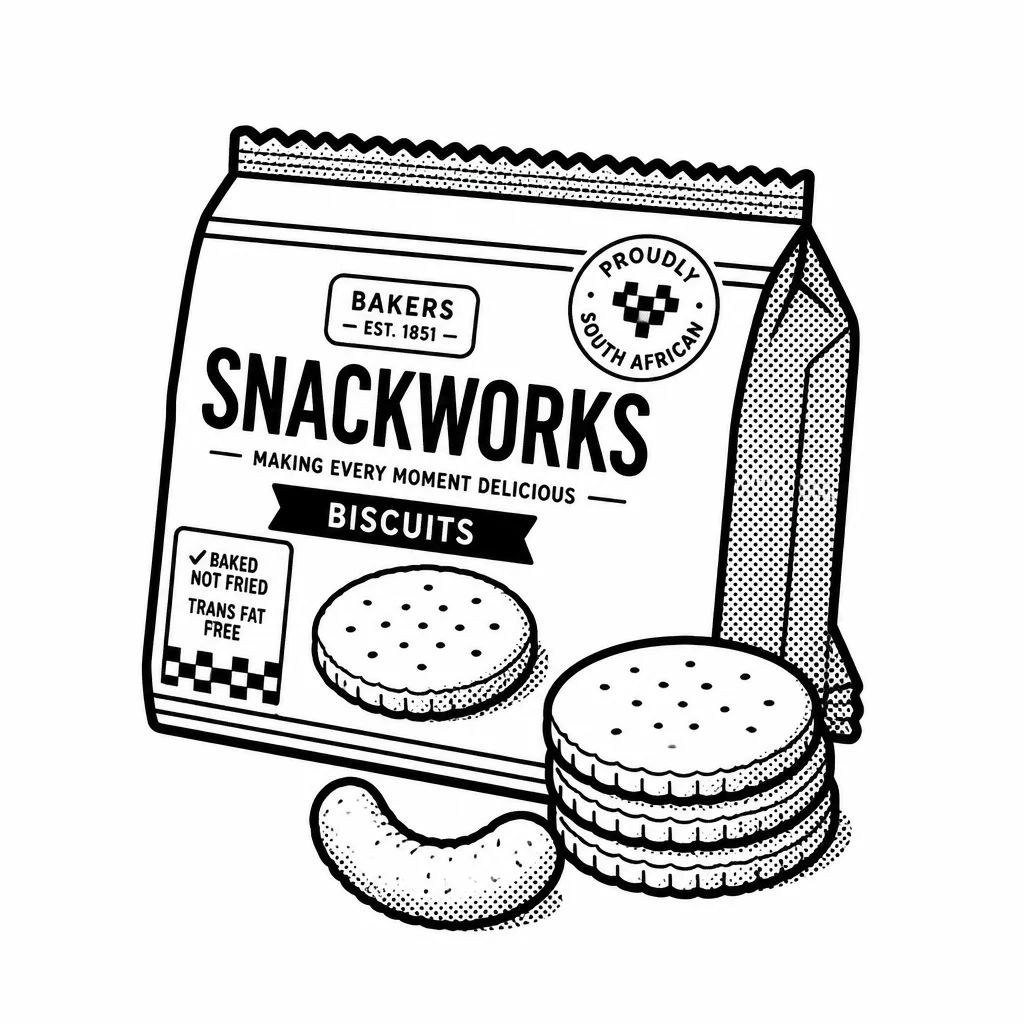
The way it makes money is simple: it builds brands people recognize and trust, then sells large volumes of those products through supermarkets and retailers. Shoppers pick the brand they know, stores stock it because it sells, and AVI keeps the difference between what it costs to make the product and what customers pay. Owning strong brands matters because it lets the company charge a fair price and keep shelf space even when rivals try to undercut it. The footwear and apparel side works a bit differently. Brands like its shoe business sell through their own stores, which gives AVI more control over how the products are presented and lets it keep more of the profit per sale. Personal care rounds out the mix with products used daily, which tend to sell steadily no matter what the economy is doing. Having food, drinks, shoes, clothes, and toiletries under one roof spreads the risk, because when shoppers cut back on one category they may still spend on another.
AVI has been around for a long time and built its reputation by buying and growing well-known local brands, then running them carefully. The company is headquartered in Johannesburg, which keeps it close to South Africa's big retail chains and its main customer base. Its biggest challenge is that it depends heavily on South African shoppers, so a weak local economy, high unemployment, or shoppers trading down to cheaper store brands can squeeze sales. It also faces competition from both big local rivals and cheap imports. Still, a portfolio of trusted everyday brands is a durable thing to own, because people keep buying coffee, shoes, and soap even in tough times.
Saved answer · last researched 12 Nov 2026