Understand any stock in simple English
Enter a ticker to learn what the company does and how it makes money.
Avation PLC
Avation buys commercial airplanes and leases them to airlines around the world, collecting rent for years and then selling the planes later.
Avation is an aircraft leasing company. It owns a fleet of commercial passenger planes — both jets and turboprops — and rents them out to airlines in Europe, the Asia-Pacific, and the Americas. The airlines get planes without having to pay the full purchase price upfront, and Avation collects monthly rent for years. That is the core of the business: it is a landlord, but the apartments have wings and fly at 500 miles per hour.
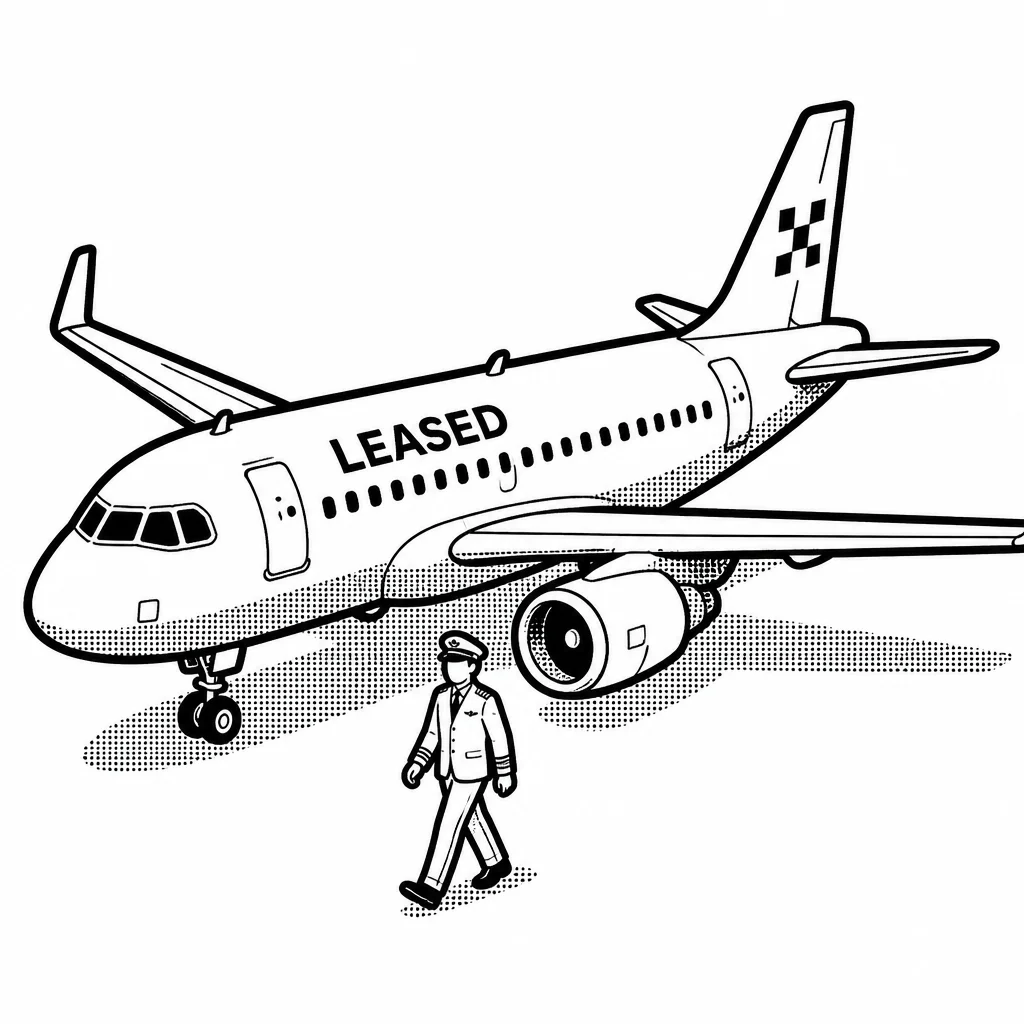
The money works like this. Avation borrows most of the cost of a plane, puts in some of its own cash, then leases the aircraft on multi-year contracts, often seven to ten years. The rent must cover its loan payments plus a spread, and at the end it sells the plane and keeps whatever is left after repaying debt. So the business is really a lending business wearing an aviation costume: Avation's real skill is judging which airlines will still be around to pay rent in year eight, and what a 12-year-old aircraft will be worth when the lease ends. Its customers are airlines that want fleet flexibility without committing capital — smaller carriers, new entrants, and airlines in fast-growing markets often can't get cheap financing on their own, so a lessor like Avation bridges the gap. Avation competes with giants like AerCap and Air Lease, and with banks and export credit agencies that finance planes directly. Its edge is niche: it will take deals on older planes and smaller airlines that the biggest lessors find too small or too risky, and it has deep expertise in turboprops, the propeller planes that serve short regional routes.
The risks are real. Avation's fate is tied to its airlines — when a customer like Virgin Australia went bankrupt in 2020, it had to fight to get its planes back and re-lease them. Its debt levels are high, as they are for all lessors, so rising interest rates squeeze the spread between what it pays to borrow and what it collects in rent. That combination of thin margins and concentrated customer risk is why the stock trades at a discount to the value of its fleet, and why management has spent recent years selling older planes, paying down debt, and buying back shares — a bet that the fleet is worth more than the market thinks.
Saved answer · last researched 15 Nov 2026