Understand any stock in simple English
Enter a ticker to learn what the company does and how it makes money.
Autoneum Holding AG
Autoneum makes the parts that keep car cabins quiet and comfortable by managing sound and heat.
Autoneum makes the parts in a car you never see but always hear — or rather, don't hear. The Swiss company builds acoustic and thermal management systems for passenger cars and commercial vehicles: the sound-absorbing mats under the carpet, the heat shields near the exhaust, the insulation that keeps engine noise out of the cabin and keeps the cabin warm or cool. Car manufacturers buy these parts and fit them into their vehicles, and Autoneum supplies them from factories spread across Europe, the Americas, Asia, and Africa, right next to the assembly lines they serve.
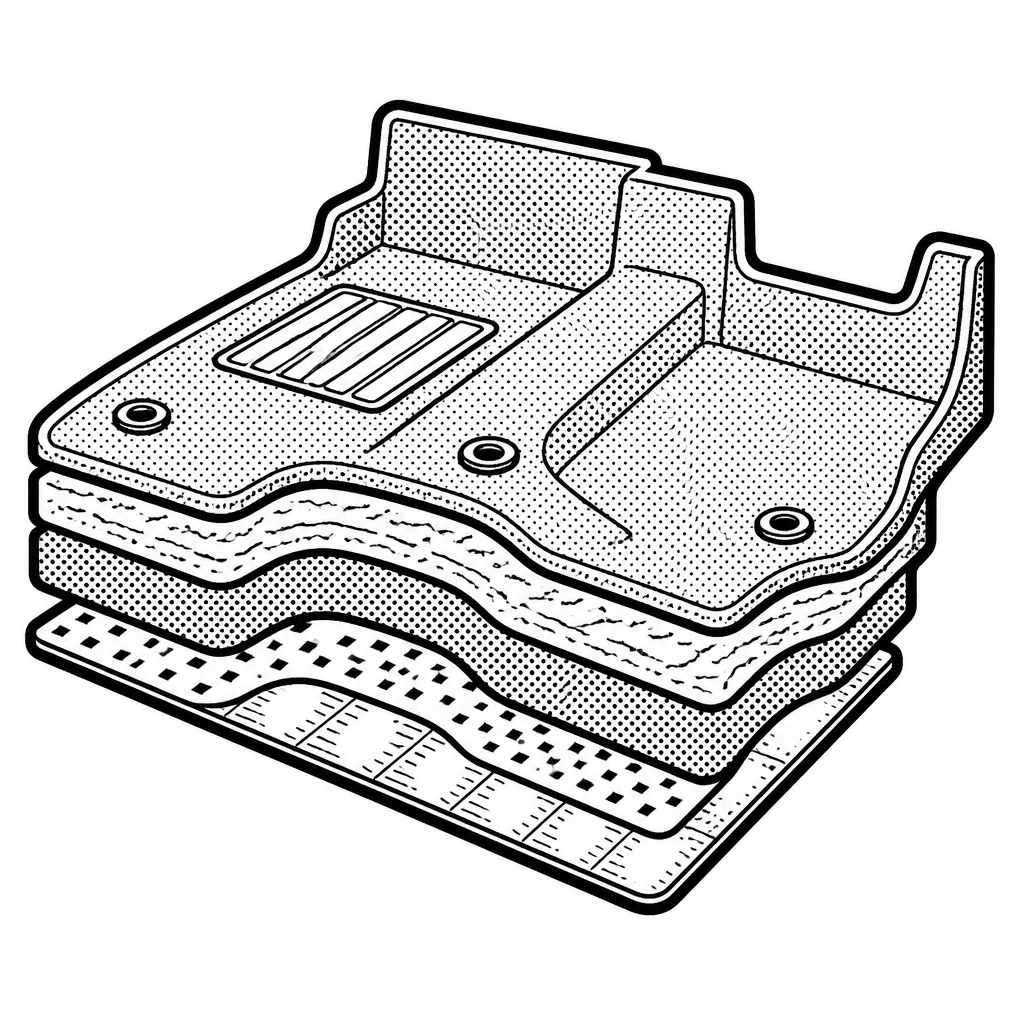
The business runs on two things: winning the contract for a new car model and then supplying that model for years. When a carmaker designs a new vehicle, it picks suppliers early, and those suppliers typically hold the work for the life of the model — often five to seven years. That gives Autoneum a sticky revenue base, but it also means the company rises and falls with global car production. When automakers build fewer cars, Autoneum ships fewer parts. When they build more, especially in the regions where Autoneum is strong, the company benefits. Autoneum has pushed hard into lightweight parts and electric vehicles. Electric cars are quieter in some ways but create new noise problems — wind and tire noise become more noticeable without an engine to mask them — so automakers need better sound insulation. The company has also invested in parts made from recycled and renewable materials, pitching sustainability as a selling point to carmakers under pressure to cut their environmental footprint.
The car-parts supply business is brutally competitive and capital-hungry. Autoneum competes with large rivals and constantly has to invest in new plants and tooling to stay on new model programs. Its profits depend on keeping factories full and squeezing costs out of a low-margin manufacturing operation. It pays a dividend and has worked to strengthen its balance sheet, but the real test is whether it can keep winning contracts as the industry shifts toward electric vehicles and as car production moves around the world.
Saved answer · last researched 15 Nov 2026