Understand any stock in simple English
Enter a ticker to learn what the company does and how it makes money.
Autolus Therapeutics plc
Autolus develops engineered T-cell therapies that reprogram a patient's own immune cells to fight cancer and autoimmune diseases.
Autolus is a clinical-stage biotech that engineers a patient's own immune cells into cancer fighters. Its main technology, called AUT01 or obecabtagene autoleucel (obe-cel), takes a patient's T cells — the soldier cells of the immune system — and reprograms them with a new receptor so they can hunt down and kill cancerous B cells. This is the same basic idea behind the famous CAR-T therapies that have revolutionized treatment for certain blood cancers. Autolus is trying to do it better: its engineered cells are designed to bind more tightly, stay active longer, and cause fewer dangerous side effects than the first generation of products.
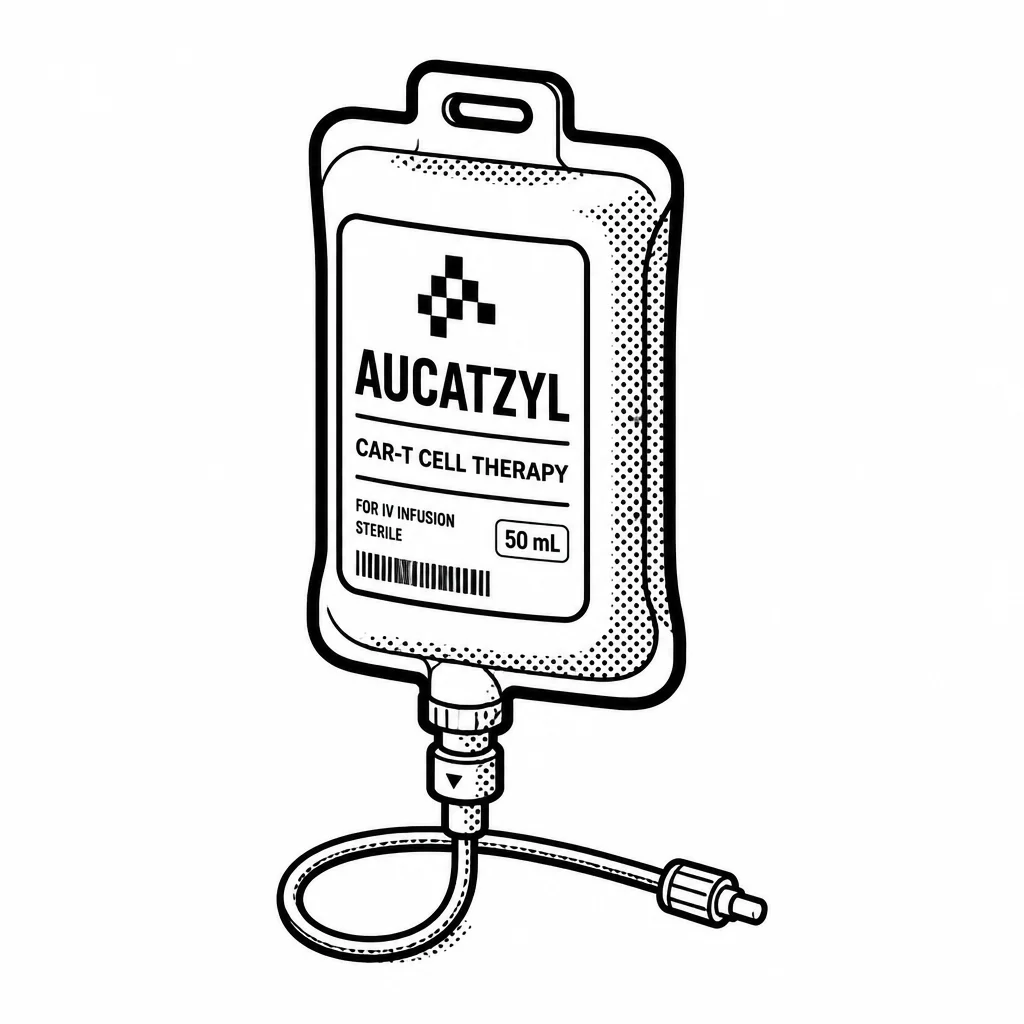
The company's lead program targets acute lymphoblastic leukemia (ALL), a fast-moving blood cancer that hits children and adults. In 2024, the U.S. Food and Drug Administration accepted Autolus's marketing application for obe-cel in adult ALL, putting the company on the doorstep of its first commercial approval. That matters enormously because Autolus has no product revenue yet — it is burning cash to fund trials and build manufacturing. A first approval would turn it from a science project into a real business that sells treatments. Autolus makes its therapies at a facility in London, which is unusual for a small biotech; most outsource manufacturing. That control helps it manage the painfully complex logistics of CAR-T, where a patient's cells are collected, shipped, engineered, and returned within weeks. The company's headquarters and research base are in London, and it listed on NASDAQ in 2018.
The competitive landscape is fierce. Gilead Sciences owns Yescarta and Novartis sells Kymriah, the two dominant CAR-T products already approved for blood cancers. Bristol Myers Squibb and Johnson & Johnson also sell competing cell therapies. Autolus's pitch is that its cells are safer and more effective — but it must prove that in trials and then convince hospitals to adopt a new product. The company is also exploring autoimmune diseases, where resetting a malfunctioning immune system with engineered cells could open a far larger market than cancer alone. Until then, Autolus survives on cash from investors and partners, and its future hinges on regulatory approval and commercial execution.
Saved answer · last researched 16 Nov 2026