Understand any stock in simple English
Enter a ticker to learn what the company does and how it makes money.
Auren Energia S.A.
Auren Energia generates and sells electricity in Brazil, mostly from hydro, wind, and solar plants, and trades power in the open market.
Auren Energia is one of Brazil's bigger power producers, a company that makes electricity from rivers, wind, and sunshine and then sells that electricity to the grid and to big customers. It is the kind of business most people never notice, but it sits underneath everyday life: the lights, the factories, the air conditioners. Its main job is straightforward — own power plants, run them well, and sell the output at a price that beats the cost of producing it.
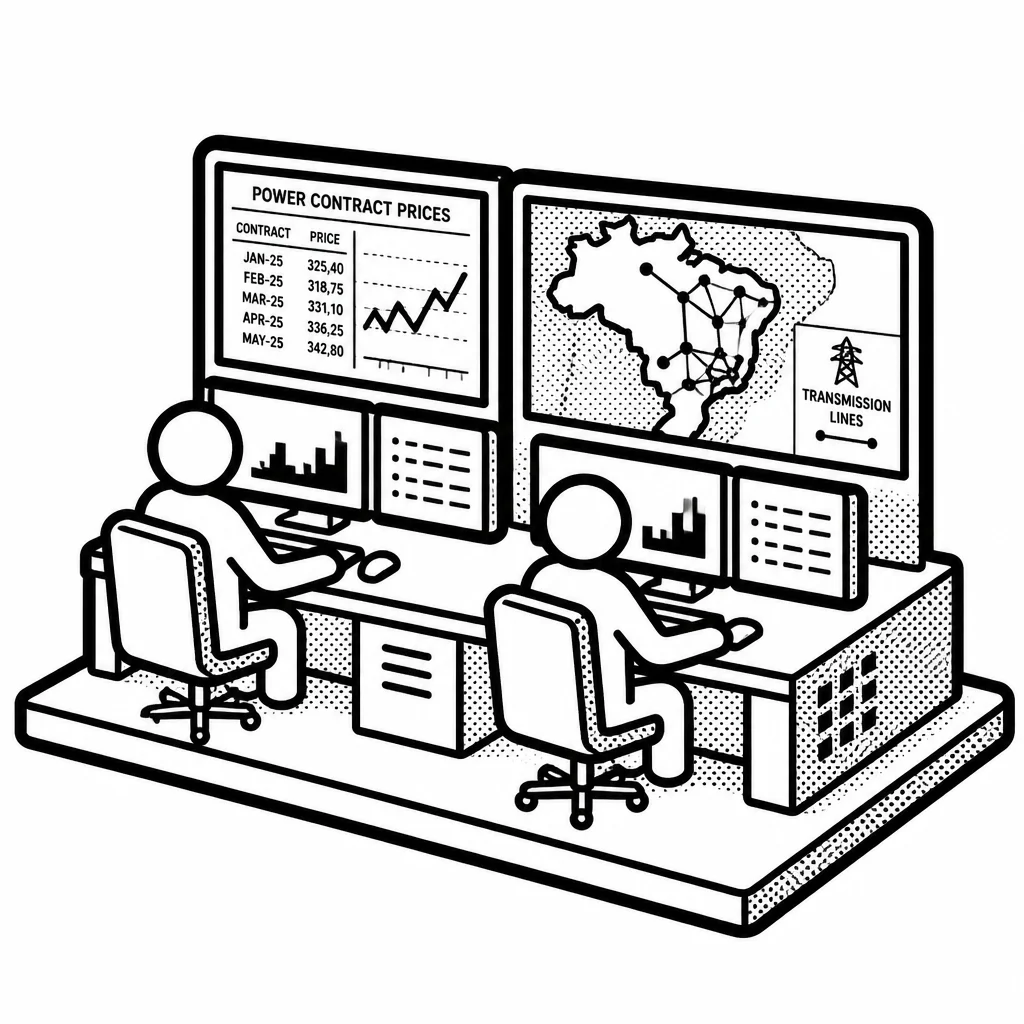
Most of its electricity comes from hydroelectric dams, the backbone of Brazil's power system for decades, plus a growing fleet of wind and solar farms. Auren also has a trading arm that buys and sells energy in Brazil's free market, where large companies negotiate power contracts directly instead of buying from a regulated utility. That trading piece matters because it lets Auren squeeze value out of its own generation and act as a middleman for other players, though it also exposes the company to the wild swings of energy prices. The company arrived at its current shape through a big merger. It was formed when Votorantim Energia and the investment arm of Canada's CPP Investments combined their Brazilian power assets, then folded in the generation business of Engie Brasil in a share swap that closed in 2022. That deal roughly doubled Auren's size and turned it into one of the country's largest private-sector generators, listed on the São Paulo exchange. The name change to Auren came with the rebrand, and the old VTRM label is simply the shell that got the new name.
Auren's fortunes ride on two things it can't fully control: rainfall and power prices. Brazil leans heavily on hydro, so a dry year means dams produce less and prices spike — good for a generator selling into that market, bad for everyone buying. The company has been adding wind and solar to reduce its dependence on the weather, and it uses its free cash to invest in new projects, pay dividends, and keep its debt in check. It is a steady infrastructure business at heart, but a volatile one, because in Brazil the rain and the price of electricity are never boring.
Saved answer · last researched 12 Nov 2026